
Why Mold Encapsulation Becomes Necessary in Cocoa in Coastal Properties
Living in Cocoa offers many advantages—proximity to the coast, warm weather year-round, and a strong real estate market. However, coastal environments also bring persistent moisture challenges that directly impact residential and commercial structures. One of the most common long-term solutions used in these environments is mold encapsulation.
Across nearby coastal and inland communities like Melbourne, Palm Bay, Merritt Island, and Sanford, property owners often discover that standard mold removal alone is not always enough. Due to constant humidity, salt air exposure, and recurring moisture patterns, mold encapsulation becomes an important additional step to protect structural materials and prevent future growth.
Understanding why encapsulation is commonly recommended in coastal properties helps homeowners make informed decisions about long-term moisture control and structural preservation.
What Mold Encapsulation Means in Coastal Structures
Mold encapsulation is a professional process that involves applying a specialized protective coating to structural surfaces after mold removal has been completed.
These coatings are designed to:
- Seal porous materials such as wood and concrete
- Create a moisture-resistant barrier
- Prevent future mold regrowth
- Improve long-term structural durability
Encapsulation does not replace mold removal. Instead, it serves as a preventive layer after proper cleaning and moisture correction.
In Florida’s coastal climate, where humidity levels remain high throughout the year, encapsulation helps stabilize building materials that are repeatedly exposed to moisture.
Why Coastal Properties in Cocoa Face Higher Mold Risk
Coastal environments naturally introduce additional moisture compared to inland regions.
Constant Humidity From Ocean Air
Homes located near the coast experience ongoing exposure to humid air moving inland. Even when windows and doors remain closed, humidity still enters structures through:
- Ventilation systems
- Small structural gaps
- Crawl spaces and attics
Over time, this moisture absorbs into porous materials like wood framing and insulation.
Once materials retain moisture, mold growth becomes more likely.
Salt Air Effects on Building Materials
Salt particles carried in coastal air can gradually weaken building materials. While salt itself does not cause mold, it accelerates material deterioration, allowing moisture to penetrate more easily.
This often affects:
- Exterior siding
- Roofing components
- Structural wood
As materials become more porous, mold risk increases.
Frequent Rain and Storm Exposure
Storm activity in coastal Florida adds additional moisture stress to buildings.
Wind-driven rain can enter through small structural openings, especially during tropical weather systems. Even minor moisture intrusion can trigger mold growth if materials do not dry quickly.
Repeated storm exposure makes long-term protective solutions—such as encapsulation—more necessary.
Common Areas Where Encapsulation Is Needed Most
In Cocoa’s coastal properties, mold encapsulation is frequently applied in areas where humidity remains elevated for long periods.
Crawl Spaces
Crawl spaces are one of the most common locations for encapsulation.
These areas often experience:
- Ground moisture evaporation
- Limited airflow
- Condensation from ductwork
Encapsulation helps protect wooden floor framing and reduces future moisture absorption.
Attics
Warm air rising through the home often carries moisture into attic spaces. Combined with roof temperature changes, condensation can develop on roof decking and structural beams.
Encapsulation helps seal affected surfaces after mold removal.
Garage and Storage Areas
Garages in coastal homes often have fluctuating humidity levels due to frequent door openings and limited climate control.
Encapsulation helps protect exposed framing and drywall surfaces in these environments.
Warning Signs That Mold Encapsulation May Be Necessary
Property owners may not always know when encapsulation is recommended, but certain signs often indicate recurring moisture conditions.
These include:
- Mold returning after previous cleaning
- Persistent musty odors in crawl spaces or attics
- Visible staining on structural wood
- High indoor humidity levels
- Past storm or water damage history
When mold appears repeatedly in the same areas, it usually signals that materials are continuing to absorb moisture.
Encapsulation helps break this cycle.
Why Mold Removal Alone May Not Be Enough in Coastal Homes
Many homeowners assume that once mold is cleaned, the issue is resolved permanently. In coastal Florida, however, moisture exposure is ongoing.
Porous materials such as wood and drywall can retain microscopic mold roots even after cleaning.
Without a protective barrier:
- Moisture re-enters the material
- Mold regrows
- Cleaning becomes repetitive
Encapsulation helps protect these materials from future moisture absorption.
The Role of Moisture Control Before Encapsulation
Encapsulation is only effective when moisture sources are corrected first.
Common moisture corrections include:
- Repairing roof leaks
- Installing vapor barriers in crawl spaces
- Improving attic ventilation
- Addressing HVAC condensation issues
Without correcting moisture, encapsulation coatings may fail prematurely.
This is why professional inspections are essential before beginning the process.
Professional Mold Inspection and Detection Process
Local specialists such as Inspections and More FL typically begin with a full moisture and structural evaluation before recommending encapsulation.
Visual Structural Assessment
Inspectors examine:
- Crawl space framing
- Attic structures
- Interior moisture-prone areas
This helps determine the extent of mold impact.
Moisture Meter Testing
Moisture meters identify damp materials that may not yet show visible damage.
Early detection improves long-term results.
Thermal Imaging
Infrared cameras help locate hidden moisture behind walls or ceilings.
This ensures encapsulation is applied only after all moisture sources are addressed.
Air Quality Evaluation
When needed, airborne particle testing helps confirm indoor environmental conditions.
Mold Encapsulation Process Explained
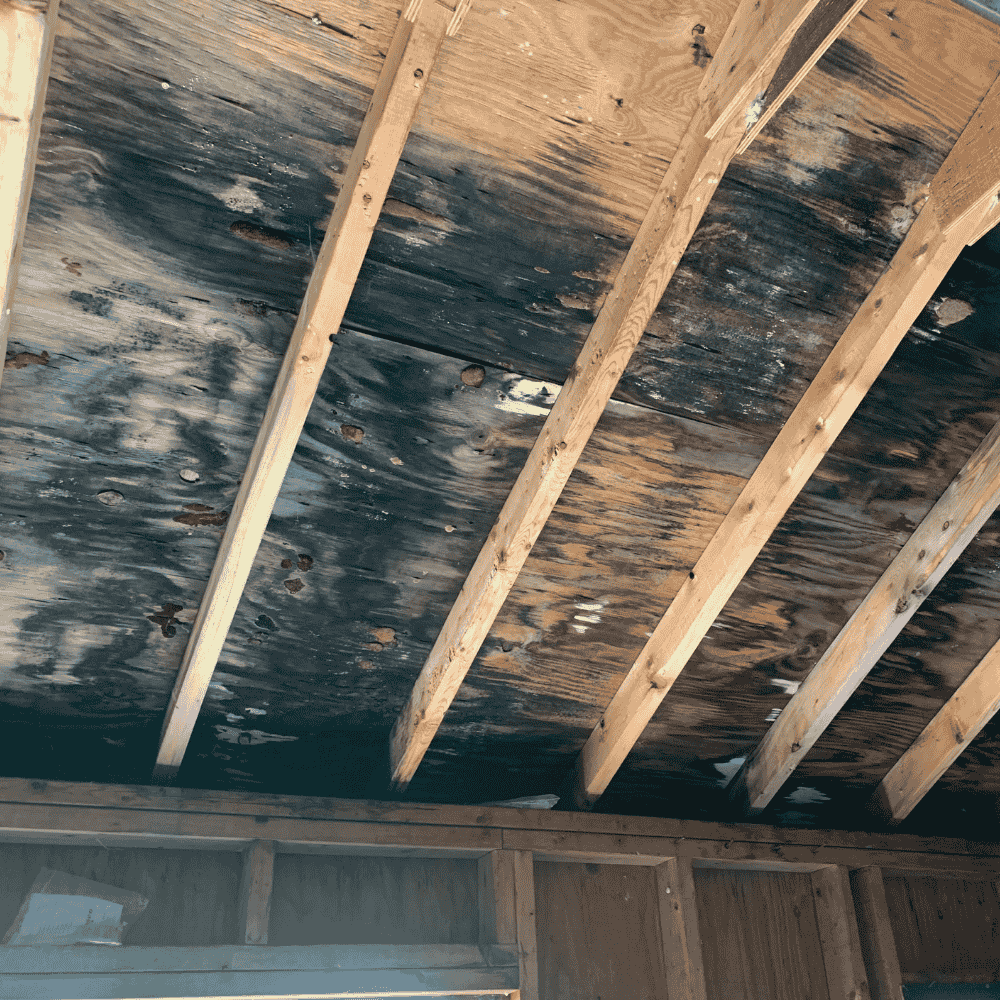
Once mold removal and structural drying are complete, encapsulation begins.
Surface Preparation
All affected areas are cleaned to remove remaining contamination and debris.
Dry surfaces are required before coatings are applied.
Application of Encapsulation Coating
Specialized sealants are applied to structural materials such as:
- Wooden beams
- Subfloor panels
- Concrete surfaces
These coatings create a barrier that reduces moisture absorption.
Vapor Barrier Installation (When Needed)
In crawl spaces, ground vapor barriers are often installed alongside encapsulation.
This prevents soil moisture from rising into structural components.
Dehumidification Setup
In high-humidity areas, dehumidifiers may be installed to maintain stable conditions.
This helps extend the lifespan of encapsulated materials.
Cost Benefits of Mold Encapsulation in Coastal Properties
While encapsulation adds an additional step to remediation, it often reduces long-term maintenance costs.
Preventing Repeated Mold Treatments
Without encapsulation, recurring moisture exposure may require repeated mold removal.
Encapsulation helps reduce these cycles.
Protecting Structural Materials
Long-term moisture exposure can weaken:
- Wooden framing
- Subfloor systems
- Insulation materials
Encapsulation helps preserve structural integrity.
Improving Indoor Air Stability
Sealed materials release fewer airborne particles over time, helping maintain stable indoor air quality.
Prevention Tips for Coastal Homes in Cocoa
Because coastal humidity cannot be eliminated, prevention focuses on moisture control.
Maintain attic ventilation
Proper airflow reduces condensation buildup.
Inspect crawl spaces annually
Hidden moisture often develops below flooring.
Monitor indoor humidity levels
Indoor humidity should ideally stay between 45% and 55%.
Check HVAC systems regularly
Proper drainage and insulation prevent condensation.
Schedule inspections after major storms
Coastal weather often introduces hidden moisture.
Why Local Coastal Experience Matters for Encapsulation
Coastal environments behave differently than inland regions when it comes to mold growth and moisture patterns.
Local professionals understand:
- Salt air exposure effects
- Coastal humidity cycles
- Regional building materials
- Storm-related moisture intrusion patterns
This experience helps ensure encapsulation is applied correctly and only where necessary.
When Property Owners Should Consider Mold Encapsulation
Encapsulation is often recommended when:
- Mold has returned after previous treatment
- The property is located near coastal moisture exposure
- Structural materials show repeated dampness
- Crawl spaces or attics experience ongoing humidity
Early action helps prevent structural deterioration and reduces future remediation needs.
For coastal property owners in Cocoa and surrounding communities, long-term moisture protection is essential. Mold encapsulation—when combined with proper inspection and moisture correction—provides a reliable solution for stabilizing building materials and maintaining healthier indoor environments in Florida’s demanding coastal climate.
