
Why Mold Encapsulation Becomes Necessary in Merritt Island in Coastal Properties
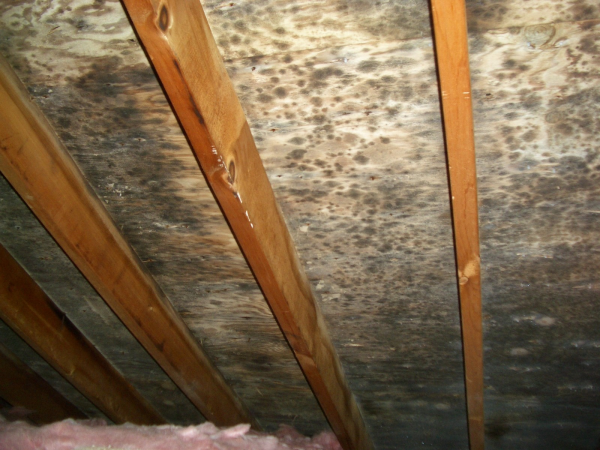
Living in Merritt Island means living close to the water. Coastal air, steady humidity, and storm cycles are simply part of daily life. But in homes throughout Merritt Island — especially older coastal properties — that same environment creates long-term moisture pressure on structural materials.
When mold growth develops on framing, roof decking, or crawl space beams, removal alone is not always enough. In many coastal cases, mold encapsulation becomes a necessary step in protecting the structure long-term.
Encapsulation isn’t cosmetic. It’s a protective strategy used after proper remediation to stabilize surfaces that have been affected by moisture exposure. Let’s take a deeper look at why this solution is often necessary in Merritt Island’s coastal environment.
Why Coastal Properties in Merritt Island Are More Vulnerable
Merritt Island’s location between the Indian River and the Atlantic Ocean creates consistent humidity exposure.
Homes here face:
- Salt-heavy coastal air
- Year-round elevated humidity
- Frequent storm systems
- Wind-driven rain
- High groundwater levels
- Warm temperatures
Salt in coastal air attracts and retains moisture. That moisture settles on surfaces — especially in attics, crawl spaces, and slab edges.
Over time, wood framing and decking absorb humidity repeatedly. Even without major leaks, microbial growth can develop on exposed structural materials.
This repeated moisture cycle makes long-term protection critical.
What Mold Encapsulation Actually Is
Mold encapsulation is the application of a specialized coating to structural materials after proper mold removal and cleaning.
It is used to:
- Seal porous surfaces
- Lock down remaining staining
- Create a protective moisture-resistant barrier
- Help prevent future microbial growth
Encapsulation is never applied over active mold growth.
Before encapsulation:
- The moisture source must be corrected
- Damaged materials must be removed if necessary
- Surfaces must be cleaned and dried
- Moisture levels must be stabilized
Encapsulation is the final protective layer — not a shortcut.
Why Removal Alone Isn’t Always Enough in Coastal Homes
In drier climates, once mold is removed and surfaces are dry, the problem may not return.
In Merritt Island’s coastal properties, the environment is different.
Because humidity remains high:
- Wood framing may reabsorb moisture
- Salt air may continue settling on surfaces
- Attic condensation cycles may repeat
- Crawl spaces may remain damp
Encapsulation adds an extra level of protection against recurring moisture exposure.
It creates a sealed surface that is less susceptible to re-colonization when humidity fluctuates.
Attic Spaces and Roof Decking
Attics in Merritt Island coastal homes are particularly vulnerable.
Common issues include:
- Condensation on roof decking
- Poor attic ventilation
- Wind-driven rain intrusion
- Salt air settling on wood surfaces
Even after mold is removed from attic framing, exposed wood remains porous.
Encapsulation seals those surfaces, reducing the ability of moisture to penetrate and linger.
This is especially helpful in older homes with less advanced ventilation systems.
Crawl Spaces and Subfloor Areas
Coastal moisture doesn’t only affect attics.
Crawl spaces in Merritt Island often experience:
- High humidity
- Limited airflow
- Damp soil conditions
- Vapor intrusion
If mold growth has occurred on floor joists or subflooring, encapsulation helps protect those structural components after remediation.
In coastal environments where humidity rarely drops low for extended periods, this added protection is often necessary.
Slab Foundation and Lower Wall Concerns
Many Merritt Island homes sit directly on slabs.
After prolonged rain or storm activity:
- Soil becomes saturated
- Vapor rises through concrete
- Lower drywall absorbs moisture
- Baseboards swell
When mold growth affects lower wall framing, encapsulation can provide a protective barrier after cleaning.
It helps reduce future moisture absorption in areas that are consistently vulnerable.
The Science Behind Encapsulation in Humid Environments
Encapsulation coatings are designed to:
- Adhere to porous surfaces
- Form a continuous sealed layer
- Resist moisture penetration
- Provide long-term stability
In coastal environments like Merritt Island, moisture is persistent.
Encapsulation reduces the amount of humidity that raw wood framing can absorb.
While it doesn’t eliminate humidity in the air, it reduces how structural materials react to it.
That stabilization protects long-term structural integrity.
Preventing Recurring Mold in Coastal Properties
In many local cases, homeowners experienced repeat mold growth after initial removal because the environment remained humid.
Encapsulation, combined with:
- Proper ventilation
- Dehumidification
- Moisture monitoring
- Source correction
Creates a more durable solution.
It’s not about hiding the problem.
It’s about strengthening the structure against a climate that constantly introduces moisture.
Lessons from Merritt Island Coastal Cases
Common patterns seen in local coastal properties include:
- Repeated attic mold growth after heavy storm seasons
- Crawl space humidity leading to joist contamination
- Slab-edge moisture affecting lower wall framing
- Homes left closed up during humid months
In several cases, mold removal alone solved the immediate problem but growth returned during the next humid cycle.
Encapsulation added long-term protection that reduced recurrence.
Coastal humidity requires layered solutions.
Why DIY Encapsulation Can Fail
Some property owners attempt to paint over mold-affected areas.
This approach often fails because:
- Active mold wasn’t properly removed
- Moisture levels were not stabilized
- Wrong products were used
- Surfaces were not adequately prepared
Encapsulation must follow proper remediation steps.
If moisture remains, mold can grow behind the coating.
Professional moisture detection ensures surfaces are ready before application.
Long-Term Moisture Management in Merritt Island
Encapsulation works best when combined with ongoing moisture control strategies:
- Keeping indoor humidity below 55%
- Improving attic ventilation
- Sealing crawl spaces
- Monitoring slab moisture
- Inspecting roofs after storms
- Maintaining HVAC systems
Coastal living requires consistent humidity awareness.
Encapsulation strengthens structural surfaces, but environmental control supports lasting results.
Why Local Experience Matters
Mold behavior in coastal Florida differs from inland regions.
Professionals familiar with Merritt Island understand:
- Salt air moisture retention
- Storm-season humidity spikes
- Slab vapor intrusion patterns
- Ventilation challenges in older coastal homes
- Construction styles common in Brevard County
Encapsulation decisions must be climate-specific.
Inspections and More FL works with Merritt Island homeowners who need protective strategies designed for Florida’s coastal conditions.
When Mold Encapsulation Becomes Necessary
Encapsulation becomes necessary when:
- Structural wood has been affected by mold
- Moisture sources have been corrected
- Surfaces are properly cleaned and dried
- The environment remains persistently humid
- Long-term protection is required
In Merritt Island’s coastal properties, humidity isn’t temporary.
Mold encapsulation provides an added layer of defense that helps stabilize structural materials against ongoing environmental exposure.
With proper remediation, moisture correction, and strategic encapsulation, coastal homes can remain protected, structurally sound, and resilient — even in Florida’s demanding coastal climate.
