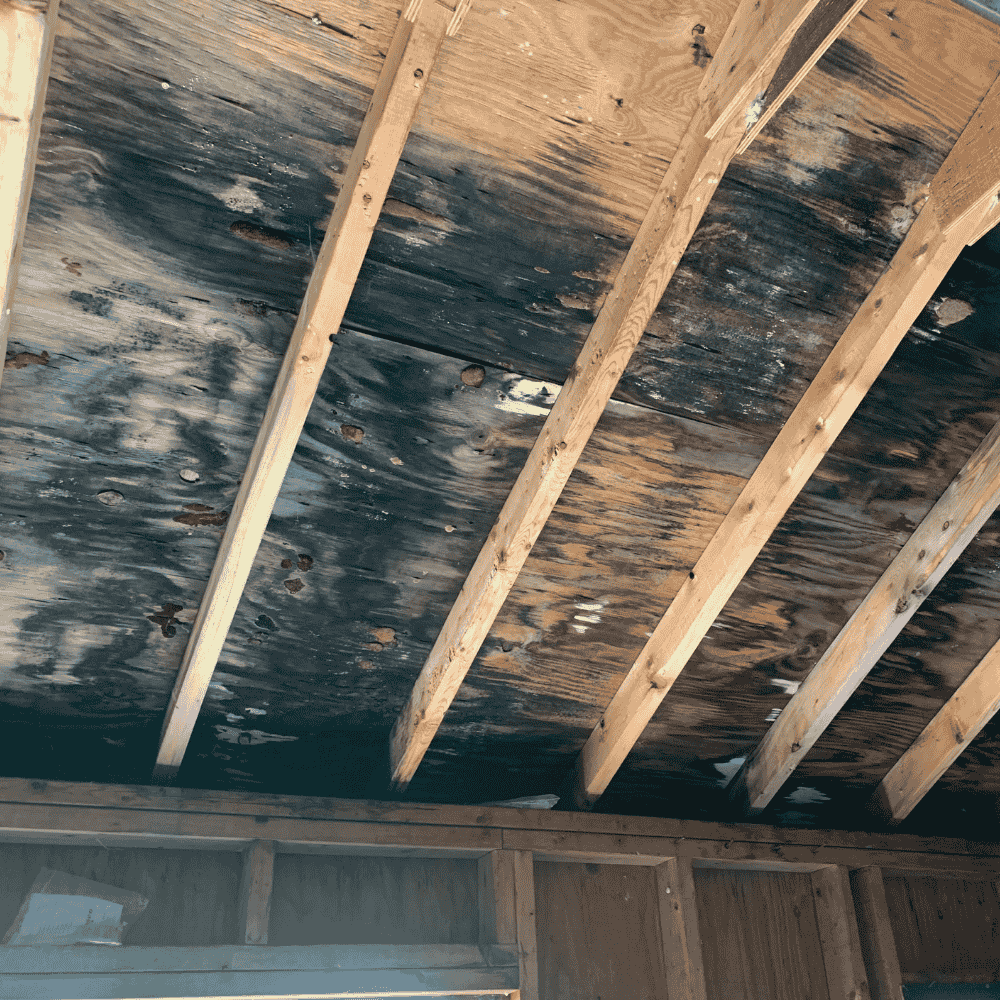
Why Mold Encapsulation Becomes Necessary in Sanford Behind Interior Walls
In Sanford and throughout Central Florida, mold problems rarely stay on the surface. What homeowners see—staining on drywall, a faint musty odor, or bubbling paint—is often only a small part of a larger moisture issue developing behind interior walls.
Because Sanford experiences long humid seasons, frequent rain, and steady air conditioning use, moisture can quietly accumulate inside wall cavities. When mold develops in these hidden spaces, proper remediation sometimes requires more than removal and cleaning. In certain situations, mold encapsulation becomes a necessary step to stabilize and protect structural components behind interior walls.
Homeowners in Sanford, along with nearby communities like Cocoa, Palm Bay, Melbourne, and Merritt Island, face similar environmental pressures. Understanding when and why encapsulation is used helps property owners make informed decisions about protecting their homes.
What Mold Encapsulation Actually Means
Mold encapsulation is a controlled remediation step used after contaminated materials have been removed and structural components have been properly cleaned and dried.
It involves applying a specialized sealant coating to affected surfaces—typically wood framing, sheathing, or other structural materials—to:
-
Seal in microscopic residual particles
-
Create a moisture-resistant barrier
-
Prevent future mold colonization
-
Stabilize treated surfaces
Encapsulation is not a shortcut. It is not applied over active mold growth or wet materials. It is used after proper cleaning and drying have already occurred.
In Sanford homes, encapsulation behind interior walls is often necessary when mold has affected framing materials that cannot or should not be removed.
Why Mold Develops Behind Interior Walls in Sanford
Interior wall cavities in Florida homes are particularly vulnerable to hidden moisture.
Several local factors contribute to this:
Persistent Humidity
Sanford’s high humidity allows moisture to linger inside wall spaces longer than in dry climates. Even minor condensation can accumulate over time.
HVAC Condensation
Air conditioning systems run most of the year. Cold air ducts passing through warm wall cavities can produce condensation, especially if insulation is compromised.
Plumbing Leaks
Small leaks from supply lines, drain pipes, or shower plumbing often go unnoticed until mold odor becomes noticeable.
Wind-Driven Rain
During storms, water can infiltrate siding, window frames, or roof flashing. Even minimal intrusion can saturate insulation inside walls.
Slab Foundation Moisture
Homes built on slab foundations may experience upward moisture migration that affects lower wall framing.
Because drywall hides these areas, mold behind walls often goes undetected until conditions worsen.
Signs Mold May Be Present Behind Walls
Homeowners may not see mold directly, but they often notice warning signs.
Common indicators include:
-
Persistent musty odors
-
Staining or bubbling paint
-
Warped baseboards
-
Soft drywall
-
Unexplained indoor humidity
-
Recurring mold growth in the same area
In Sanford homes, these signs often appear after heavy rain seasons or plumbing incidents.
When walls are opened during inspection, mold contamination inside cavities can sometimes be more extensive than expected.
When Removal Alone Is Not Enough
In some cases, remediation involves removing drywall and insulation, cleaning framing, drying the cavity, and replacing materials.
However, encapsulation becomes necessary when:
-
Mold has penetrated porous wood framing
-
Structural removal would compromise stability
-
Minor staining remains after cleaning
-
Additional moisture protection is needed
-
The wall cavity has a history of condensation issues
Encapsulation is commonly used on:
-
Wall studs
-
Bottom plates
-
Roof decking
-
Subfloor framing
It provides an added layer of long-term protection in Florida’s humid climate.
The Professional Approach to Mold Encapsulation
Encapsulation is never the first step. It follows a structured remediation process.
Step 1: Moisture Source Identification
Before anything else, professionals determine why moisture developed.
This may involve:
-
Moisture meter readings
-
Thermal imaging
-
HVAC inspection
-
Plumbing checks
Encapsulation without correcting moisture is ineffective.
Step 2: Removal of Contaminated Materials
Damaged drywall and insulation are removed carefully under containment.
Step 3: Cleaning and Surface Preparation
Structural components are cleaned using specialized antimicrobial treatments.
Loose debris and surface growth are removed completely.
Step 4: Drying
Industrial dehumidifiers and air movers stabilize moisture levels inside the cavity.
Moisture readings confirm materials have returned to acceptable levels.
Step 5: Encapsulation Application
A professional-grade sealant coating is applied evenly to cleaned surfaces.
This coating creates a barrier that helps resist future mold growth.
Step 6: Final Inspection
Once encapsulation cures, the wall cavity is reassessed before reconstruction.
This method ensures long-term stability.
Why Florida Homes Often Require Encapsulation
In Sanford and surrounding communities, humidity levels remain high for much of the year.
Even after proper drying, wood framing in wall cavities remains vulnerable to moisture reabsorption.
Encapsulation helps by:
-
Reducing moisture absorption
-
Sealing microscopic mold residues
-
Adding protection against future condensation
-
Strengthening treated surfaces
Homes near water or with limited attic ventilation are particularly prone to recurring condensation issues.
Professionals experienced in Central Florida understand that encapsulation can provide added protection where moisture challenges are ongoing.
The Role of Humidity Control After Encapsulation
Encapsulation does not replace moisture management.
Homeowners must still maintain:
-
Indoor humidity between 45–55%
-
Proper HVAC maintenance
-
Clear condensate drain lines
-
Adequate attic ventilation
-
Prompt leak repairs
Without moisture control, even encapsulated areas may experience stress over time.
Encapsulation is a protective layer—not a substitute for prevention.
Why DIY Attempts Are Risky
Some homeowners attempt to apply sealants over suspected mold areas without professional cleaning or drying.
This can cause:
-
Trapped moisture inside wall cavities
-
Continued hidden mold growth
-
Structural damage
-
Indoor air quality concerns
Encapsulation must only be performed after thorough remediation and moisture verification.
In Florida’s humid climate, skipping proper steps often leads to recurring problems.
How Encapsulation Protects Indoor Air Quality
When mold develops behind interior walls, spores can migrate into living spaces through small openings, electrical outlets, or HVAC pathways.
Encapsulation helps stabilize treated surfaces and reduce the likelihood of residual particles becoming airborne.
In combination with:
-
Air scrubbing
-
Dehumidification
-
Moisture correction
encapsulation contributes to long-term indoor air stability.
Companies such as Inspections and More FL approach wall cavity remediation with careful moisture evaluation before recommending encapsulation.
This ensures the solution is appropriate and effective.
Why Local Experience Matters
Sanford homes face environmental conditions unique to Florida.
Understanding:
-
Year-round humidity
-
Slab foundation moisture patterns
-
AC condensation behavior
-
Storm-driven rain intrusion
-
Common Florida building materials
is critical when determining whether encapsulation is necessary.
Homes in Cocoa, Palm Bay, Melbourne, and Merritt Island share similar challenges, particularly in older construction.
Local professionals recognize how moisture behaves inside Florida wall systems and can recommend encapsulation only when appropriate.
Long-Term Prevention for Sanford Homeowners
After remediation and encapsulation, homeowners can reduce risk by:
-
Monitoring humidity levels
-
Scheduling regular HVAC service
-
Inspecting plumbing annually
-
Evaluating after major storms
-
Improving attic airflow
-
Ensuring proper drainage around foundations
Routine inspections help identify minor moisture concerns before they require wall removal or encapsulation.
A Practical, Protective Step
Mold encapsulation becomes necessary in Sanford behind interior walls when structural components have been affected but remain salvageable.
It is not a cosmetic fix. It is a protective measure applied after proper cleaning and drying to stabilize materials in a climate that constantly challenges moisture control.
Florida’s humidity, storms, and air conditioning demands create conditions where hidden mold can develop quietly. Encapsulation provides added protection when removal alone is not sufficient.
Addressing moisture thoroughly—and taking preventative steps afterward—helps preserve your home’s structure and indoor stability in Sanford’s demanding environment.