Why Mold Encapsulation Becomes Necessary in Sanford in Coastal Properties
Coastal living near Sanford offers beautiful waterfront views and steady breezes, but it also brings year-round humidity, fluctuating groundwater, and storm exposure. Homes near Lake Monroe and connected waterways deal with moisture pressures that inland properties don’t experience the same way.
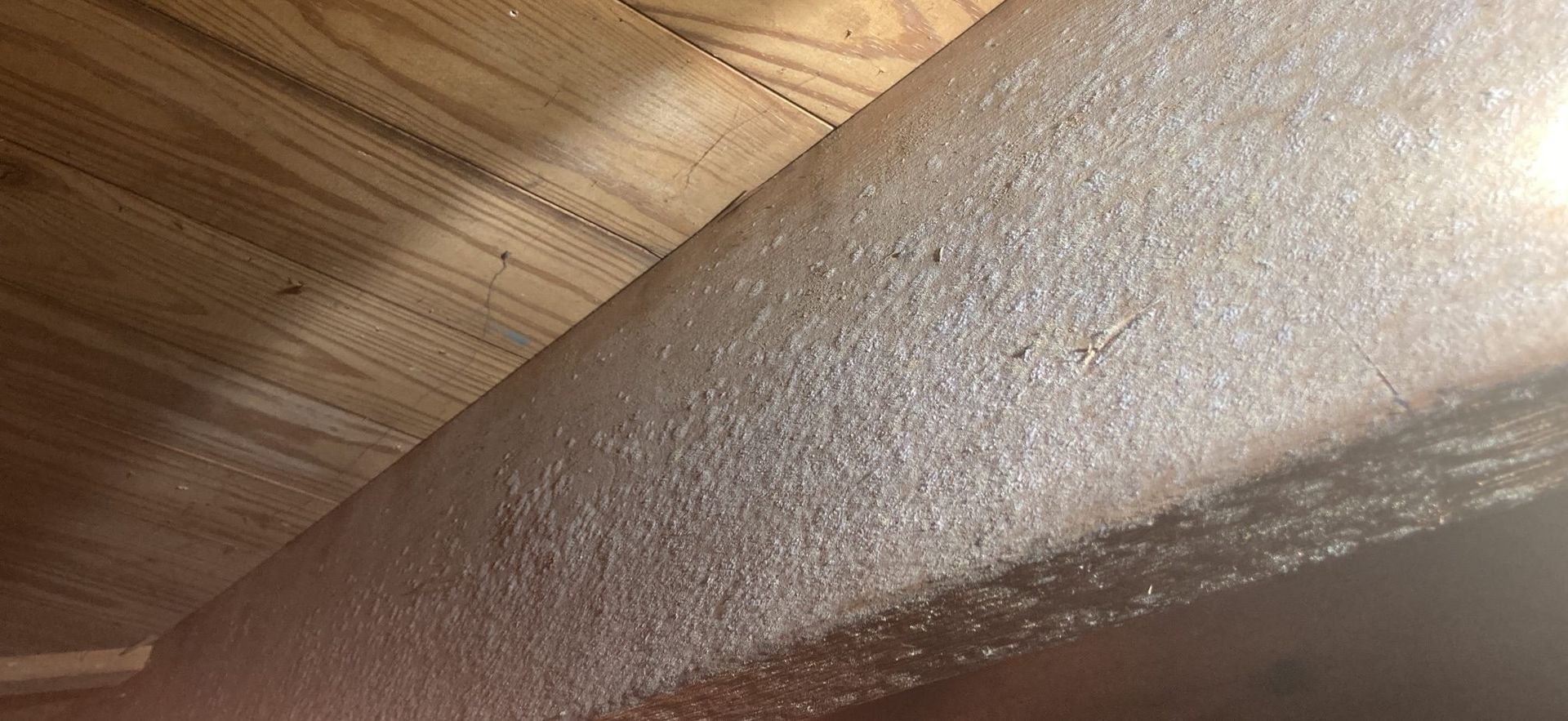
In these environments, mold growth on structural wood — especially in crawl spaces, attics, and subfloor framing — becomes more common. When mold affects large sections of framing but the structure remains sound, mold encapsulation often becomes a necessary step.
Encapsulation isn’t about hiding a problem. It’s about stabilizing treated surfaces after proper remediation and protecting wood from recurring growth in Florida’s humid climate.
Understanding why it becomes necessary helps coastal property owners make informed decisions.
What the Issue Really Is
Mold encapsulation involves applying a specialized coating to structural surfaces after mold has been properly removed and moisture levels have been corrected.
It is typically used when:
- Mold has affected large areas of framing
- Wood remains structurally intact
- Cleaning alone is insufficient
- Long-term moisture exposure is likely
In coastal Sanford properties, recurring humidity makes untreated wood vulnerable even after cleaning.
Encapsulation creates a protective barrier that limits oxygen access and reduces the chance of regrowth.
However, encapsulation only works if moisture sources are addressed first.
Why This Happens So Often in Sanford Coastal Properties
Sanford’s coastal-adjacent properties face ongoing environmental exposure.
Elevated Humidity
Moist air from nearby waterways remains present most of the year.
High Water Table
Ground moisture can affect crawl spaces and slab edges.
Storm Exposure
Heavy rains push moisture into small exterior gaps.
Warm Temperatures
Heat accelerates microbial growth when moisture is present.
Slab and Crawl Space Construction
Many properties rely on slab foundations or enclosed crawl spaces that trap humidity.
Homes in Cocoa, Merritt Island, and Melbourne waterfront areas face similar moisture loads, but inland Sanford coastal properties still experience strong humidity cycles due to surrounding water bodies.
Encapsulation becomes necessary when structural wood repeatedly absorbs moisture.
Common Signs Property Owners Notice
Coastal homeowners in Sanford may observe:
- Musty odors in crawl spaces
- Dark staining on attic roof decking
- Visible mold on floor joists
- Damp indoor air
- Peeling paint near ceilings
- Warped subflooring
Sometimes the mold growth appears light or surface-level, but extended humidity exposure means it may return without protective treatment.
Encapsulation becomes part of long-term stabilization.
Hidden or Overlooked Moisture Sources
Before encapsulation is considered, underlying moisture sources must be identified.
Common contributors include:
- Ground vapor in crawl spaces
- Poor attic ventilation
- AC duct condensation
- Roof flashing failures
- Blocked soffit vents
- Slab vapor transmission
- Bathroom exhaust venting into attic space
If these conditions remain, mold will likely return even after cleaning.
Encapsulation is effective only when moisture levels are controlled.
Why DIY Encapsulation Attempts Often Fail
Some property owners apply mold-resistant paint without proper preparation.
This often leads to recurrence.
Surface Cleaning Without Structural Drying
Moisture trapped inside wood continues feeding mold.
No Humidity Stabilization
Indoor air remains damp.
Incomplete Coverage
Unsealed areas allow regrowth.
No Moisture Verification
Wood moisture content may still be elevated.
Florida’s humidity requires a measured approach. Encapsulation is not a shortcut — it’s the final protective layer after remediation.
Professional Inspection & Detection Explained
Before recommending encapsulation in Sanford coastal homes, a structured inspection typically includes:
Visual Assessment
Reviewing crawl spaces, attics, and framing.
Moisture Meter Testing
Measuring wood moisture content.
Hygrometer Monitoring
Checking ambient humidity levels.
Thermal Imaging
Locating hidden damp areas.
Ventilation Evaluation
Assessing airflow balance.
Inspections and More FL often identifies elevated wood moisture in coastal properties where mold appears light but recurring.
Encapsulation decisions are based on measurable data — not assumptions.
The Science Behind Mold Encapsulation
Encapsulation coatings are designed to:
- Seal porous wood
- Inhibit oxygen flow to treated areas
- Create a moisture-resistant barrier
- Stabilize structural surfaces
However, coatings do not remove active moisture.
Proper encapsulation requires:
- Complete mold removal
- Structural drying
- Humidity stabilization
- Controlled application
In Sanford’s humid environment, dehumidification and ventilation adjustments are often necessary before sealing begins.
Encapsulation protects wood from future exposure — but only if moisture is controlled.
Proper Remediation & Encapsulation Process
When encapsulation becomes necessary, the structured process includes:
Containment
Preventing spore spread during cleaning.
HEPA Air Scrubbing
Capturing airborne particulates.
Safe Mold Removal
Cleaning structural wood surfaces.
Structural Dryouts
Using air movers and dehumidifiers.
Moisture Verification
Confirming safe wood moisture levels.
Encapsulation Coating Application
Sealing treated surfaces.
Vapor Barrier Installation (if needed)
Reducing ground moisture intrusion.
Ongoing Humidity Monitoring
Maintaining balanced indoor air.
Encapsulation works best as part of a full moisture control strategy.
Preventing Future Mold in Coastal Sanford Homes
Homeowners can reduce recurrence risk by:
- Installing crawl space vapor barriers
- Maintaining attic ventilation
- Monitoring indoor humidity
- Servicing HVAC systems regularly
- Inspecting roof flashing annually
- Sealing slab expansion joints
- Scheduling post-storm inspections
Homes in Palm Bay, Merritt Island, and Cocoa benefit from similar preventive measures.
Coastal humidity requires ongoing monitoring.
Why Local Florida Experience Matters
Encapsulation in Florida differs from dry inland regions.
Sanford coastal properties experience:
- Elevated dew points
- High groundwater fluctuations
- Storm-driven moisture
- Warm temperatures year-round
- Mixed slab and crawl space construction
Professionals familiar with Central Florida construction understand how moisture migrates in these building styles.
Inspections and More FL approaches encapsulation with this local expertise — ensuring moisture correction precedes sealing.
Experience ensures encapsulation remains effective long-term.
A Calm, Practical Next Step
If your Sanford coastal property shows signs of structural mold — especially in crawl spaces or attics — a structured evaluation can determine whether encapsulation is appropriate.
Encapsulation becomes necessary when mold affects wood surfaces and humidity remains a recurring factor.
In Florida’s climate, moisture is constant.
But with proper remediation, drying, and protective sealing, structural wood can remain stable and protected for years to come.