Why Mold Remediation Becomes Necessary in Cocoa in Rental Properties
Rental properties in Cocoa face a unique combination of challenges: high humidity, heavy seasonal rain, slab foundations, and frequent tenant turnover. While many issues in rental homes are visible and straightforward to fix, mold is different. It often develops quietly, spreads behind walls or under flooring, and resurfaces if moisture isn’t corrected properly.
In Cocoa — and in nearby Merritt Island, Melbourne, Palm Bay, and even inland toward Sanford — mold remediation becomes necessary not because mold simply “appears,” but because environmental conditions and hidden moisture allow it to grow unchecked.
What the Issue Really Is
Mold remediation is required when mold growth goes beyond a small surface spot and begins affecting structural materials or indoor air quality.
In rental properties, this typically happens when:
- Moisture has been present for an extended period
- Leaks were not reported immediately
- Humidity levels remained elevated
- Subflooring or drywall became saturated
- HVAC systems redistributed spores
Mold is not just a cosmetic issue. Once it colonizes porous materials like drywall, insulation, or wood framing, surface cleaning is no longer enough. Remediation involves removing contamination and correcting the moisture source.
In Cocoa’s humid climate, small problems can escalate quickly.
Why This Happens So Often in Cocoa Rental Properties
Rental homes in Cocoa face environmental pressures that increase mold risk.
Persistent Coastal Humidity
Humidity often stays above ideal indoor levels for long periods.
Heavy Rain and Storm Cycles
Wind-driven rain can enter small exterior gaps.
Slab Foundation Construction
Ground moisture can migrate upward through concrete.
HVAC Overuse
Constant cooling may create condensation in ducts or around air handlers.
Tenant Reporting Delays
Minor plumbing leaks or AC issues may go unnoticed for days or weeks.
Homes in Merritt Island and Melbourne experience similar humidity conditions, especially those closer to waterfront areas.
In rental settings, maintenance timing plays a major role in whether mold becomes widespread.
Common Signs Mold Remediation Is Needed
Property owners or tenants may notice:
- Persistent musty odors
- Visible dark staining on drywall or baseboards
- Warped flooring
- Peeling paint
- Damp spots around vents
- Recurring mold in the same area
- Elevated indoor humidity
If mold returns after cleaning, it’s often a sign that remediation — not simple removal — is required.
Repeated surface cleaning without moisture correction allows spores to reestablish.
Hidden or Overlooked Mold Sources in Rentals
In Cocoa rental properties, mold frequently develops in concealed areas such as:
- Behind bathroom walls
- Beneath kitchen sinks
- Under laminate or vinyl flooring
- Inside attic insulation
- Around HVAC air handlers
- Along slab edges
- Inside ductwork
Because rental homes may sit vacant between tenants, humidity can rise when AC systems are not operating consistently.
This creates ideal conditions for hidden mold growth.
Without professional evaluation, these concealed colonies may remain undetected until they spread.
Why DIY Mold Removal Usually Fails
Some landlords attempt to address mold with household cleaners or repainting.
While this may improve appearance temporarily, it rarely resolves the underlying issue.
Bleach Does Not Penetrate Porous Materials
Mold roots remain embedded in drywall and wood.
Spores Spread During Disturbance
Without containment, cleaning may release spores into the air.
Moisture Is Not Corrected
If leaks or humidity remain, growth returns.
HVAC Systems May Recirculate Spores
Without air filtration, contamination can spread.
In Florida’s humid climate, incomplete removal often results in recurring problems.
Remediation becomes necessary when contamination extends beyond surface-level cleaning.
Professional Inspection & Detection Explained
Before remediation begins, a structured assessment is essential.
In Cocoa rental properties, this typically includes:
Visual Inspection
Identifying visible growth and moisture indicators.
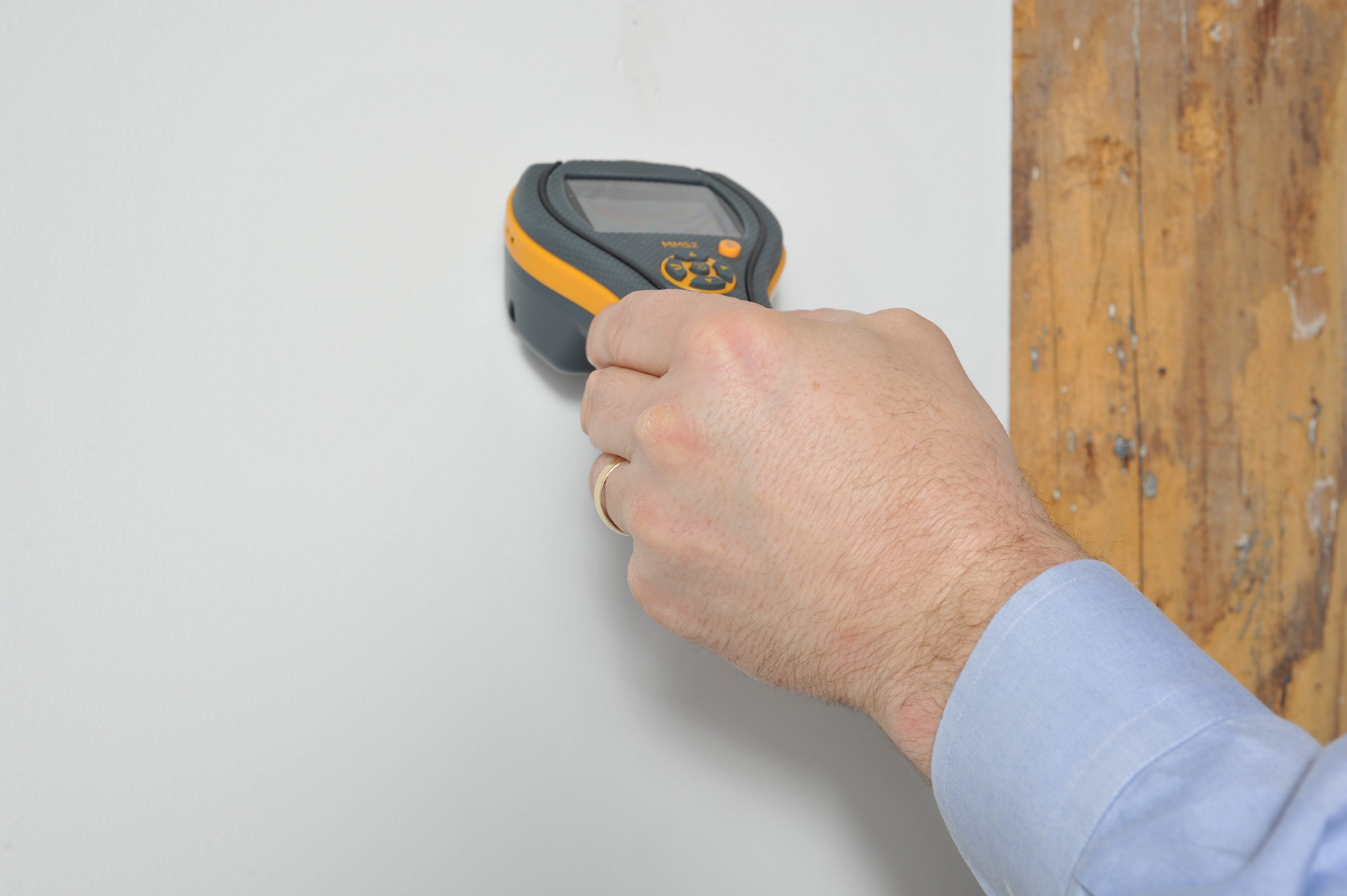
Moisture Meter Testing
Measuring moisture levels in drywall and flooring.
Thermal Imaging
Detecting hidden dampness behind walls.
Air Quality Evaluation
Assessing airborne spore presence if necessary.
HVAC Inspection
Ensuring duct systems are not contributing to contamination.
Inspections and More FL frequently evaluates rental properties in Cocoa to determine whether mold removal or full remediation is required.
Decisions are based on measurable moisture readings and contamination levels.
What Mold Remediation Involves
When mold remediation becomes necessary, the process includes:
Containment
Sealing off affected areas to prevent spore spread.
Safe Removal of Contaminated Materials
Removing damaged drywall, insulation, or flooring if needed.
HEPA Air Scrubbing
Filtering airborne spores during remediation.
Antimicrobial Treatment
Cleaning structural surfaces.
Structural Dryout
Using air movers and dehumidifiers to reduce moisture levels.
Mold Encapsulation
Sealing treated wood surfaces when appropriate.
Moisture Source Correction
Repairing plumbing leaks, improving ventilation, or addressing slab vapor migration.
Remediation focuses on eliminating both contamination and moisture — preventing recurrence.
Cost Factors in Rental Mold Remediation
Costs depend on:
- Size of affected area
- Duration of moisture exposure
- Need for containment
- Material removal requirements
- HVAC involvement
- Extent of structural drying
Early detection significantly reduces remediation scope.
Addressing minor moisture issues before mold spreads helps avoid larger structural repairs.
Preventing Mold in Cocoa Rental Properties
Landlords can reduce future remediation needs by:
- Scheduling annual moisture inspections
- Maintaining HVAC systems regularly
- Installing humidity monitors
- Cleaning AC condensate lines
- Inspecting roof flashing after storms
- Addressing tenant-reported leaks immediately
- Monitoring slab moisture levels
Homes in Palm Bay, Merritt Island, and Sanford benefit from similar preventive practices.
Consistent maintenance protects both property value and tenant comfort.
Why Local Florida Experience Matters
Mold behavior in Cocoa differs from drier regions.
The combination of:
- Coastal humidity
- Frequent storms
- High groundwater
- Slab construction
- Warm temperatures
… creates constant moisture pressure.
Professionals familiar with Central Florida building styles understand how moisture migrates in slab homes and how rental turnover affects humidity control.
Inspections and More FL approaches mold remediation with this localized expertise — focusing on long-term stability rather than short-term fixes.
Experience reduces the risk of recurrence.
A Calm, Practical Next Step
If you own or manage a rental property in Cocoa and suspect mold, early evaluation is the most practical step.
Remediation becomes necessary when mold growth extends beyond surface cleaning and moisture remains present.
In Florida’s humid climate, moisture rarely resolves on its own.
But with proper inspection, controlled remediation, and moisture correction, rental properties can remain stable, compliant, and protected year-round.