
Why Mold Remediation Becomes Necessary in Melbourne in Waterfront Homes
Living on the water in Melbourne has its perks — river views, coastal breezes, and that relaxed Florida lifestyle. But waterfront properties come with one constant factor that never really takes a break: moisture.
Homes near the Indian River Lagoon or along canal systems in Melbourne experience higher humidity exposure than inland properties. Add storm season, salt-heavy air, tidal changes, and frequent rainfall, and you have an environment where mold problems can develop quietly and quickly.
Mold remediation becomes necessary in waterfront homes not because something dramatic happened — but because moisture is always present in the background.
Let’s take a closer look at why this happens and how proper remediation protects waterfront properties from structural damage.
Why Waterfront Homes Face Higher Mold Risk
Waterfront living means constant proximity to moisture.
In Melbourne waterfront areas, homes experience:
- Elevated year-round humidity
- Salt air exposure
- Frequent wind-driven rain
- Higher groundwater levels
- Limited natural drying conditions
Even when there’s no visible leak, materials inside the home absorb ambient humidity over time.
Wood framing, drywall, insulation, and even subflooring slowly take on moisture from the air.
That ongoing exposure increases the likelihood of mold growth — especially in hidden areas.
Common Moisture Patterns in Melbourne Waterfront Homes
In homes along the river or canal systems, inspections often reveal recurring patterns.
Attics
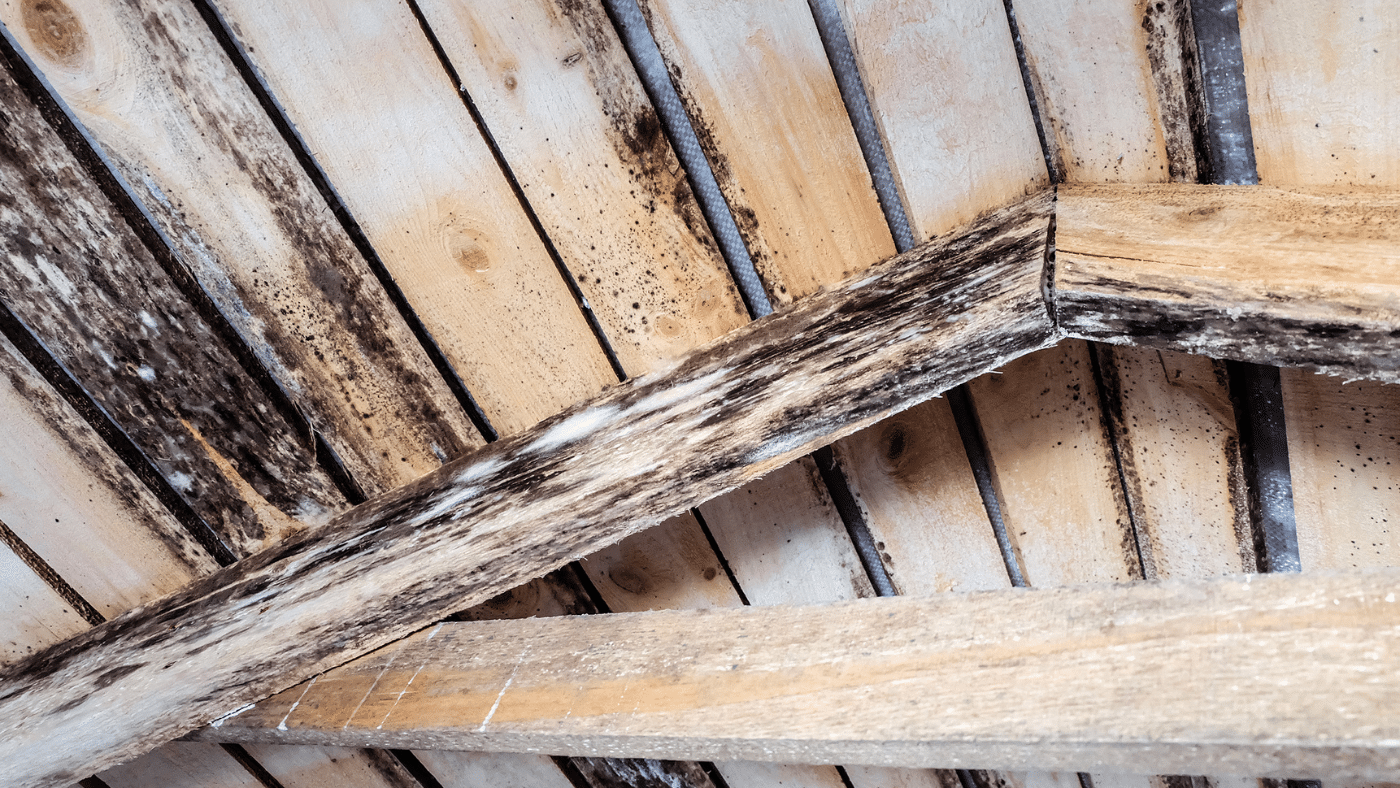
Salt-heavy humid air enters through vents. Roof decking and rafters may show light but repeated moisture exposure.
Crawl Spaces
Ground moisture rises after storms or tidal shifts, increasing humidity beneath the home.
Slab Edges
Concrete slabs absorb moisture from saturated soil and slowly release it indoors.
Around Windows and Sliding Doors
Salt air and wind-driven rain degrade seals over time.
HVAC Systems
Air handlers work harder in humid environments, increasing condensation risks.
None of these issues require flooding to cause problems. Persistent humidity alone can be enough.
Why Mold Growth Happens Quietly
Mold doesn’t need standing water.
In Melbourne’s waterfront climate, mold often develops because:
- Relative humidity remains above 60%
- Structural materials stay slightly damp
- Ventilation is limited
- Temperature stays warm year-round
Even minor condensation in attics or crawl spaces can allow mold spores to settle and grow.
By the time homeowners notice a musty odor, microbial growth may already be established behind surfaces.
What Mold Remediation Actually Involves
Mold remediation is not simply cleaning visible spots.
Proper remediation includes:
- Identifying and correcting the moisture source
- Containing affected areas to prevent spore spread
- Using HEPA filtration to clean the air
- Removing contaminated materials when necessary
- Cleaning and treating structural surfaces
- Drying the structure to safe moisture levels
- Confirming stabilization before closing walls
In waterfront homes, remediation must address the ongoing humidity challenge — not just the visible growth.
At Inspections and More FL, remediation plans are built around both removal and long-term moisture control.
Why Cleaning Alone Doesn’t Solve Waterfront Mold Issues
Some homeowners attempt to wipe away visible mold with household cleaners.
But in Melbourne waterfront properties:
- Humidity remains high
- Materials stay porous
- Spores remain airborne
- Moisture returns after storms
Without correcting humidity levels and drying structural materials, mold often reappears.
Surface cleaning rarely addresses what’s happening inside framing or insulation.
The Role of Dehumidification in Waterfront Homes
Dehumidification plays a critical role during and after remediation.
Because outdoor air near the water remains humid, natural ventilation may not help.
Commercial dehumidifiers:
- Reduce indoor relative humidity
- Support structural drying
- Stabilize framing and insulation
- Lower recurrence risk
In waterfront homes, ongoing humidity control is often necessary even after remediation is complete.
Crawl Spaces: A Major Vulnerability
Many waterfront homes in Melbourne either have crawl spaces or low-lying slab construction.
Crawl spaces near water sources are especially vulnerable to:
- Groundwater pressure
- Elevated soil moisture
- Limited airflow
- Condensation on ductwork
When humidity rises beneath the home, that moisture migrates upward into living areas.
Mold remediation in these properties often includes crawl space evaluation and moisture stabilization.
Salt Air and Material Degradation
Salt-heavy coastal air does more than corrode metal.
It also:
- Degrades window seals
- Weakens flashing
- Impacts roofing materials
- Accelerates exterior wear
These small material failures allow moisture intrusion during storms.
Over time, repeated minor intrusion events create ideal mold conditions inside wall cavities and attics.
Remediation must address these entry points to prevent recurrence.
Signs Mold Remediation May Be Necessary
Waterfront homeowners in Melbourne should watch for:
- Persistent musty odors
- Visible attic staining
- Soft drywall near exterior walls
- Condensation inside windows
- Warped baseboards
- Elevated indoor humidity readings
Even subtle changes may indicate hidden moisture.
Early intervention prevents widespread structural impact.
Why Timing Matters in Waterfront Homes
Because humidity levels remain consistently high near water, moisture doesn’t dry quickly on its own.
Delaying remediation allows:
- Mold to spread further
- Structural materials to weaken
- Insulation to deteriorate
- Indoor air conditions to worsen
Addressing mold early limits the scope of removal and protects structural components.
Preventing Future Mold Issues in Melbourne Waterfront Properties
Waterfront homeowners can reduce risk by:
- Monitoring indoor humidity (keep below 60%)
- Inspecting attics after storms
- Checking crawl spaces annually
- Maintaining window and door seals
- Servicing HVAC systems regularly
- Scheduling routine moisture evaluations
Storm season amplifies these risks, so post-storm inspections are especially important.
Why Local Experience Matters
Waterfront homes behave differently than inland properties.
Local professionals understand:
- How tidal changes influence groundwater levels
- How salt air impacts building materials
- How humidity cycles vary seasonally
- How slab and crawl space homes respond to moisture
Experience across Melbourne, Merritt Island, Cocoa, and Palm Bay allows more accurate identification of waterfront-specific mold risks.
Remediation must be tailored to Florida’s coastal environment — not based on dry-climate standards.
Protecting Your Waterfront Property in Melbourne
Mold remediation becomes necessary in Melbourne waterfront homes because moisture exposure is constant — not occasional.
When handled properly, remediation:
- Removes contamination safely
- Protects structural framing
- Stabilizes humidity levels
- Reduces recurrence risk
- Preserves long-term property value
Waterfront living offers incredible advantages — but it requires proactive moisture management.
If your Melbourne waterfront home shows signs of recurring humidity or mold growth, a professional evaluation can determine whether remediation is necessary and help protect your property before small issues turn into structural concerns.
Moisture may be part of coastal living — but structural damage doesn’t have to be.
