
Why Mold Remediation Becomes Necessary in Merritt Island During Storm Season
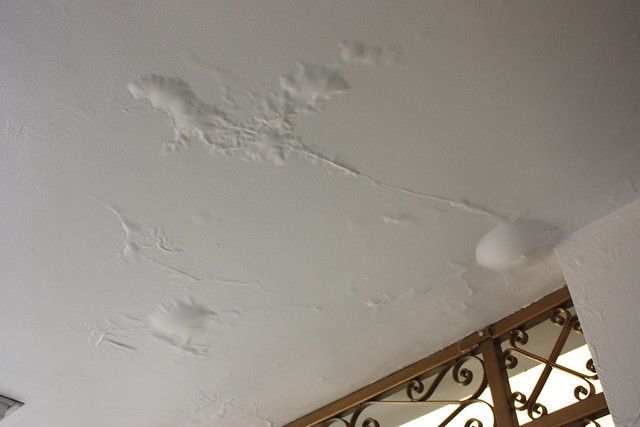
Storm season in Merritt Island is not just about wind and rain — it’s about moisture. Between tropical systems, prolonged summer downpours, and hurricane activity, homes in this coastal community face repeated exposure to heavy rainfall and high humidity.
Even when a storm seems minor, moisture can enter through small roof gaps, window seals, or exterior penetrations. Once inside, it often lingers. And in Florida’s warm, humid climate, lingering moisture creates conditions where mold remediation becomes necessary more often than homeowners expect.
Let’s take a closer look at why storm season in Merritt Island frequently leads to mold issues — and why remediation requires more than surface cleaning.
Storm Season in Merritt Island: A Perfect Moisture Setup
Merritt Island sits between the Atlantic Ocean and the Indian River Lagoon. That means homes are constantly exposed to elevated humidity, even on clear days.
During storm season, additional factors come into play:
- Wind-driven rain forced under shingles
- Water intrusion around sliding glass doors
- Saturated exterior walls
- Overwhelmed gutters
- Flooding in low-lying areas
- Extended power outages affecting HVAC systems
Unlike a sudden plumbing leak, storm-related moisture often spreads slowly and silently.
How Storm Moisture Moves Through a Home
Water doesn’t stay where it enters.
Once intrusion occurs, moisture can:
- Wick upward through drywall
- Travel along framing members
- Saturate attic insulation
- Migrate beneath flooring
- Accumulate behind exterior walls
Because Merritt Island’s climate is already humid, evaporation slows dramatically. Moisture becomes trapped inside structural materials.
In Florida’s warm environment, mold can begin developing within days when conditions are right.
Why Merritt Island Homes Are Especially Vulnerable
Storm season affects homes differently here than in inland areas.
Coastal Humidity
Even between storms, humidity levels remain elevated.
Salt Air Exposure
Salt accelerates wear on roofing systems and exterior materials, increasing intrusion points.
Slab Construction
Many homes are built on slabs, allowing moisture to migrate along floor edges.
High Water Tables
Saturated soil increases moisture pressure beneath foundations.
These conditions combine to create ongoing moisture stress throughout storm season.
Early Warning Signs During Storm Season
Homeowners often notice subtle signs first:
- Musty odors after rain
- Ceiling discoloration
- Paint bubbling near windows
- Warped baseboards
- Elevated indoor humidity
- AC running constantly
Sometimes the only clue is a damp, heavy feeling in certain rooms.
Ignoring these early signs allows moisture to remain in place longer.
Why Surface Cleaning Isn’t Enough
It’s common to wipe visible mold or repaint stained areas after a storm.
However:
- Mold penetrates porous drywall and wood
- Moisture may still be present inside walls
- Insulation can remain saturated
- Slab edges may continue releasing vapor
Without addressing the moisture source and drying the structure, mold often returns.
True remediation focuses on correcting moisture and removing contamination — not hiding symptoms.
The Structured Mold Remediation Process
When mold develops during storm season, a science-based process is essential.
1. Moisture Detection
Use moisture meters and thermal imaging to locate hidden dampness.
2. Source Correction
Repair roof leaks, seal window penetrations, or address drainage issues.
3. Containment
Isolate affected areas to prevent cross-contamination.
4. Removal of Contaminated Materials
Remove saturated drywall or insulation if necessary.
5. Structural Drying
Deploy air movers and dehumidifiers to restore safe moisture levels.
6. Air Scrubbing
Use HEPA filtration to improve indoor air conditions.
7. Verification
Confirm moisture levels have stabilized before rebuilding.
At Inspections and More FL, remediation projects in Merritt Island during storm season focus first on moisture control — because without it, the problem repeats.
Why Storm-Related Mold Often Goes Undetected
Storm damage doesn’t always create visible flooding.
Common hidden intrusion areas include:
- Behind exterior walls
- Around roof penetrations
- Beneath laminate flooring
- In attic decking
- Near sliding glass doors
Wind-driven rain can enter through very small gaps.
Because moisture spreads along structural pathways, it may affect multiple rooms before visible signs appear.
The Role of Humidity in Ongoing Mold Risk
During storm season, indoor humidity often rises above safe levels.
If humidity stays above 60%:
- Materials absorb moisture
- Drying slows
- Odors develop
- Mold growth risk increases
Dehumidification plays a major role in both remediation and prevention.
In coastal environments like Merritt Island, humidity control is an ongoing necessity.
Long-Term Risks of Ignoring Storm-Related Moisture
If mold remediation is delayed, homeowners may experience:
- Recurring stains
- Warped flooring
- Persistent musty smells
- Structural framing deterioration
- Reduced insulation efficiency
Because storm season lasts for months, repeated minor intrusions can compound over time.
Addressing moisture promptly reduces long-term repair complexity.
Preventing Mold During Storm Season
Homeowners can reduce risk by:
Inspecting Roofs Before and After Storms
Small flashing issues can lead to significant intrusion.
Checking Attics After Heavy Rain
Look for damp insulation or decking.
Maintaining Proper Drainage
Ensure water flows away from the foundation.
Monitoring Indoor Humidity
Maintain levels between 45–55%.
Scheduling Moisture Evaluations
Especially after major storms.
Routine inspections throughout Merritt Island and nearby Cocoa help catch early moisture before it escalates.
Why Local Experience Matters
Mold remediation during storm season requires understanding:
- Coastal humidity patterns
- Wind-driven rain behavior
- Slab construction moisture movement
- Salt air material degradation
- Florida drying timelines
Merritt Island homes respond differently to moisture than homes in dry climates.
Local experience ensures remediation strategies are tailored to Florida’s environmental conditions.
A Calm, Practical Next Step
If your Merritt Island home has experienced heavy storms and you’ve noticed odors, stains, or humidity changes, scheduling a professional evaluation is a practical step.
An assessment can determine:
- Whether hidden moisture remains
- If mold remediation is necessary
- Whether structural drying is required
- How to prevent recurrence
Inspections and More FL works with homeowners throughout Merritt Island, Cocoa, Palm Bay, Melbourne, and Sanford to evaluate storm-related moisture and apply structured remediation strategies suited to Florida’s coastal climate.
Storm season may be unavoidable. Ensuring moisture is properly managed afterward is what protects your home long term.
