
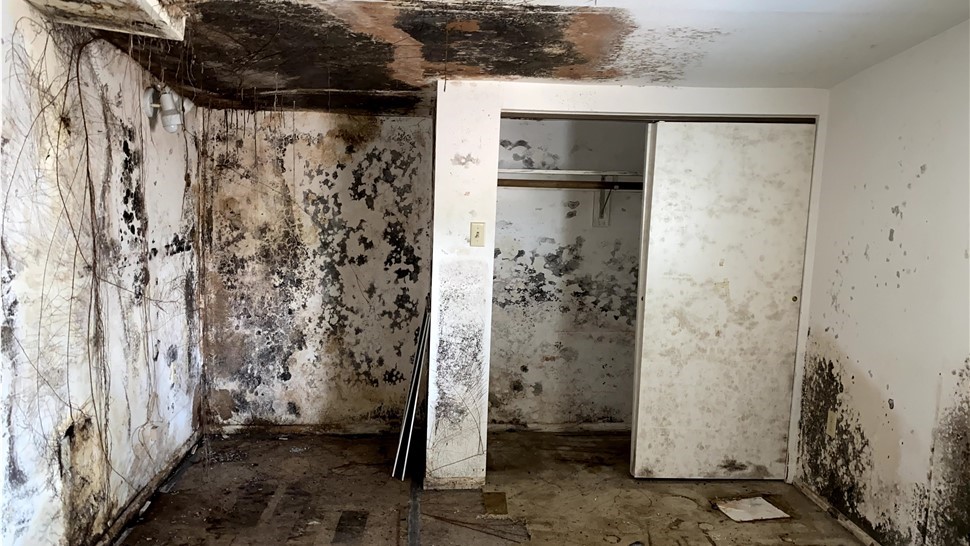
Why Mold Remediation Becomes Necessary in Palm Bay in Rental Properties
Rental properties in Palm Bay operate under a different set of pressures than owner-occupied homes. Between tenant turnover, deferred maintenance, Florida’s coastal humidity, and frequent seasonal storms, moisture issues can develop quietly and escalate quickly. By the time a tenant reports a musty odor or visible staining on a wall, the underlying moisture problem may already be well established.
In Palm Bay’s warm and humid climate, mold rarely appears without a moisture imbalance. When that imbalance persists — whether from a small plumbing leak, AC condensation issue, or storm-related intrusion — professional mold remediation becomes necessary. This process goes far beyond surface cleaning. It involves identifying hidden moisture, containing contamination, removing affected materials when needed, and restoring environmental stability.
Understanding why mold remediation is often required in rental properties helps landlords and property managers protect both their investment and their occupants.
The Moisture Conditions That Lead to Mold in Rentals
Mold growth in Palm Bay rental homes usually begins with unnoticed moisture. Common triggers include:
- Slow plumbing leaks under sinks
- AC condensate drain line clogs
- Poor bathroom exhaust ventilation
- Roof flashing failures during heavy rain
- Window seal deterioration
- Elevated indoor humidity from constant AC cycling
In rental properties, minor issues may go unreported for days or weeks. A small drip behind a vanity can saturate drywall and insulation quickly in Florida’s climate. Warm temperatures and high humidity accelerate the growth process.
Because rental units may not be inspected daily by owners, moisture can remain present longer than in owner-occupied homes.
Why Palm Bay’s Climate Increases the Risk
Palm Bay’s coastal location creates ideal conditions for mold development when moisture is introduced.
Persistent Humidity
Outdoor air remains moisture-heavy throughout much of the year. If indoor humidity rises above recommended levels, surfaces stay damp longer.
Slab Foundation Construction
Many Palm Bay rental homes are built on concrete slabs. Moisture can migrate along slab edges and affect lower wall sections.
Frequent Storm Systems
Heavy rain and wind-driven moisture increase the chance of water intrusion through small exterior gaps.
Warm Temperatures
Heat accelerates microbial growth on damp building materials.
HVAC Dependency
Air conditioning systems run constantly. If maintenance lapses occur, humidity levels can rise unnoticed.
These factors mean even minor leaks can escalate into remediation-level problems if not addressed quickly.
Signs Mold Remediation Is Necessary in Rentals
Landlords and property managers often become aware of problems when tenants report:
- Persistent musty odors
- Visible dark spots on drywall
- Peeling paint near baseboards
- Warped trim or cabinet bottoms
- Damp indoor air
- Increased allergy-like discomfort
While surface mold may appear limited, hidden contamination often extends behind walls or beneath flooring.
When growth spreads beyond a small, isolated patch, professional remediation becomes the responsible solution.
Why Cleaning Alone Doesn’t Solve the Problem
Wiping visible mold with household cleaners does not resolve underlying contamination.
In Palm Bay’s humid environment:
- Mold roots penetrate porous drywall
- Insulation behind walls absorbs moisture
- Framing may hold elevated moisture
- Damp zones remain untreated
Without identifying and correcting the moisture source, growth typically returns.
Professional remediation addresses both the contamination and the environmental conditions that allowed it to develop.
What Professional Mold Remediation Involves
In Palm Bay rental properties, remediation follows a structured process.
1. Moisture Detection
Moisture meters and thermal imaging locate hidden damp areas inside walls, ceilings, and flooring.
2. Source Correction
Leaking plumbing, roofing vulnerabilities, or HVAC issues are repaired before remediation proceeds.
3. Containment Setup
Plastic containment barriers isolate the affected area to prevent cross-contamination into other rooms.
4. Air Scrubbing
HEPA air scrubbers filter airborne particles during cleaning and demolition.
5. Removal of Affected Materials
Saturated drywall, insulation, or flooring may require controlled removal if contamination is extensive.
6. Cleaning Structural Surfaces
Framing and non-porous surfaces are cleaned thoroughly.
7. Structural Drying
Commercial dehumidifiers and air movers remove residual moisture.
8. Final Moisture Verification
Moisture readings confirm materials have returned to acceptable levels.
Companies like Inspections and More FL understand how Palm Bay’s coastal humidity influences drying timelines and contamination spread.
Cost Factors in Rental Property Remediation
The cost of mold remediation in Palm Bay rentals depends on several variables.
Size of the Affected Area
Larger contamination zones increase labor and material removal.
Duration of Moisture Exposure
The longer moisture remains, the deeper the structural impact.
Materials Involved
Drywall and insulation are often more vulnerable and may require replacement.
Containment Requirements
Multi-room containment setups increase preparation time.
Equipment Operation Time
Air scrubbers and dehumidifiers may need to run for several days.
Vacancy Period
Extended remediation can delay tenant occupancy.
Early detection significantly reduces total project costs.
Why Delaying Remediation Increases Risk
In rental properties, delays often occur when small leaks seem minor. However, postponing evaluation can lead to:
- Widespread contamination
- Larger demolition areas
- Higher drying expenses
- Persistent odor complaints
- Tenant dissatisfaction
- Potential property value impact
Addressing moisture promptly prevents minor issues from escalating.
Long-Term Prevention Strategies for Palm Bay Rentals
Property owners can reduce future remediation needs by implementing consistent moisture management.
- Conduct annual roof inspections
- Service HVAC systems regularly
- Clean condensate drain lines
- Install functioning bathroom exhaust fans
- Monitor indoor humidity levels
- Inspect properties between tenant turnovers
- Respond immediately to maintenance requests
Proactive management is essential in Palm Bay’s humid climate.
Why Local Experience Matters
Palm Bay’s environmental conditions create unique moisture patterns. Coastal air, slab construction, and storm cycles influence how water spreads within structures.
Local professionals understand:
- Where hidden moisture typically migrates
- How quickly mold develops in Florida heat
- How to interpret moisture readings accurately
- How to design effective drying strategies
Inspections and More FL works within these environmental realities regularly, providing tailored solutions for rental properties.
A Practical Approach for Rental Property Owners
Mold remediation becomes necessary in Palm Bay rental properties when moisture is allowed to persist in Florida’s humid climate. The key is early detection and structured intervention.
By identifying leaks quickly, correcting humidity imbalances, and implementing thorough remediation when required, property owners protect structural materials, minimize vacancy time, and manage long-term repair costs.
In Palm Bay, consistent moisture monitoring and professional remediation when needed are essential steps in maintaining stable, durable rental properties in a demanding coastal environment.
