
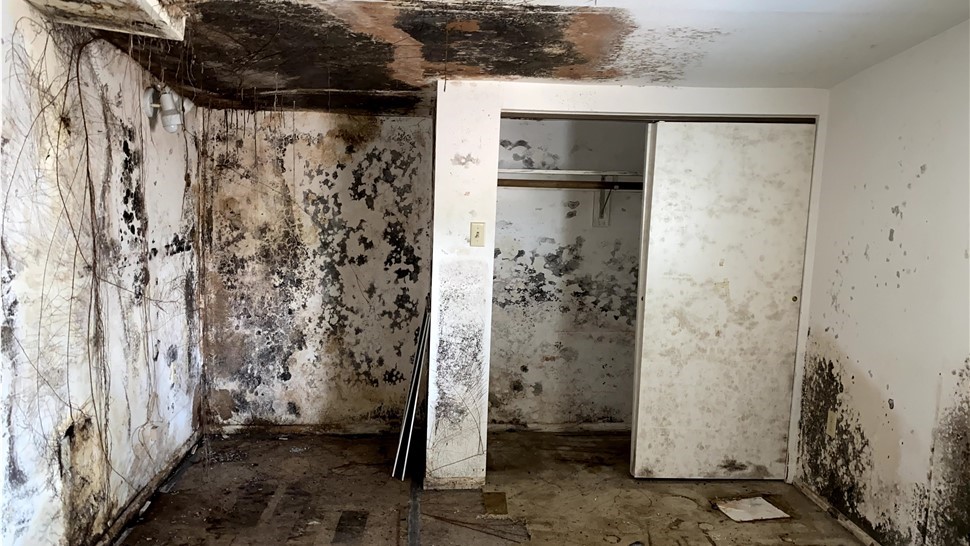
Why Mold Remediation Becomes Necessary in Sanford During Extreme Humidity
In Sanford, humidity isn’t just a summer inconvenience. It’s a structural factor.
There are stretches of the year — especially late summer and early fall — when humidity stays elevated for days or even weeks. Afternoon storms roll through. Nights stay warm. AC systems run constantly. The air feels heavy, even indoors.
During these extreme humidity periods, mold remediation becomes necessary in homes that have never flooded and never had a major plumbing leak.
That surprises a lot of property owners.
But in Central Florida’s climate, sustained humidity alone can create the conditions mold needs to grow — especially in older homes or buildings with hidden moisture vulnerabilities.
Let’s break down why this happens and why quick, structured remediation becomes necessary when humidity pushes a property past its moisture threshold.
Extreme Humidity Changes How Buildings Behave
When humidity rises outdoors, indoor humidity follows — even in air-conditioned homes.
In Sanford, extreme humidity means:
- Outdoor moisture levels remain high all day
- Evening humidity slows natural evaporation
- Frequent storms reintroduce moisture
- Warm temperatures prevent materials from fully drying
Over time, building materials absorb moisture from the air.
Drywall, wood framing, insulation, and even concrete slabs can hold that moisture longer than expected.
When moisture content stays elevated, mold growth becomes possible.
Why Older Sanford Homes Are More Vulnerable
Older homes in Sanford often have:
- Minimal slab vapor barriers
- Aging roofing systems
- Original ductwork insulation
- Older window seals
- Limited attic ventilation
- Crawl spaces in certain areas
These construction details make it easier for moisture to enter — and harder for it to leave.
During extreme humidity, even small weaknesses allow moisture to accumulate quietly behind walls, in attics, or under flooring.
That’s when mold remediation becomes necessary, even without a dramatic water event.
Common Areas Affected During Humid Periods
In Sanford homes, mold during extreme humidity is often found in:
Attics
Hot attic spaces with limited ventilation trap humid air. Sweating ducts and minor roof vulnerabilities increase moisture levels.
Lower Wall Cavities
Slab-on-grade foundations may allow vapor transmission upward during rainy periods.
Baseboards swell. Drywall near the floor softens.
Closets and Low-Airflow Rooms
Closets along exterior walls often show early signs of musty odor and surface growth.
Around Air Handler Closets
Long AC cycles create steady condensation. If drain lines clog or pans rust, moisture spreads into nearby materials.
Behind Furniture
Large furniture placed against exterior walls restricts airflow, allowing humidity to linger.
Early Signs That Mold Is Developing
During extreme humidity in Sanford, property owners often notice:
- Persistent musty odors
- Bubbling paint
- Dark spotting near baseboards
- Ceiling discoloration
- Increased indoor humidity
- AC running without reducing dampness
These are signals that materials may have reached elevated moisture levels long enough to support mold growth.
Waiting allows the affected area to expand.
Why Quick Action Matters
Mold spreads when moisture remains active.
If remediation begins early:
- Affected areas remain smaller
- Fewer materials require removal
- Drying times are shorter
- Structural framing can often be preserved
If delayed:
- Mold spreads laterally across drywall
- Insulation becomes fully saturated
- Attic decking contamination expands
- Odors intensify
- Project costs increase
In Florida’s climate, time directly impacts remediation scope.
What Mold Remediation Involves During Extreme Humidity
Step 1: Moisture Detection
Professionals identify:
- Elevated drywall moisture
- Slab vapor impact
- Attic condensation patterns
- HVAC-related moisture
- Indoor humidity levels
Thermal imaging and moisture meters define the full footprint of dampness.
Step 2: Source and Humidity Correction
Remediation must address contributing factors:
- Drain line maintenance
- Ventilation adjustments
- Roof repairs
- HVAC calibration
- Dehumidification setup
Without correcting humidity, remediation will not hold.
Step 3: Containment
Affected areas are isolated to prevent cross-contamination.
Negative air pressure may be established using air scrubbers.
Step 4: Removal of Compromised Materials
Porous materials such as drywall or insulation that cannot be fully dried are removed.
Early intervention limits demolition.
Step 5: HEPA Cleaning and Structural Drying
Structural components are cleaned and dried using controlled dehumidification.
In Sanford’s humidity, drying must be monitored carefully.
Step 6: Verification
Moisture readings confirm materials have returned to stable levels before reconstruction begins.
Skipping this step often leads to recurrence.
Companies like Inspections and More FL focus on humidity control first because Florida’s climate requires a moisture-centered approach.
Why Extreme Humidity Alone Can Trigger Mold
Mold doesn’t require flooding.
It requires sustained moisture.
During prolonged humidity:
- Materials absorb moisture gradually
- Evaporation slows
- Indoor humidity remains elevated
- Dampness lingers in low-airflow spaces
When humidity stays high long enough, remediation becomes necessary to restore stability.
Long-Term Prevention in Sanford
To reduce mold risk during extreme humidity:
- Monitor indoor humidity levels
- Schedule annual AC maintenance
- Flush condensate drain lines
- Inspect attic ventilation
- Inspect roofs after storms
- Address minor leaks immediately
- Consider periodic moisture evaluations
Proactive moisture control prevents repeated remediation.
Why Local Experience Matters
Mold remediation during extreme humidity in Sanford requires understanding:
- Central Florida humidity cycles
- Slab vapor behavior
- Attic heat and condensation patterns
- Realistic drying timelines in humid air
- How storm seasons influence moisture migration
Local professionals recognize these patterns quickly and adjust remediation strategies accordingly.
A Practical Next Step
If your Sanford property feels persistently damp during extreme humidity — especially if accompanied by musty odors or surface changes — don’t assume it’s temporary.
Humidity in Florida doesn’t always correct itself.
A professional moisture evaluation identifies whether mold remediation is necessary and how extensive the impact may be.
In Central Florida’s climate, early action keeps extreme humidity from turning into long-term structural damage.
