
Why Mold Removal Becomes Necessary in Melbourne After Heavy Rainstorms
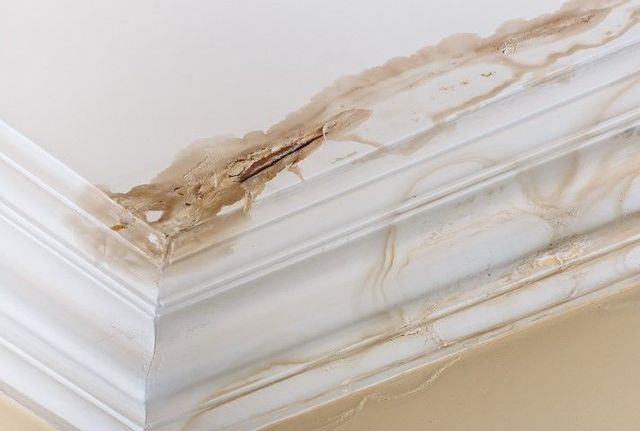
Heavy rainstorms in Melbourne are nothing new. Between summer downpours, tropical systems, and lingering storm bands, properties here regularly take on moisture. The problem isn’t just the visible water that might seep in through a roof or doorway. It’s the moisture that stays behind — trapped inside walls, insulation, and flooring.
In Florida’s warm, humid climate, that trapped moisture quickly turns into a mold problem. That’s why mold removal often becomes necessary in Melbourne after heavy rainstorms, even when the home doesn’t appear severely damaged at first glance.
Let’s break down what really happens after a major rain event and why proper mold removal protects your property long term.
What Heavy Rainstorms Actually Do to a Home
During a heavy storm in Melbourne, moisture can enter a property in several ways:
- Wind-driven rain through soffits or siding
- Minor roof leaks that aren’t immediately visible
- Water intrusion around windows and doors
- Saturated soil pushing moisture into slab foundations
- Gutter overflow pooling near exterior walls
Even small amounts of water intrusion can soak into drywall, insulation, and wood framing.
The key issue is absorption.
Building materials don’t dry quickly in Florida’s climate. When humidity stays elevated after a storm, moisture remains trapped inside structural components.
Within 24 to 72 hours, mold growth can begin.
Why Melbourne Homes Are Especially Vulnerable
Melbourne’s coastal environment amplifies post-storm moisture problems.
Persistent Humidity
Even after rainfall stops, the air remains damp, slowing evaporation.
Warm Temperatures
Heat accelerates microbial growth once materials are wet.
Slab Foundations
Moisture vapor rises from saturated soil beneath homes.
Salt Air
Salt retains moisture on surfaces, prolonging dampness.
Homes near waterways or low-lying neighborhoods are especially susceptible.
Even if flooding doesn’t occur, heavy rain alone can create hidden moisture issues.
Early Signs Mold May Be Developing
After heavy rainstorms, homeowners often notice subtle changes before visible mold appears.
Common warning signs include:
- Musty odors
- Damp drywall
- Peeling paint
- Swollen baseboards
- Warped flooring
- Increased indoor humidity
- AC running longer than usual
In many cases, mold growth begins behind walls or beneath flooring long before it becomes visible.
By the time dark spotting appears on drywall, moisture has likely been present for days or weeks.
Hidden Areas Where Mold Often Grows After Storms
In Melbourne properties, mold frequently develops in:
- Wall cavities near exterior walls
- Behind baseboards
- Under laminate or hardwood flooring
- Inside insulation
- Around window frames
- In attic decking and roof sheathing
- Around HVAC duct penetrations
Heavy rain doesn’t need to flood a room to cause damage. Wind-driven moisture can penetrate small openings and spread inside wall systems.
Without proper drying, these areas remain damp long enough for mold to colonize.
Why DIY Cleanup Usually Isn’t Enough
After a storm, many property owners attempt:
- Cleaning visible spots with bleach
- Running household fans
- Using small dehumidifiers
- Repainting stained areas
- Replacing damaged flooring without drying the subfloor
These steps may improve appearance but don’t eliminate hidden contamination.
Bleach doesn’t fully penetrate porous materials like drywall or wood. And fans alone don’t remove moisture from inside walls.
Without professional mold removal and structural drying, mold often returns.
Surface treatment is not the same as remediation.
What Professional Mold Removal Involves
In Melbourne, post-storm mold removal typically follows a structured process.
At Inspections and More FL, remediation often includes:
Comprehensive Inspection
Using moisture meters and thermal imaging to locate hidden damp areas.
Containment
Isolating affected areas to prevent spore spread.
HEPA Air Scrubbing
Capturing airborne mold particles during remediation.
Removal of Contaminated Materials
Safely removing damaged drywall, insulation, or flooring when necessary.
Anti-Microbial Treatment
Treating structural surfaces after cleaning.
Structural Dryouts
Using industrial-grade dehumidifiers and air movers to restore materials to safe moisture levels.
Moisture Source Correction
Repairing roof leaks, improving drainage, or addressing ventilation issues.
This approach ensures that both contamination and the moisture source are addressed.
The Importance of Structural Drying After Heavy Rain
Mold removal cannot be successful without drying.
Heavy rain leaves structural materials saturated. If drying is incomplete, mold growth will return.
Structural dryouts:
- Shorten moisture exposure time
- Protect framing and drywall
- Prevent recurring contamination
- Stabilize indoor humidity
In Melbourne’s humid climate, natural drying is rarely sufficient.
Controlled dehumidification is essential.
Protecting Slab Foundation Homes in Melbourne
Many Melbourne homes are built on slabs.
After heavy rain:
- Groundwater levels rise
- Moisture vapor moves upward
- Lower drywall absorbs dampness
- Flooring systems trap moisture
Even without visible interior flooding, slab-related moisture can lead to mold growth along baseboards and lower walls.
Early moisture detection and drying prevent long-term structural damage.
Preventing Mold After Future Rainstorms
Homeowners in Melbourne can reduce risk by:
- Inspecting roofs and soffits after storms
- Checking attic spaces for damp insulation
- Monitoring baseboards and lower drywall
- Keeping indoor humidity below 55%
- Maintaining HVAC systems
- Ensuring proper exterior drainage
Scheduling a professional moisture inspection after significant rain events is one of the most effective preventive steps.
Catching hidden moisture early keeps remediation simple and controlled.
Why Local Experience Matters
Post-storm mold behaves differently in Florida than in drier climates.
Local professionals understand:
- Coastal humidity patterns
- Slab foundation vapor behavior
- Seasonal rain cycles
- Common building materials in Brevard County
- How salt air prolongs moisture retention
Accurate diagnosis requires understanding how Melbourne homes respond to heavy rain.
Inspections and More FL approaches mold removal with climate-specific experience tailored to local conditions.
When It’s Time to Schedule an Evaluation
If your Melbourne property experienced heavy rain and you notice musty smells, dampness, or subtle material changes, don’t wait.
Mold removal becomes necessary when moisture remains uncorrected and contamination begins spreading.
Early intervention protects:
- Structural materials
- Indoor air quality
- Flooring systems
- Long-term property value
Heavy rainstorms are part of life in Melbourne. Long-term mold damage doesn’t have to be.
A professional evaluation after major rainfall provides clarity — and ensures your home stays dry, stable, and protected.
