
Why Mold Removal Becomes Necessary in Merritt Island After Plumbing Leaks
x
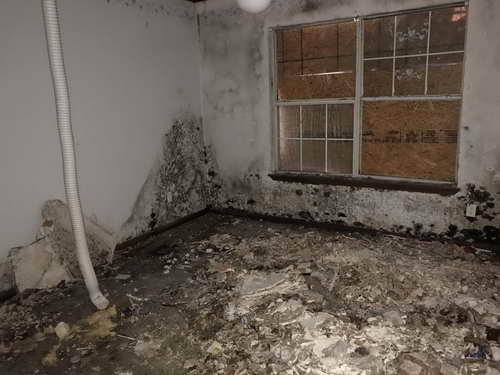
Plumbing leaks in Merritt Island homes often start small.
A slow drip under the kitchen sink. A loose supply line behind a washing machine. A minor pipe separation inside a wall. It doesn’t look dramatic. It doesn’t flood the room. But in Florida’s warm, humid coastal climate, even minor plumbing leaks can turn into mold problems quickly.
That’s why mold removal frequently becomes necessary after plumbing leaks in Merritt Island. It’s not about overreacting. It’s about understanding how moisture behaves in this environment — and how fast microbial growth can develop once materials stay damp.
Let’s take a practical look at why plumbing leaks in Merritt Island often lead to mold removal, and what property owners should know.
Why Plumbing Leaks Are Especially Risky in Merritt Island
Merritt Island sits between major bodies of water, creating steady humidity exposure year-round.
Homes here deal with:
- High coastal humidity
- Warm temperatures
- Salt-heavy air
- Frequent storm cycles
- Slab foundations
When plumbing leaks occur, they introduce liquid water into an already humid environment.
In drier climates, minor leaks may dry out naturally.
In Merritt Island, evaporation is slow.
That delay is what allows mold to develop.
How Moisture Spreads After a Plumbing Leak
Water from a plumbing leak doesn’t stay confined to one spot.
It can move:
- Into cabinet bases
- Behind drywall
- Along baseboards
- Beneath laminate or hardwood flooring
- Down wall cavities
- Across slab edges
Even a small leak under a sink can saturate drywall backing and insulation behind the cabinet wall.
Because these areas aren’t visible, moisture often remains undetected.
Within 24–72 hours, mold growth can begin.
The Most Common Plumbing Leak Areas
In Merritt Island homes, mold removal is often required after leaks involving:
- Kitchen sink supply lines
- Dishwasher connections
- Refrigerator water lines
- Bathroom vanity drains
- Toilet wax ring failures
- Washing machine hoses
- Water heater fittings
- AC drain line backups
In slab foundation homes, plumbing lines beneath the slab can leak slowly for weeks before detection.
By the time moisture surfaces, structural materials may already be saturated.
Why Surface Cleaning Isn’t Enough
Homeowners sometimes respond to a plumbing leak by:
- Wiping visible water
- Running fans
- Replacing cabinet panels
- Painting over stained drywall
While these steps address appearance, they don’t eliminate hidden contamination.
Mold growth often develops behind surfaces — inside wall cavities or under flooring.
Bleach or household cleaners do not penetrate porous materials like drywall and wood framing deeply enough.
If moisture isn’t fully removed and contaminated materials aren’t properly addressed, mold returns.
That’s when removal becomes necessary.
The Role of Humidity in Mold Development
Merritt Island’s climate accelerates microbial growth.
After a plumbing leak:
- Indoor humidity rises
- Damp materials absorb airborne moisture
- Warm temperatures speed colonization
Even if the active leak is repaired, elevated humidity may allow mold to continue spreading.
Proper mold removal must include both physical removal and humidity control.
Without stabilizing moisture levels, the problem recurs.
Slab Foundations and Plumbing Leaks
Many Merritt Island homes sit directly on slabs.
When plumbing leaks occur:
- Water can seep beneath flooring
- Moisture accumulates along slab edges
- Baseboards absorb dampness
- Vapor intrusion compounds the issue
Because slabs don’t allow airflow beneath them, moisture lingers.
Structural drying is often required before mold removal can be fully completed.
Ignoring slab-related moisture leads to recurring contamination.
Signs Mold Removal May Be Necessary
After a plumbing leak, homeowners should watch for:
- Musty odors
- Soft or swollen drywall
- Discoloration near baseboards
- Warped flooring
- Peeling paint
- Elevated indoor humidity
- Allergy-like symptoms when entering a room
Even if visible mold is minimal, moisture detection often reveals deeper saturation.
Early intervention reduces repair scope.
What Proper Mold Removal Involves
In Merritt Island plumbing leak cases, mold removal typically includes:
Moisture Detection
Measuring affected materials using specialized tools.
Containment
Isolating contaminated areas to prevent spore spread.
HEPA Air Scrubbing
Filtering airborne mold particles during removal.
Removal of Saturated Materials
Drywall, insulation, or cabinetry may require removal.
Structural Dryouts
Using air movers and dehumidifiers to restore safe moisture levels.
Surface Treatment
Applying anti-microbial solutions after cleaning.
Source Correction
Ensuring the plumbing issue is fully repaired.
Each step protects the home from recurring growth.
Skipping containment or drying increases long-term risk.
Lessons from Local Merritt Island Cases
Common patterns seen after plumbing leaks include:
- Slow leaks behind bathroom vanities leading to wall cavity contamination
- Refrigerator line failures spreading moisture beneath laminate flooring
- Water heater leaks saturating garage drywall
- Homes left closed during humid months after a leak
In several cases, visible damage appeared minor.
But moisture readings showed saturation extending into adjacent rooms.
Prompt mold removal prevented further spread and protected structural framing.
Delayed action required larger demolition areas.
Preventing Mold After Plumbing Repairs
After repairing a plumbing leak in Merritt Island, homeowners should:
- Monitor humidity levels (keep below 55%)
- Inspect adjacent walls and flooring
- Schedule a moisture evaluation
- Ensure proper drying before closing walls
- Maintain HVAC systems
Humidity control is just as important as leak repair.
Coastal moisture exposure never fully disappears.
Why Local Experience Matters
Mold behavior in Merritt Island differs from inland regions.
Professionals familiar with Brevard County understand:
- Coastal humidity patterns
- Slab vapor intrusion behavior
- Salt air moisture retention
- Construction styles common in Merritt Island
- Drying challenges unique to Florida
Accurate moisture mapping ensures mold removal addresses the full scope of contamination.
Inspections and More FL works with Merritt Island homeowners who need climate-aware mold removal strategies tailored to Florida’s coastal conditions.
When Mold Removal Becomes Necessary
Mold removal becomes necessary after plumbing leaks when:
- Materials remain damp beyond 24–48 hours
- Visible growth appears
- Musty odors persist
- Moisture readings remain elevated
- Structural materials are saturated
Plumbing leaks may seem small at first.
In Merritt Island’s humid coastal climate, they rarely stay that way.
With proper moisture detection, controlled structural drying, containment, and professional mold removal, homes can be restored safely and protected against recurring contamination — even after unexpected plumbing failures.
