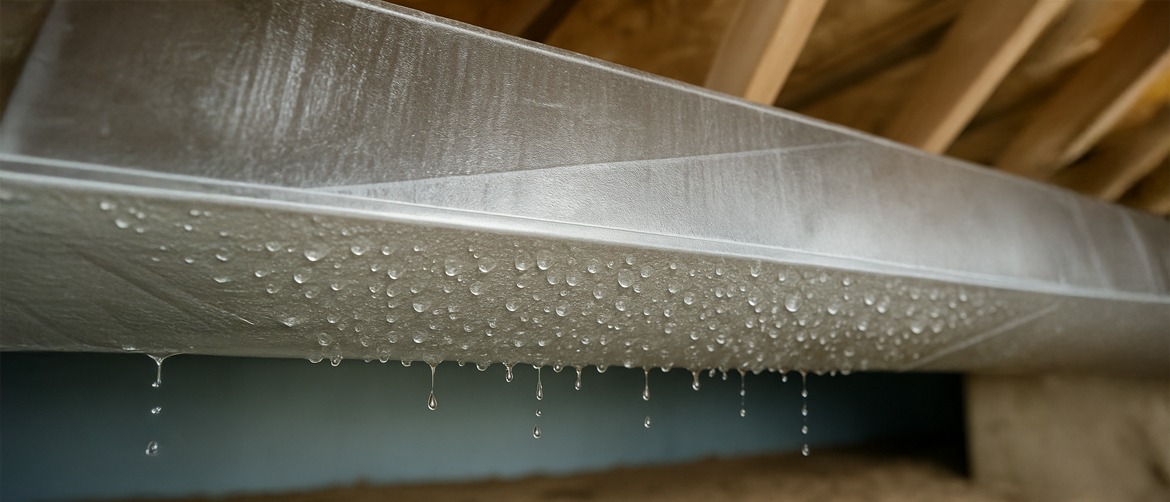
Why Mold Removal Becomes Necessary in Palm Bay When AC Condensation Becomes a Problem
In Palm Bay, air conditioning systems run hard for most of the year.
They cool the air, control humidity, and keep indoor environments comfortable during long stretches of heat. But when AC condensation becomes a problem, the very system designed to manage moisture can quietly create it.
In Florida’s humid coastal climate, condensation issues are one of the most common hidden sources of mold growth. And by the time homeowners notice something unusual, mold removal is often already necessary.
Let’s break down why this happens — and why it’s especially common in Palm Bay homes.
How AC Condensation Becomes a Moisture Source
Air conditioners remove humidity from indoor air as part of the cooling process. That moisture collects on evaporator coils and drains away through a condensate line.
But when something goes wrong, condensation doesn’t drain properly.
Common issues include:
- Clogged condensate drain lines
- Improperly sloped drain pans
- Cracked drain pans
- Dirty evaporator coils
- Poor insulation around ductwork
- Frozen coils that later thaw
When condensation overflows or drips where it shouldn’t, moisture begins accumulating in hidden areas.
In Palm Bay’s humidity, even small amounts of repeated moisture can lead to larger problems.
Why Florida’s Climate Makes It Worse
AC condensation issues occur everywhere. But in Palm Bay, the climate amplifies the consequences.
Year-Round Humidity
Outdoor humidity levels remain high for much of the year. When indoor condensation problems occur, materials are already exposed to elevated moisture conditions.
Drying becomes slower and less effective.
Long AC Run Times
In Florida heat, AC systems run for extended cycles. That increases the volume of condensation produced daily.
More condensation means more opportunity for drainage failures.
Warm Temperatures Accelerate Growth
Heat combined with moisture creates an ideal environment for mold development. Damp materials behind walls or in air handlers can begin developing contamination quickly.
The climate doesn’t give moisture time to evaporate naturally.
Where AC Condensation Problems Usually Appear
In Palm Bay homes, condensation-related moisture often develops in:
- Attic air handlers
- Interior closet HVAC units
- Around return air vents
- Inside ductwork
- Beneath slab foundations near air handler lines
- Behind drywall near AC lines
When condensate lines clog or overflow, water can travel along framing or pool inside wall cavities.
Many homeowners never see it until odors develop.
Early Warning Signs Homeowners Notice
Before visible mold appears, there are often subtle indicators.
Common signs include:
- Musty odors near vents
- Dampness around air handler closets
- Ceiling staining beneath attic units
- AC running longer than usual
- Increased indoor humidity
- Visible condensation on ducts
Because AC systems circulate air throughout the home, contamination from condensation issues can spread beyond the initial moisture zone.
That’s why mold removal becomes necessary in many cases.
Why Surface Cleaning Isn’t Enough
Some homeowners try to address the issue by:
- Cleaning visible spots with bleach
- Replacing stained drywall
- Flushing condensate lines without inspection
- Running portable dehumidifiers
The problem is that condensation-related moisture often affects hidden materials like insulation, framing, and duct interiors.
Bleach does not penetrate porous materials deeply. Replacing drywall without drying the framing behind it leaves moisture trapped.
Without correcting both the moisture source and hidden contamination, mold returns.
The Role of Professional Inspection
Proper mold removal begins with thorough detection.
In Palm Bay homes dealing with AC condensation issues, inspections often include:
- Visual HVAC system evaluation
- Moisture meter readings
- Thermal imaging scans
- Attic inspection
- Ductwork assessment
- Indoor humidity measurement
Thermal imaging identifies cooler zones that indicate trapped moisture inside walls or ceilings.
Moisture mapping determines how far condensation-related dampness has spread.
At Inspections and More FL, AC-related inspections in Palm Bay frequently uncover hidden moisture extending beyond the air handler itself.
When Mold Removal Becomes Necessary
If inspection confirms contamination, mold removal follows a structured process.
This typically includes:
1. Containment
Affected areas are isolated to prevent cross-contamination.
2. Air Scrubbing
HEPA air scrubbers capture airborne spores and particles.
3. Removal of Damaged Materials
Saturated insulation, drywall, or duct materials may need removal.
4. Structural Drying
Air blowers and commercial dehumidifiers dry framing and surrounding materials.
5. Anti-Microbial Treatment
Exposed surfaces may receive targeted treatment after cleaning.
6. Moisture Source Correction
Condensate lines are cleared, repaired, or redesigned to prevent recurrence.
Skipping any step often leads to ongoing problems.
Florida’s humidity makes thoroughness essential.
HVAC Systems as a Distribution Point
One of the biggest challenges with AC condensation problems is airflow.
If mold develops inside the air handler or duct system, spores can circulate throughout the home.
That’s why duct evaluation is often part of remediation.
Air must be cleaned and stabilized before normal operation resumes.
Prevention Tips for Palm Bay Homeowners
To reduce the risk of condensation-related mold:
- Have AC systems serviced annually
- Inspect condensate drain lines regularly
- Ensure drain pans are properly sloped
- Keep evaporator coils clean
- Monitor indoor humidity levels
- Inspect attic air handlers after heavy rain or peak summer use
Regular maintenance prevents small drainage issues from becoming structural concerns.
Why Local Experience Matters
Mold removal in Palm Bay requires understanding how Florida’s climate affects HVAC systems.
Local professionals know:
- How slab foundations retain moisture
- How attic heat increases condensation
- How coastal humidity slows drying
- How continuous AC operation impacts moisture levels
Interpreting moisture readings and designing effective remediation plans depends on this local environmental awareness.
Inspections and More FL approaches AC-related mold removal with Palm Bay–specific experience. That localized understanding leads to more accurate detection and long-term solutions.
Addressing the Problem Before It Spreads
AC condensation problems may start small. In Palm Bay’s climate, they rarely stay that way.
When moisture accumulates inside air handlers, ducts, or surrounding walls, mold removal often becomes necessary to restore stable indoor conditions.
If you’ve noticed musty odors near vents, ceiling staining near attic units, or unexplained humidity changes, a professional evaluation provides clarity about what’s happening inside your system.
In Florida, moisture control and HVAC performance are closely connected. Addressing condensation early protects both your home and your indoor environment long-term.