
Why Structural Dryouts Become Necessary in Merritt Island Under Hardwood Flooring
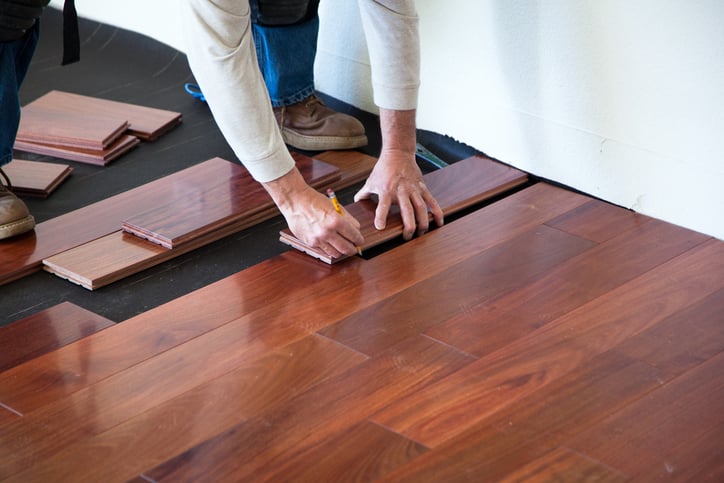
Hardwood flooring adds warmth and value to homes throughout Merritt Island. It’s durable, attractive, and well-suited for many interior spaces. But in Florida’s coastal climate, hardwood and moisture are not natural partners.
When water intrusion occurs beneath hardwood flooring — whether from a plumbing leak, roof failure, storm-driven rain, or slab vapor intrusion — the damage is often hidden at first. By the time boards begin to cup, buckle, or separate, moisture has usually been present for days or weeks.
In Merritt Island, structural dryouts become necessary in these situations because humidity, coastal air, and high water tables prevent materials from drying naturally. Addressing moisture beneath hardwood flooring quickly protects both the flooring system and the structural components underneath.
Understanding why structural dryouts are so important under hardwood in this coastal environment helps homeowners avoid long-term damage.
Why Hardwood Flooring Is Vulnerable to Moisture
Hardwood is a natural, porous material. It expands when it absorbs moisture and contracts as it dries.
In Merritt Island homes, moisture can reach hardwood flooring from several directions:
- Plumbing leaks in kitchens or bathrooms
- Appliance overflows
- Roof leaks traveling down wall cavities
- Slab moisture migrating upward
- Flooding from heavy rainstorms
- AC condensation issues
Because hardwood boards are tightly installed, even slight moisture absorption can create visible distortion.
Common signs include:
- Cupping (edges higher than the center)
- Crowning (center raised higher than edges)
- Buckling or lifting
- Gaps between boards
- Soft or spongy spots
By the time these signs appear, moisture is often present beneath the flooring.
Why Merritt Island’s Coastal Climate Makes It Worse
Merritt Island’s environment presents unique challenges for drying hardwood flooring.
Key factors include:
- High year-round humidity
- Frequent tropical storms
- Elevated groundwater levels
- Salt air exposure
- Warm temperatures
Even after a leak is repaired, moisture trapped under hardwood does not evaporate easily.
High ambient humidity slows evaporation. Concrete slabs beneath hardwood can remain damp. Subfloors may absorb and retain water.
Without controlled structural drying, moisture lingers — increasing the risk of mold growth and structural damage.
The Hidden Risk Beneath Hardwood Flooring
Hardwood flooring sits on top of either a wood subfloor or a concrete slab.
When water penetrates the surface, it often travels beneath the boards. Moisture may saturate:
- Plywood subfloors
- Concrete slabs
- Vapor barriers
- Adhesives
- Floor joists in elevated homes
Because these components are concealed, homeowners often underestimate the extent of moisture spread.
Drying only the visible surface is not sufficient.
Structural dryouts address the entire flooring system, not just the top layer.
When Structural Dryouts Become Necessary
In Merritt Island homes, structural dryouts under hardwood flooring are typically necessary when:
- A plumbing leak lasted more than a few hours
- Flooring shows visible distortion
- A roof leak affected adjacent walls
- Storm flooding reached interior spaces
- Humidity remained elevated for several days
- Moisture readings confirm damp subfloor materials
Even minor water events can require professional drying in Florida’s climate.
Waiting too long increases the risk of irreversible damage.
Why DIY Drying Often Fails
Homeowners often attempt to dry hardwood flooring by:
- Running ceiling fans
- Using household dehumidifiers
- Wiping surfaces dry
- Opening windows
In Merritt Island, opening windows often introduces more humid coastal air.
Household dehumidifiers lack the capacity to dry structural components beneath flooring.
Surface drying does not remove moisture trapped in subfloors or slab materials.
Incomplete drying can result in:
- Mold growth beneath boards
- Adhesive failure
- Permanent warping
- Persistent odors
Professional structural drying is designed to target hidden moisture.
How Professional Structural Dryouts Work
A proper structural dryout under hardwood flooring typically includes:
1. Moisture Detection
Moisture meters and thermal imaging identify affected areas and determine how far water has spread.
2. Controlled Environment Setup
Humidity levels inside the home are reduced using commercial-grade dehumidifiers.
3. Targeted Air Movement
Air movers are strategically positioned to encourage evaporation from beneath flooring.
4. Subfloor Drying Techniques
In some cases, drying mats or injection systems are used to direct airflow under hardwood boards.
5. Continuous Monitoring
Moisture levels are checked daily to ensure progress.
The goal is to bring all materials — hardwood, subfloor, and slab — back to safe moisture content levels.
In Merritt Island’s climate, this process requires careful control.
The Risk of Mold Beneath Hardwood
Moisture trapped under hardwood creates an ideal environment for mold development.
Subfloors and adhesives contain organic materials. When combined with Florida’s warmth and humidity, microbial growth can begin within 24–48 hours.
Because the growth is concealed beneath flooring, it often goes undetected until odors become noticeable.
Structural dryouts reduce moisture quickly, limiting mold risk.
Slab Foundations and Vapor Intrusion
Many Merritt Island homes are built on slab foundations. After heavy rain, soil beneath slabs can remain saturated.
Vapor pressure may push moisture upward into flooring systems.
Even without an active plumbing leak, slab vapor can cause hardwood expansion and adhesive failure.
Structural dryouts often include slab moisture testing to determine whether vapor intrusion is contributing to the issue.
Managing humidity is essential in coastal properties.
Long-Term Protection Strategies
Preventing moisture under hardwood flooring involves:
- Monitoring indoor humidity levels
- Maintaining HVAC systems
- Inspecting plumbing regularly
- Addressing leaks immediately
- Ensuring proper exterior drainage
- Scheduling moisture evaluations after storms
Maintaining indoor humidity below 55% helps reduce wood movement and mold risk.
In Merritt Island, proactive maintenance is especially important due to frequent storms and coastal moisture exposure.
Why Local Experience Matters
Drying hardwood flooring in Merritt Island is not the same as drying it in a dry climate.
Professionals familiar with:
- Coastal humidity cycles
- Slab foundation behavior
- Storm-related moisture patterns
- Florida construction methods
are better equipped to determine when structural dryouts are necessary.
Inspections and More FL works with properties throughout Merritt Island, focusing on comprehensive moisture detection and controlled drying strategies tailored to Florida’s coastal environment.
Local knowledge ensures that hardwood flooring systems are protected properly.
A Practical Next Step
If you notice cupping, buckling, or persistent humidity after a leak in your Merritt Island home, do not assume the flooring will correct itself over time.
Moisture beneath hardwood rarely resolves naturally in Florida’s climate.
Scheduling a professional evaluation ensures hidden moisture is identified and addressed before structural damage worsens.
Structural dryouts are not just about saving flooring — they protect subfloors, prevent mold growth, and preserve the long-term integrity of your home.
In Merritt Island’s coastal environment, proactive drying is the key to maintaining stable, beautiful hardwood floors for years to come.
