
Why Structural Dryouts Become Necessary in Sanford When AC Condensation Becomes a Problem
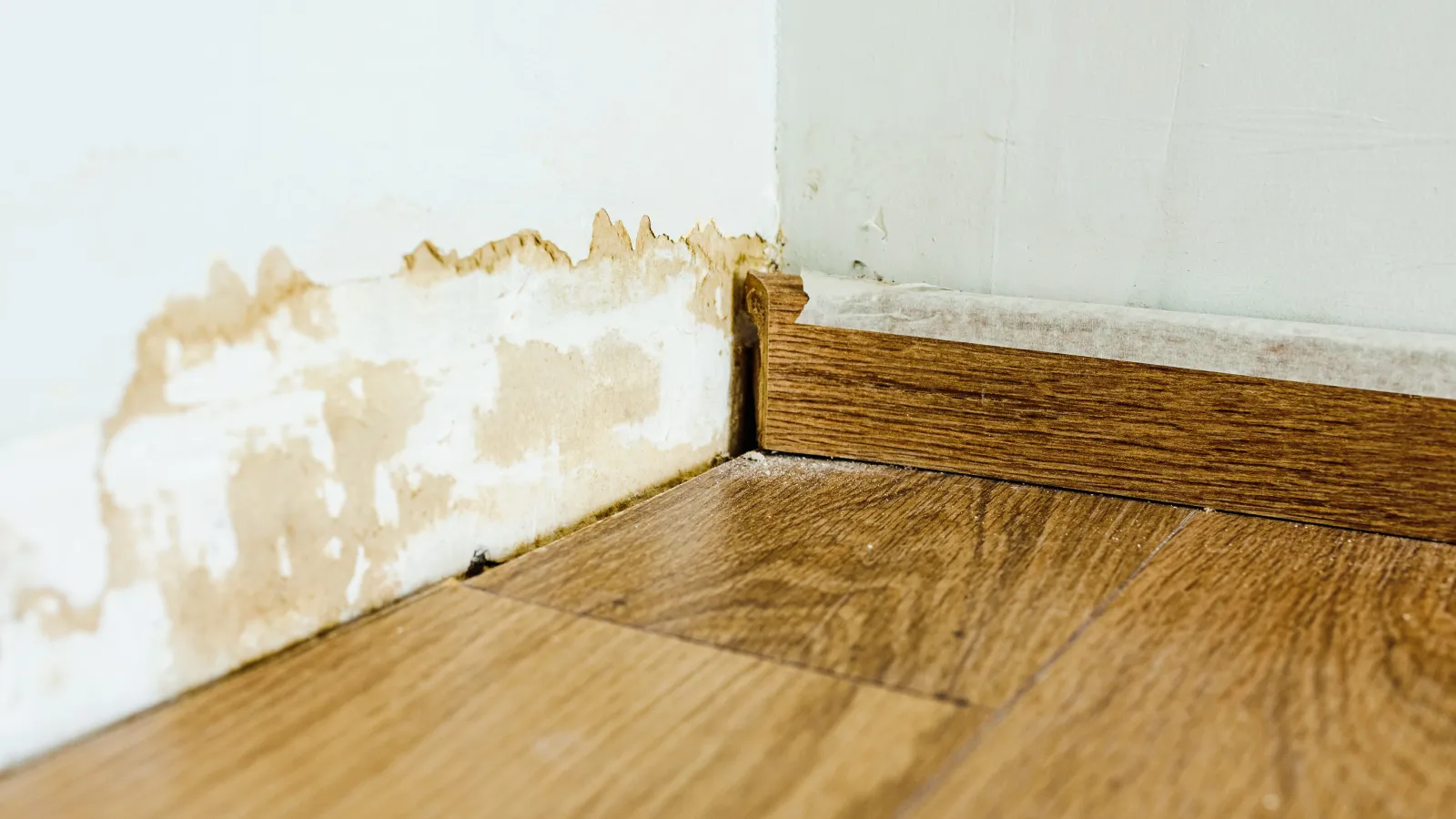
In Sanford, air conditioning systems run almost year-round. Between long humid summers and warm transitional seasons, AC units are constantly pulling moisture from the air. That process is normal. The problem begins when condensation doesn’t drain properly.
A clogged condensate line or cracked drain pan might seem minor at first. But in Florida’s humid climate, even small amounts of unmanaged condensation can quietly saturate drywall, insulation, framing, and flooring. When that happens, simple repairs aren’t enough. Structural dryouts often become necessary to protect the integrity of the home.
If you live in Sanford or surrounding Central Florida communities, understanding how condensation spreads — and why proper drying matters — can prevent long-term structural damage.
How AC Condensation Becomes a Structural Issue
Air conditioning systems naturally produce water. When warm, humid indoor air hits cold evaporator coils, condensation forms and drains away through a line connected to the exterior.
Problems arise when:
- The condensate line becomes clogged
- The drain pan rusts or cracks
- The line disconnects
- The system is improperly installed
- The unit short-cycles due to oversizing
When drainage fails, water collects and overflows.
In Sanford homes, this overflow often spreads into:
- HVAC closets
- Adjacent wall cavities
- Baseboards
- Subflooring
- Ceiling drywall (for attic units)
The moisture may not be dramatic, but it accumulates steadily.
Why Sanford Homes Are Especially Vulnerable
Sanford’s environmental conditions amplify condensation problems.
Persistent Humidity
Outdoor humidity remains elevated much of the year. AC systems produce more condensation as a result.
Warm Temperatures
Heat accelerates moisture absorption into drywall and wood framing.
Slab Foundations
Many homes in Sanford are slab construction. Water from AC overflow can migrate along slab edges and beneath flooring.
Limited Ventilation in Mechanical Closets
HVAC units are often placed in tight closets with limited airflow, trapping moisture.
These conditions make moisture linger longer than homeowners expect.
What Happens When Condensation Isn’t Dried Properly
When condensation spreads into building materials and isn’t fully dried, several things occur:
- Drywall softens
- Insulation absorbs water
- Wood framing retains moisture
- Indoor humidity rises
- Baseboards warp
- Flooring begins to buckle
Even after the condensate line is repaired, moisture remains embedded inside materials.
This is where structural dryouts become necessary.
Why Fixing the AC Alone Isn’t Enough
Clearing the clog or replacing a drain pan stops new water from forming. But it doesn’t address moisture already absorbed by the structure.
In Sanford’s humid environment, materials dry slowly on their own.
Without active drying:
- Moisture can remain trapped for weeks
- Indoor air stays damp
- Odors may develop
- Structural components weaken over time
Surface dryness does not guarantee that wall cavities and framing are dry.
Structural dryouts focus on restoring safe moisture levels inside the building envelope.
Signs a Structural Dryout May Be Needed
After an AC condensation issue, homeowners may notice:
- Persistent musty odor near HVAC areas
- Damp carpet or flooring
- Warped baseboards
- Ceiling staining
- Peeling paint
- Elevated indoor humidity
- AC running constantly
In many cases, moisture readings reveal hidden dampness behind walls even when surfaces feel dry.
Early evaluation makes a significant difference.
What a Structural Dryout Involves
A proper structural dryout is a controlled process designed to remove embedded moisture.
Step 1: Moisture Mapping
Use moisture meters and thermal imaging to identify affected areas.
Step 2: Controlled Access
Remove saturated insulation or small sections of drywall if necessary to allow airflow.
Step 3: High-Velocity Air Movers
Direct airflow across wet materials to accelerate evaporation.
Step 4: Commercial Dehumidifiers
Industrial units extract moisture from the air continuously.
Step 5: Monitoring
Daily moisture readings confirm that materials are drying properly.
Drying continues until moisture levels return to acceptable standards for Florida construction.
At Inspections and More FL, structural dryouts in Sanford homes are approached methodically to ensure the entire affected area is stabilized — not just the visible portion.
The Connection Between Structural Drying and Mold Prevention
Condensation provides consistent moisture.
If left unaddressed, damp materials can support microbial growth, especially in Florida’s warm climate.
Prompt structural drying:
- Reduces moisture quickly
- Stabilizes framing and drywall
- Minimizes odor development
- Protects indoor air quality
The goal is prevention through proper moisture control.
Hidden Areas Commonly Affected by AC Condensation
In Sanford homes, structural drying often focuses on:
- Wall cavities adjacent to air handlers
- Ceiling spaces below attic units
- Flooring near mechanical closets
- Baseboards and lower drywall
- Insulated ductwork areas
Without moisture detection tools, these areas are easy to overlook.
Thermal imaging helps confirm whether moisture has migrated beyond visible zones.
Long-Term Risks of Skipping Structural Dryouts
Ignoring condensation-related moisture can result in:
- Recurring wall stains
- Warped flooring
- Persistent humidity issues
- Degraded insulation performance
- Increased repair costs later
Sanford homes experience repeated humidity exposure. Even minor moisture issues can compound over time if not dried properly.
Preventing Future Condensation Problems
Preventive maintenance is key.
Clear Condensate Lines Regularly
Routine flushing prevents clogs.
Inspect Drain Pans
Check for rust or cracks.
Monitor Indoor Humidity
Maintain levels between 45–55%.
Service HVAC Systems Annually
Ensure proper sizing and drainage.
Schedule Moisture Evaluations After Leaks
Even minor overflow deserves inspection.
Routine inspections across Sanford and surrounding communities reduce the likelihood of structural drying emergencies.
Why Local Florida Experience Matters
Structural dryouts in Florida differ from dry-climate regions.
Sanford homes face:
- Persistent humidity
- Warm temperatures year-round
- Slab construction
- Heavy AC usage
Drying timelines and strategies must account for these environmental conditions.
Understanding how moisture behaves in Florida allows for more accurate drying plans and better long-term outcomes.
A Calm, Practical Next Step
If your Sanford home has experienced AC condensation overflow — even if it seemed minor — verifying structural dryness is a practical decision.
A professional evaluation can determine:
- Whether hidden moisture remains
- If a structural dryout is required
- Whether insulation or drywall was affected
- How to prevent recurrence
Inspections and More FL works with homeowners throughout Sanford, Cocoa, Palm Bay, Melbourne, and Merritt Island to evaluate condensation-related moisture using structured, Florida-specific methods.
AC systems are built to manage humidity. When condensation escapes that system, structural dryouts ensure your home stays protected beneath the surface.
