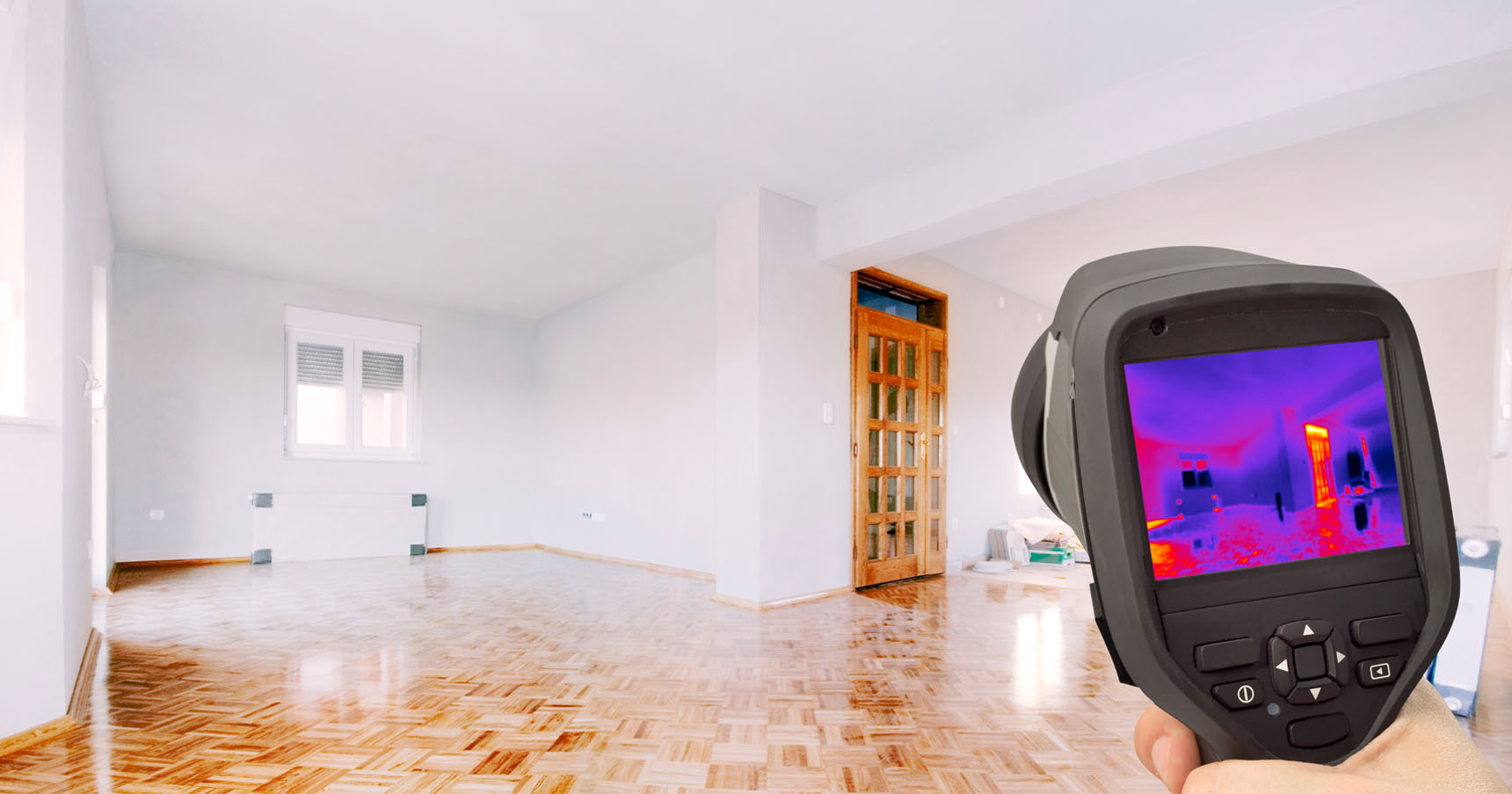
Why Thermal Imaging Inspections Become Necessary in Melbourne Waterfront Homes
Living in a waterfront home in Melbourne offers incredible views, direct access to the Indian River Lagoon, and a coastal lifestyle that draws many homeowners to Brevard County. But waterfront properties come with constant environmental pressure—humidity, salt air, wind-driven rain, and elevated groundwater levels.
Over time, those conditions can create hidden moisture problems inside the structure of the home. Often, the damage is not visible right away. Drywall may look intact. Flooring may appear stable. The roof may not show obvious failure. Yet moisture may already be trapped behind walls, inside attic insulation, or along slab edges.
This is where thermal imaging inspections become necessary—not as a luxury, but as a preventative measure.
In Melbourne waterfront homes, thermal imaging offers a non-invasive way to detect early warning signs of moisture before structural damage develops. Understanding why these inspections are important can help homeowners protect their property long term.
The Unique Environmental Pressure on Melbourne Waterfront Homes
Melbourne’s waterfront neighborhoods experience environmental stress that inland homes simply do not.
Constant Humidity Exposure
Homes near the Indian River Lagoon and Atlantic coastline are surrounded by moisture-rich air year-round. Even on clear days, humidity levels can remain elevated.
Salt Air Corrosion
Salt-laden air gradually weakens metal components such as:
-
Roof flashing
-
Fasteners
-
Window hardware
-
Exterior fixtures
As these materials deteriorate, small entry points for moisture develop.
Wind-Driven Rain
During storms, rain does not fall straight down. It moves sideways, forcing water into:
-
Window frames
-
Sliding glass door tracks
-
Exterior wall penetrations
-
Balcony transitions
Elevated Groundwater
Waterfront properties may experience rising groundwater levels after heavy rainfall, increasing moisture migration through slab foundations.
All of these factors increase the likelihood of hidden moisture.
Why Moisture in Waterfront Homes Is Often Hidden
Moisture problems in coastal homes rarely begin as dramatic flooding.
Instead, they tend to develop gradually through:
-
Minor roof leaks
-
Sealant failure around windows
-
Condensation from high indoor humidity
-
Ductwork sweating in attic spaces
-
Slab edge moisture migration
These issues may not create visible damage immediately. Instead, moisture spreads behind surfaces.
By the time staining or odors appear, the problem may have progressed.
What Thermal Imaging Inspections Actually Detect
Thermal imaging cameras detect temperature differences on surfaces.
They do not “see” water directly. Instead, they reveal temperature anomalies that may suggest:
-
Moisture behind walls
-
Insulation gaps
-
Air leaks
-
Condensation zones
-
Slab moisture patterns
Moist materials often appear cooler than dry materials due to evaporative cooling effects.
In waterfront homes, these subtle differences can signal early moisture intrusion.
Why Visual Inspections Alone Are Not Enough
Traditional inspections rely on visible damage.
However, in Melbourne waterfront homes:
-
Moisture can remain inside wall cavities without staining
-
Insulation can be damp without obvious signs
-
Roof decking can hold condensation without dripping
-
Subfloor systems can absorb moisture before flooring warps
Thermal imaging allows inspectors to scan large areas quickly and non-invasively.
This prevents unnecessary demolition while identifying suspect zones.
Common Waterfront Scenarios Where Thermal Imaging Is Necessary
1. After Hurricane Season
Even if a roof appears intact, wind-driven rain may have entered at flashing points.
Thermal imaging helps detect:
-
Moisture trails in attic decking
-
Damp insulation
-
Hidden ceiling moisture
2. When Musty Odors Appear
Odors in waterfront homes often indicate elevated moisture behind surfaces.
Thermal imaging can identify cooler wall sections that require further evaluation.
3. When Indoor Humidity Feels Difficult to Control
If air conditioning runs continuously yet humidity feels high, the structure itself may be holding moisture.
Thermal imaging reveals areas where moisture is reintroducing humidity into living spaces.
4. Before Renovation Projects
Waterfront homes undergoing remodeling benefit from thermal imaging to identify hidden moisture before closing walls or replacing flooring.
5. During Property Purchase or Sale
Proactive inspections provide confidence and reduce surprises in waterfront real estate transactions.
Step-by-Step: How a Thermal Imaging Inspection Is Conducted
Step 1: Establish Temperature Contrast
Thermal imaging requires temperature difference.
Professionals may:
-
Run air conditioning
-
Close doors and windows
-
Schedule inspections during optimal conditions
This enhances image clarity.
Step 2: Scan Exterior Walls
Waterfront-facing walls receive the most exposure.
Inspectors scan:
-
Window perimeters
-
Door thresholds
-
Wall transitions
-
Exterior light fixtures
Anomalies are marked for confirmation.
Step 3: Inspect Attic Spaces
Attics are high-risk zones in Melbourne.
Thermal imaging identifies:
-
Roof decking irregularities
-
Condensation patterns
-
Insulation voids
-
Ductwork moisture
Step 4: Evaluate Slab and Flooring Areas
Slab edges and floor perimeters are scanned for cooler zones that may suggest moisture migration.
Step 5: Confirm With Moisture Meters
Thermal findings are verified using moisture meters to confirm actual moisture presence.
This prevents false positives caused by simple temperature differences.
How Thermal Imaging Prevents Structural Damage
Early detection protects against:
Wood Rot
Roof decking and framing weaken when exposed to prolonged moisture.
Insulation Breakdown
Wet insulation loses efficiency and traps humidity.
Mold Growth
Mold develops when moisture persists inside hidden spaces.
Flooring Damage
Subfloor moisture can lead to hardwood cupping or tile adhesive failure.
Corrosion of Fasteners
Salt air combined with moisture accelerates metal deterioration.
By identifying problems early, repairs remain localized and less invasive.
Why Waterfront Homes Require More Frequent Evaluations
Environmental exposure never stops.
Thermal imaging inspections are especially valuable:
-
Annually after hurricane season
-
After major rain events
-
When replacing roof systems
-
If condensation appears regularly
-
If humidity feels abnormal
Proactive evaluation reduces long-term repair costs.
Challenges of Thermal Imaging in Coastal Florida
High humidity can reduce temperature contrast.
Reflective surfaces such as large glass windows can create misleading readings.
Active HVAC airflow may affect surface temperatures.
Interpreting results requires experience in Florida coastal environments.
Professionals familiar with Melbourne understand how to differentiate between humidity-driven temperature changes and actual moisture intrusion.
Companies such as Inspections and More FL emphasize careful confirmation of findings before recommending repairs.
Integrating Thermal Imaging Into a Long-Term Protection Plan
Thermal imaging should be part of a broader strategy that includes:
-
Roof inspections
-
Sealant maintenance
-
Window and door frame checks
-
HVAC servicing
-
Attic ventilation evaluation
-
Indoor humidity monitoring (45–55% recommended range)
Waterfront homes benefit from routine moisture awareness.
The Importance of Local Experience in Melbourne
Melbourne’s waterfront neighborhoods experience specific environmental pressures:
-
Lagoon-driven humidity cycles
-
Prevailing wind directions during storms
-
Salt corrosion patterns
-
Slab moisture behavior in waterfront lots
-
HVAC strain during peak summer humidity
Experience across Melbourne, Merritt Island, Palm Bay, Cocoa, and Sanford enhances diagnostic accuracy.
Local professionals understand how Florida’s coastal conditions influence moisture behavior.
A Practical Takeaway for Waterfront Homeowners
Thermal imaging inspections in Melbourne waterfront homes are not about finding problems—they are about preventing them.
In Florida’s humid coastal climate, moisture can remain hidden long before visible damage appears. Thermal imaging provides a non-invasive method to detect early warning signs and correct issues before structural deterioration occurs.
For waterfront homeowners, proactive moisture detection protects:
-
Structural framing
-
Roof systems
-
Flooring integrity
-
Indoor air stability
-
Long-term property value
Living on the water comes with environmental exposure. Regular thermal imaging inspections offer peace of mind—ensuring that hidden moisture does not quietly compromise the structure beneath the surface.