
Why Thermal Imaging Inspections Become Necessary in Merritt Island After Roof Failures
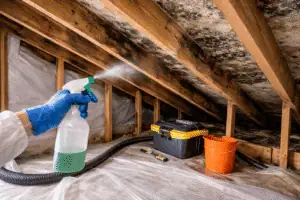
A roof failure in Merritt Island is more than an immediate leak—it’s a potential gateway for hidden moisture, structural damage, and mold growth. While water stains and visible leaks alert homeowners to obvious problems, the true extent of damage often remains invisible. That’s where thermal imaging inspections come in. These inspections use advanced technology to detect hidden water intrusion, insulation issues, and temperature anomalies, helping homeowners address problems before they escalate.
Florida’s coastal climate, high humidity, and frequent storms make Merritt Island homes particularly vulnerable. Roof failures, whether from hurricane damage, heavy rains, or aged materials, can allow water to penetrate deep into ceilings, walls, and insulation. Thermal imaging inspections provide a precise, non-invasive method to evaluate these hidden risks and guide effective repairs.
What the Issue Is
A roof failure can range from a small leak to significant structural compromise. Regardless of size, water intrusion can create several problems beneath the surface:
- Hidden moisture – Water can penetrate attic insulation, ceiling cavities, and wall framing without being immediately visible.
- Mold growth – Persistent moisture creates an ideal environment for mold, which can spread rapidly if unnoticed.
- Insulation saturation – Wet insulation loses its effectiveness, impacting energy efficiency and comfort.
- Structural weakening – Wood framing, roof decking, and subflooring may begin to deteriorate if water remains trapped.
Thermal imaging inspections detect these issues early, providing an accurate assessment before visible damage spreads.
Why This Happens So Often in Merritt Island
Several environmental and construction factors make roof failures particularly risky in Merritt Island:
- High Humidity – Even small leaks can allow moisture to linger in attics, walls, and ceilings.
- Coastal Storms – Hurricanes, tropical storms, and heavy rainfall drive water into compromised roofing systems.
- Older Roofing Materials – Many homes have aging shingles, flashing, or sealants, increasing vulnerability to leaks.
- High Water Table – Rising groundwater can exacerbate moisture problems in low-lying areas.
- Wind-Driven Rain – Water can be forced under roofing materials during strong winds, reaching areas far from the visible leak.
- AC Condensation – Roof failures often coincide with attic condensation, compounding moisture issues.
Combined, these factors make hidden water damage a common problem after roof failures in Merritt Island, reinforcing the need for thermal imaging inspections.
Common Signs Property Owners Notice
Even without advanced tools, some signs may indicate hidden water intrusion:
- Water stains on ceilings or walls – Often the first visible clue of roof leaks.
- Sagging or warped ceilings – Suggests water pooling above.
- Musty odors – Indicate potential mold growth in attics or wall cavities.
- Discolored insulation – Can signal saturation and reduced effectiveness.
- Increased energy bills – Waterlogged insulation reduces thermal efficiency.
While these signs are important, they only reveal part of the picture. Thermal imaging provides a more comprehensive view of moisture behind the surfaces.
Hidden or Overlooked Sources
Water from roof failures doesn’t always follow an obvious path. Some hidden or overlooked sources include:
- Behind walls and ceilings – Water travels along framing, saturating drywall and structural components.
- Attic insulation – Water can accumulate under layers of insulation, going unnoticed.
- Roof decking and plywood – Saturated decking weakens the roof structure.
- HVAC ducts – Water may infiltrate ducts or air handling areas in the attic.
- Previous repairs or patches – Improperly sealed repairs can redirect water into new areas.
Without thermal imaging, these hidden areas often remain undetected until significant damage occurs.
Why DIY Attempts Usually Fail
After a roof leak, many homeowners try to address the issue themselves with towels, fans, or small dehumidifiers. These efforts typically fail because:
- Surface-only drying – Fans may dry visible surfaces but leave attic insulation and framing saturated.
- No moisture mapping – Without thermal imaging or moisture meters, homeowners cannot see hidden water paths.
- Improper humidity control – Drying without dehumidifiers can prolong moisture exposure and worsen mold risks.
- Missed mold prevention – DIY methods often neglect treatment of hidden mold spores.
These limitations highlight the importance of professional thermal imaging inspections after roof failures.
Professional Thermal Imaging Inspections Explained
Thermal imaging inspections use infrared technology to detect temperature differences that indicate moisture presence. Here’s how the process works:
- Infrared Scanning – Professionals scan ceilings, walls, and attic spaces, identifying areas cooler than surrounding materials, which often indicate water saturation.
- Moisture Meter Verification – Infrared findings are cross-checked with pin or pinless moisture meters for accuracy.
- Insulation Assessment – Detects wet or uneven insulation that could reduce energy efficiency.
- Structural Evaluation – Identifies moisture in framing, roof decking, and support beams.
- Air Quality Testing – Evaluates for airborne mold spores that may result from roof leaks.
- Documentation – Provides detailed reports to guide repairs and insurance claims.
This technology allows homeowners to identify all affected areas without destructive testing, saving time, money, and materials.
How Thermal Imaging Protects Properties
Thermal imaging inspections safeguard Merritt Island homes by:
- Detecting hidden moisture early – Prevents minor leaks from developing into major structural issues.
- Guiding effective repairs – Ensures roofing and substructure repairs target all affected areas.
- Preventing mold growth – Early detection allows for timely remediation before spores spread.
- Protecting insulation and energy efficiency – Saturated insulation is identified and replaced if necessary.
- Supporting insurance claims – Detailed thermal reports provide proof of damage and guide restoration costs.
- Preserving indoor air quality – Reduces risk of musty odors, allergens, and health concerns associated with moisture.
For Merritt Island homeowners, this means peace of mind after storms and roof failures.
Proper Remediation & Moisture Control Process
After a thermal imaging inspection identifies moisture, a comprehensive remediation plan is implemented:
- Containment – Isolates affected areas to prevent mold spread.
- Drying and dehumidification – High-capacity equipment removes moisture from framing, insulation, and attic spaces.
- Air scrubbing – Captures airborne spores and particles.
- Anti-microbial treatment – Applied to prevent mold regrowth in hidden areas.
- Structural repairs – Includes replacing damaged roofing materials, insulation, or wood framing.
- Ongoing monitoring – Ensures moisture levels remain stable post-repair.
This approach ensures that homes are fully restored and protected against future roof-related moisture issues.
Preventive Measures for Merritt Island Homes
Thermal imaging is most effective when combined with proactive measures:
- Annual roof inspections – Identify weak spots before storms.
- Maintain gutters and downspouts – Ensures proper drainage away from roofs and foundations.
- Check attic ventilation – Prevents condensation buildup.
- Monitor AC systems – Condensation lines should be clear and properly directed.
- Install moisture sensors – Alerts homeowners to leaks early.
- Post-storm evaluations – Scan attics and ceilings immediately after hurricanes or heavy rainfall.
Together, these steps reduce the risk of hidden damage and extend the life of roofs and structural components.
Why Local Florida Experience Matters
Merritt Island’s coastal environment, storm patterns, and unique construction styles make local expertise critical:
- Humidity and storm knowledge – Professionals understand seasonal water intrusion patterns.
- Roofing construction familiarity – Knowledge of local materials and common failure points ensures accurate detection.
- Experience with coastal homes – Accounts for salt air, wind-driven rain, and high water table concerns.
- Efficient and accurate detection – Local experience allows for faster, more precise thermal inspections.
A company like Inspections and More FL provides the expertise necessary to ensure thermal imaging inspections are both thorough and actionable.
