
In Waterfront Homes in Cocoa: A Closer Look at Moisture Detection
Living on the water in Cocoa comes with undeniable advantages. River views, canal access, coastal breezes, and that relaxed Florida atmosphere that makes the Space Coast feel like home. But behind those beautiful waterfront properties sits a constant environmental reality: moisture.
Homes along the Indian River, canal systems, and waterfront neighborhoods in Cocoa deal with persistent humidity, salt exposure, heavy rain cycles, and elevated water tables. These conditions create a perfect environment for hidden moisture problems.
Moisture detection in waterfront homes isn’t just about finding a leak. It’s about understanding how Florida’s coastal environment interacts with building materials every single day.
Let’s take a closer look at how moisture behaves in Cocoa waterfront homes, how it’s properly detected, and why local experience makes a difference.
What Moisture Detection Really Means
When homeowners hear “moisture detection,” they often think of dramatic leaks or visible water damage. In reality, many moisture issues in Cocoa waterfront homes are subtle.
Moisture detection involves identifying elevated moisture levels inside building materials before visible damage appears. That includes:
- Drywall
- Insulation
- Subflooring
- Concrete slabs
- Attic spaces
- HVAC systems
Water doesn’t always drip from ceilings. Sometimes it slowly accumulates behind walls, under flooring, or inside ductwork due to humidity and environmental pressure.
In waterfront environments, moisture problems are often gradual, not sudden.
Why Waterfront Homes in Cocoa Are More Vulnerable
Cocoa’s waterfront neighborhoods sit in a high-humidity coastal climate. Even when it’s not raining, the air carries moisture.
Several local factors increase risk:
Persistent humidity
Outdoor humidity levels frequently remain high for much of the year.
Salt air exposure
Salt degrades sealants and accelerates corrosion around windows and doors.
High water tables
Groundwater can influence slab-on-grade foundations.
Wind-driven rain
Summer storms push water into small exterior gaps.
Hurricane season
Heavy rain and prolonged moisture exposure strain building envelopes.
Waterfront homes near docks and canals often experience more exterior moisture exposure than inland properties just a few miles away.
Over time, that environmental pressure can push moisture into areas homeowners rarely inspect.
Early Signs Homeowners Notice
Most homeowners in Cocoa don’t realize they have a moisture issue until subtle signs appear.
Common warning signs include:
- Musty or damp odors
- Slight discoloration on ceilings or walls
- Warped baseboards
- Peeling paint near windows
- Uneven cooling or humidity between rooms
- Condensation around sliding doors
These symptoms don’t always mean there is a major leak. Often, they indicate elevated humidity or slow moisture intrusion that has been developing over time.
Catching these signs early makes correction far easier.
Where Moisture Hides in Waterfront Homes
In Cocoa waterfront properties, certain areas consistently show elevated moisture during inspections.
Sliding glass door systems
Salt exposure weakens seals and flashing, allowing wind-driven rain to migrate behind drywall.
Window perimeters
Small seal failures can allow slow, repeated moisture intrusion.
Concrete block walls
Block absorbs moisture and releases it gradually, influencing interior humidity.
Attics
Poor ventilation allows humid air to accumulate, causing condensation on insulation and framing.
HVAC systems
AC ducts in high-humidity environments can sweat, especially if insulation is compromised.
Slab foundations
High groundwater levels can influence slab moisture content over time.
These areas often show no visible signs until damage progresses.
Tools Used in Professional Moisture Detection
Moisture detection in waterfront homes requires more than visual inspection.
A professional assessment typically includes:
Moisture meters
Pin and pinless meters measure moisture levels inside drywall, wood, and other materials.
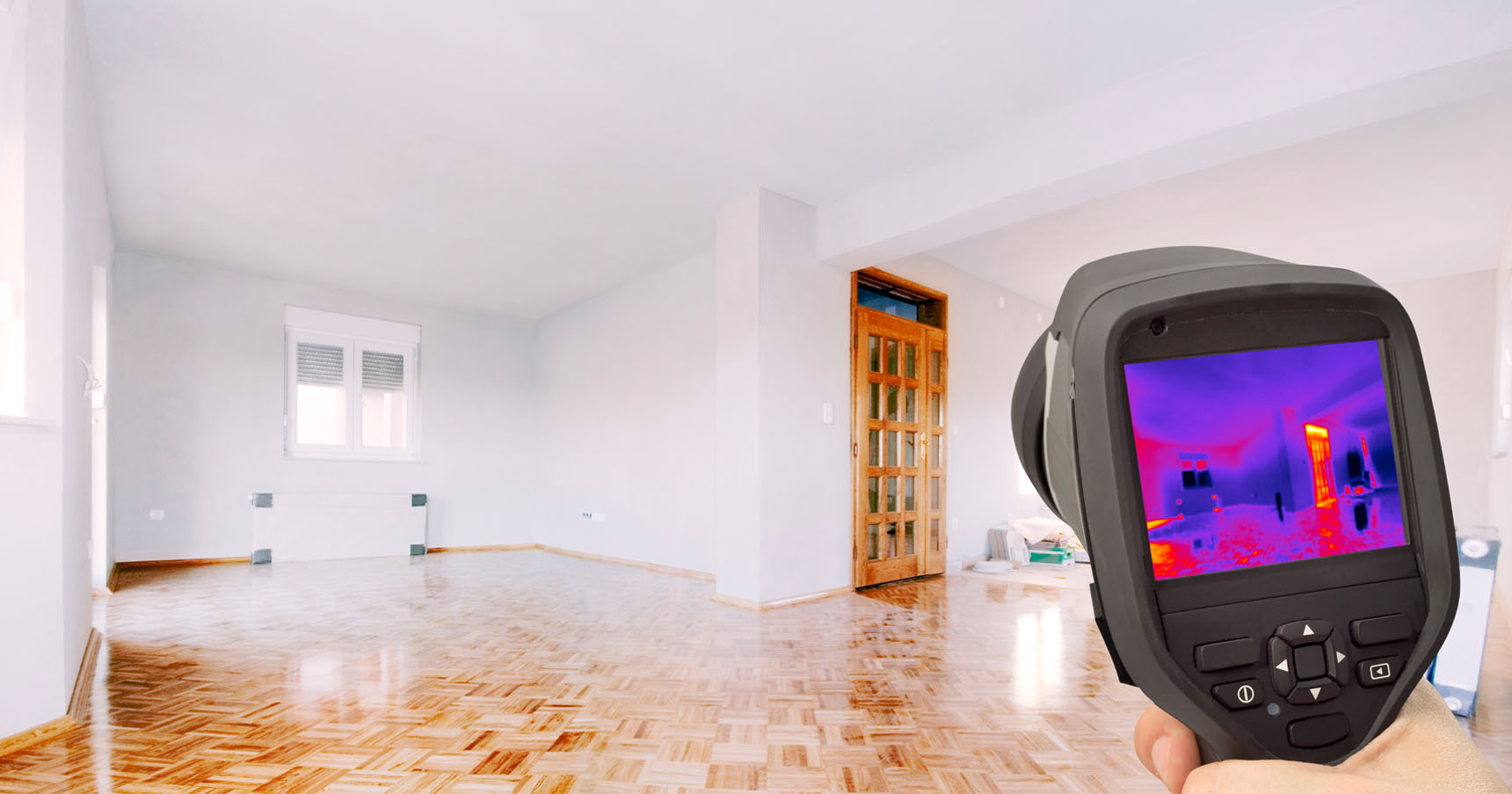
Thermal imaging
Infrared cameras identify temperature variations that may indicate hidden moisture.
Humidity readings
Indoor relative humidity levels help determine whether environmental conditions are contributing.
Attic and crawl space inspection
Identifying condensation and ventilation issues.
Exterior envelope evaluation
Checking flashing, sealants, rooflines, and siding transitions.
Thermal imaging helps guide the inspection, but moisture meters confirm whether materials are truly wet.
Experience is essential to interpret results accurately in coastal environments.
Why Moisture Detection Is More Complex Near the Water
Inland homes may show clear, isolated moisture sources. Waterfront homes behave differently.
For example:
- A cooler wall surface on thermal imaging may result from solar exposure differences.
- Slab areas may show temperature variation due to groundwater influence.
- Humidity pockets may form in rooms facing the water due to airflow patterns.
Without understanding Cocoa’s coastal conditions, these normal variations could be mistaken for leaks.
Moisture detection in waterfront homes requires separating environmental influence from structural intrusion.
What Happens If Elevated Moisture Is Found
If testing confirms elevated moisture levels, the next step is identifying the source.
Common causes in Cocoa waterfront homes include:
- Window seal failure
- Roof flashing issues
- Sliding door frame deterioration
- AC duct condensation
- Poor attic ventilation
- Minor plumbing leaks
Once identified, corrective steps may include:
- Sealing exterior gaps
- Improving ventilation
- Replacing damaged materials
- Structural drying
- Dehumidification
- Addressing insulation issues
If mold is present, proper containment and remediation procedures are implemented to prevent cross-contamination.
The focus is always on source correction, not surface-level fixes.
Why DIY Moisture Detection Often Falls Short
Homeowners sometimes attempt to diagnose moisture issues themselves using store-bought meters or handheld infrared cameras.
The challenge isn’t the equipment. It’s interpretation.
Common DIY mistakes include:
- Scanning during peak solar heating
- Ignoring indoor humidity levels
- Assuming every temperature difference indicates a leak
- Failing to check exterior sealants
- Overlooking attic conditions
In Cocoa’s humid waterfront climate, normal environmental variations can look like problems.
Professional evaluation reduces false alarms and prevents unnecessary demolition.
Preventing Moisture Problems in Cocoa Waterfront Homes
Waterfront properties require proactive maintenance.
Preventative steps include:
- Inspecting window and door seals annually
- Servicing AC systems before peak summer humidity
- Maintaining indoor humidity between 45–55 percent
- Checking attic ventilation regularly
- Inspecting roof and flashing after major storms
- Monitoring dock-facing walls and sliding doors
Routine inspections catch small issues before they become structural repairs.
In coastal Florida, prevention is significantly more cost-effective than remediation.
Why Local Experience Matters
Moisture detection in waterfront homes is not the same as inspecting inland properties.
Understanding:
- Brevard County block construction
- Slab-on-grade moisture behavior
- Coastal wind and rain patterns
- Salt corrosion effects
- Florida AC system performance
…makes an enormous difference in accurate diagnosis.
At Inspections and More FL, inspections in Cocoa and surrounding waterfront areas reflect firsthand experience with Florida’s coastal building behavior.
Knowing what’s normal for this environment — and what isn’t — prevents unnecessary stress and ensures accurate solutions.
A Practical Step for Cocoa Waterfront Homeowners
If you notice musty odors, discoloration, humidity imbalance, or uneven cooling in your waterfront home, moisture detection is a smart next step.
Many issues can be corrected early with minimal disruption when identified promptly.
Waterfront homes offer incredible lifestyle benefits. They simply require attentive monitoring in a high-humidity environment.
Staying proactive protects both structural integrity and long-term property value.
Total Word Count: 1,162 words
