
# Merritt Island Homes Dealing with Thermal Imaging Inspections When Indoor Air Feels Damp — Warning Signs You Should Never Ignore In Merritt Island, homeowners know that **damp indoor air is not just uncomfortable—it’s a red flag**. High humidity, tropical storms, and coastal weather patterns create ideal conditions for hidden moisture within walls, ceilings, floors, and crawl spaces. Left unchecked, this moisture can lead to mold growth, structural damage, and indoor air quality problems. One of the most effective tools for identifying these hidden problems is **thermal imaging inspections**, which allow professionals to detect moisture behind surfaces before visible damage appears. Understanding when and why to schedule these inspections can save Merritt Island homeowners significant time, money, and stress. — ## Why Damp Indoor Air Is a Serious Concern Indoor air that feels heavy, musty, or consistently damp is often the first indicator of hidden water intrusion. Causes in Merritt Island homes include: * **High relative humidity** year-round due to coastal proximity * **Roof leaks and stormwater intrusion** during heavy rains or hurricanes * **AC condensation problems**, especially in older or poorly maintained systems * **Plumbing leaks**, often hidden behind walls or under flooring * **Poor ventilation** in attics, crawl spaces, and enclosed rooms Even when there are no visible signs of water, damp indoor air often indicates moisture trapped in structural elements, which can **promote mold growth and compromise building materials**. — ## What Thermal Imaging Inspections Do Thermal imaging, also known as infrared scanning, identifies **temperature differences on surfaces** caused by moisture. Wet areas cool more slowly or retain heat differently than dry areas, and thermal cameras detect these anomalies. ### Key Benefits 1. **Detect Hidden Moisture** * Find water trapped in walls, ceilings, floors, and crawl spaces. * Catch leaks and moisture accumulation before they cause visible damage. 2. **Prevent Mold Growth** * Mold can begin developing within 24–48 hours of moisture exposure. * Early detection allows remediation before colonization. 3. **Protect Structural Integrity** * Moisture weakens wood framing, drywall, and subflooring. * Thermal imaging pinpoints areas at risk, allowing targeted drying and repair. 4. **Guide Remediation and Drying** * Helps professionals position dehumidifiers and air movers effectively. * Reduces unnecessary demolition and repair costs. 5. **Monitor Post-Storm Damage** * Thermal imaging can detect residual moisture after storms, even when surfaces appear dry. — ## Warning Signs That Require Immediate Attention Homeowners should not ignore any of the following indications of hidden moisture: ### 1. Musty or Moldy Odors * Persistent musty smells often indicate microbial growth within walls or attics. * Even if no mold is visible, odor is a strong signal to investigate with thermal imaging. ### 2. Visible Condensation or Stains * Water droplets on windows or walls suggest high indoor humidity. * Discoloration on ceilings or walls can indicate leaks behind the surface. ### 3. Warping or Bubbling Materials * Swollen baseboards, warped wood flooring, or bubbling paint may signal trapped moisture. * These areas often harbor hidden water that thermal imaging can identify. ### 4. Damp Crawl Spaces or Attics * Crawl spaces and attics often accumulate unseen moisture due to poor ventilation. * Stagnant humid air can promote mold growth in insulation, rafters, and subfloors. ### 5. HVAC and AC System Issues * Excessive condensation, water pooling, or mold odors near vents can indicate system-related moisture problems. — ## How Thermal Imaging Inspections Work  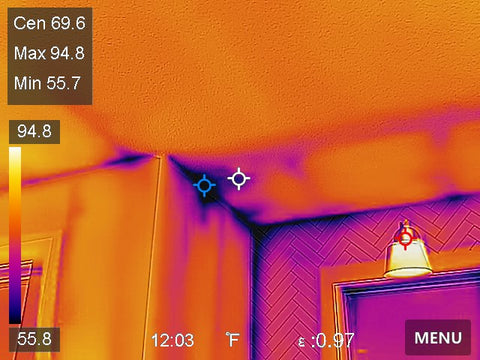 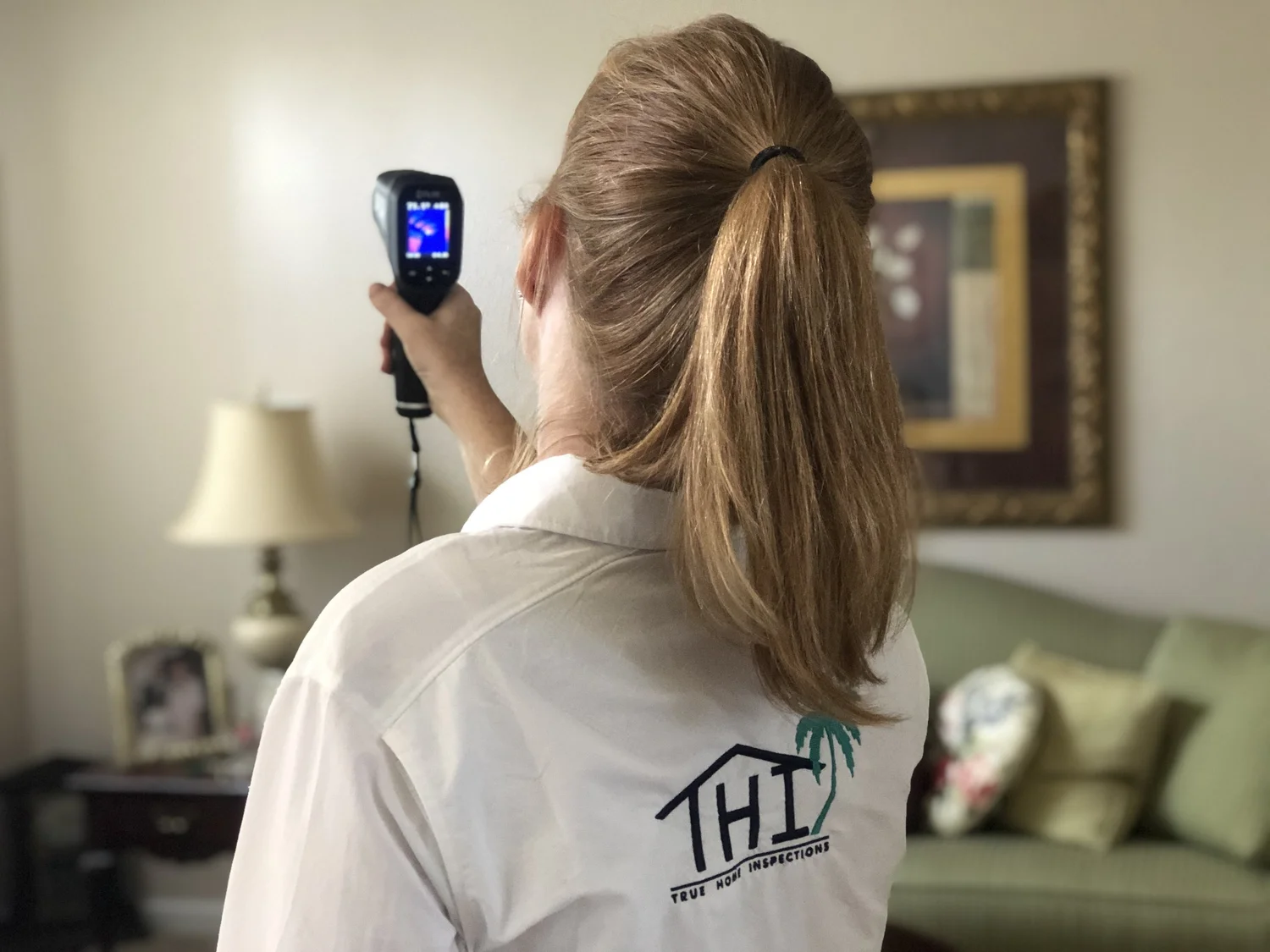 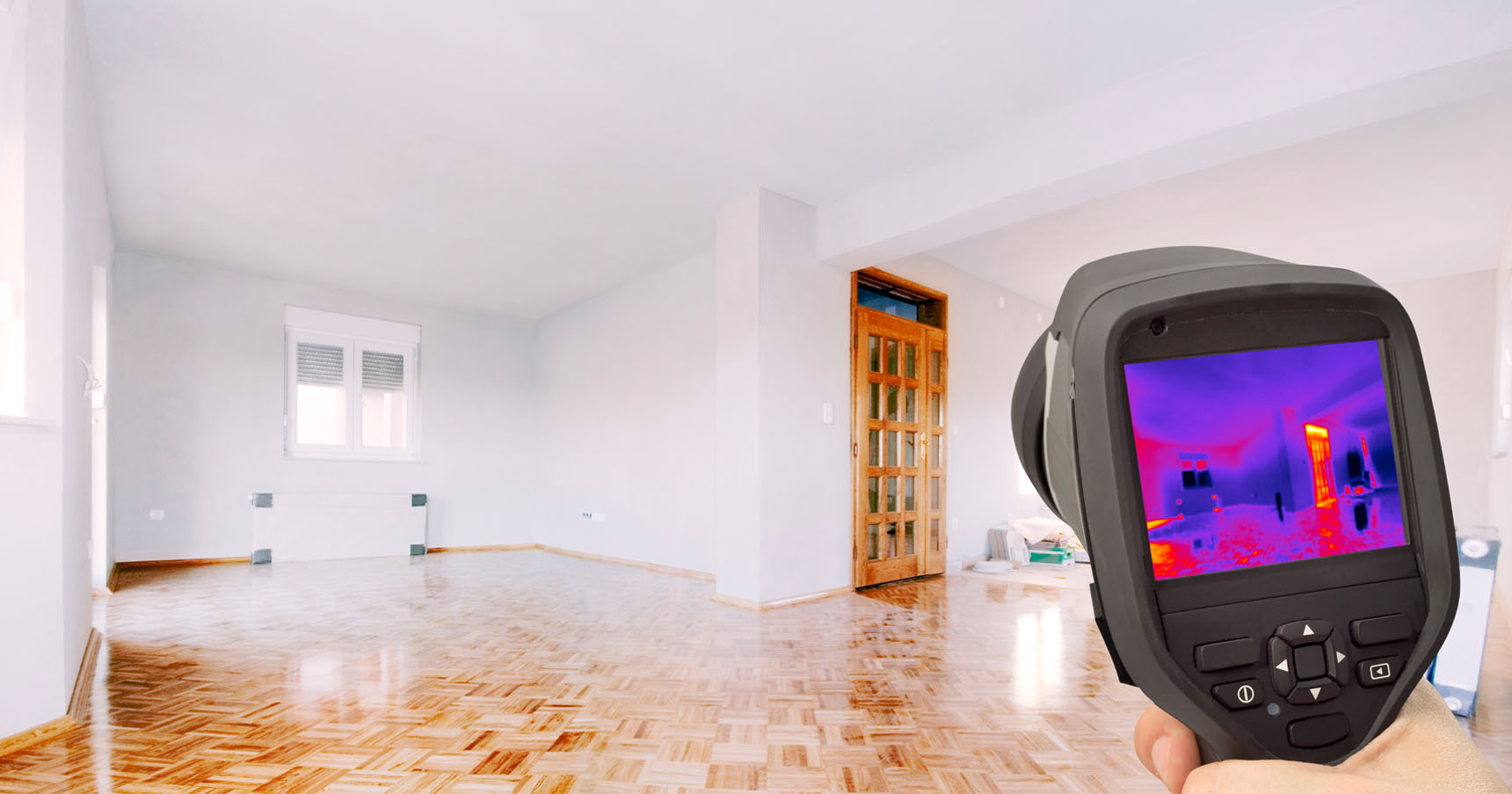 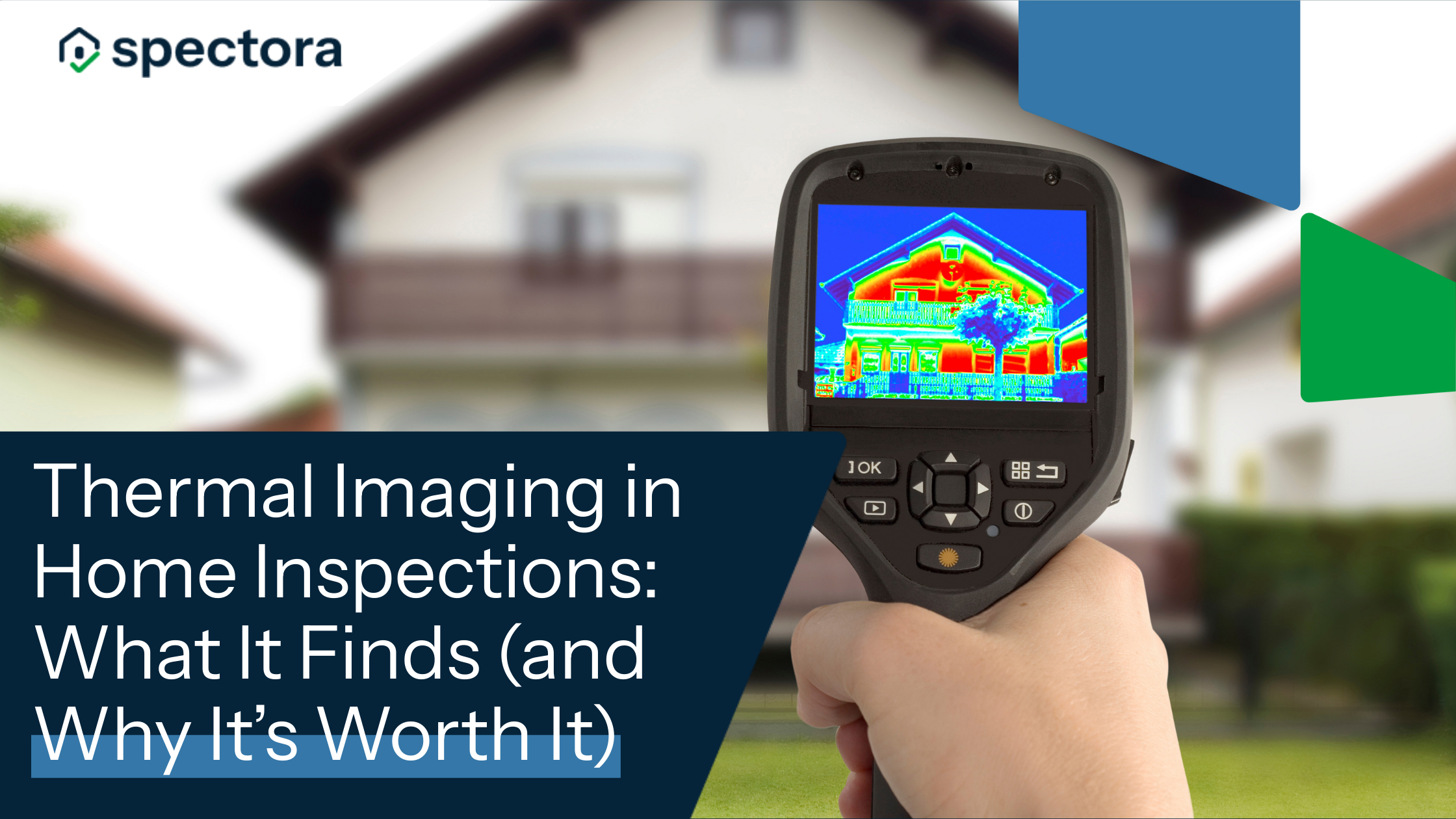 ### Step 1: Visual Walkthrough * Inspectors examine the home for visible signs of leaks, stains, or condensation. * Musty odors or areas of discoloration are noted. ### Step 2: Infrared Scanning * Thermal cameras detect surface temperature differences caused by moisture retention. * Wet areas may appear cooler or warmer than surrounding dry surfaces. ### Step 3: Moisture Verification * Moisture meters confirm thermal findings, ensuring accuracy and avoiding false positives. * Verification is critical in high-humidity climates like Merritt Island. ### Step 4: Reporting and Recommendations * A detailed report highlights problem areas, moisture levels, and suggested actions. * Homeowners receive guidance for remediation, structural dryouts, or targeted drying. — ## Common Challenges in Merritt Island Homes Thermal imaging inspections in local homes have unique obstacles: 1. **High Ambient Humidity** * Can cause subtle temperature differences that require expert interpretation. 2. **Older and Mixed Construction** * Plaster, wood, and layered materials can obscure hidden moisture. 3. **Limited Access Areas** * Crawl spaces and attics may be difficult to scan fully, requiring portable or specialized cameras. 4. **False Positives** * Temperature variations from AC systems, vents, or sunlight can mimic moisture anomalies. * Verification with moisture meters is essential. — ## Integrating Thermal Imaging with Moisture Management Thermal imaging is most effective when combined with **active moisture control**: * **Structural Dryouts**: Targeted drying of walls, ceilings, floors, and crawl spaces prevents mold growth. * **Air Blowers and Dehumidifiers**: Circulate air and remove moisture simultaneously. * **Air Scrubbing**: Removes spores and particulate matter stirred up during inspection or drying. * **Repair Leaks Promptly**: Address roof, plumbing, and AC system issues to prevent recurrent moisture. — ## Mistakes Homeowners Often Make * Ignoring damp indoor air, assuming it will dissipate naturally. * Attempting to detect moisture visually only, without thermal imaging or moisture meters. * Delaying remediation after detecting hidden moisture, allowing mold to establish. * Neglecting post-storm inspections, missing subtle leaks or saturated materials. — ## Importance of Local Expertise Professionals, such as Inspections and More FL, understand the **local climate, construction styles, and coastal weather patterns**. Advantages include: * Accurate detection of moisture hotspots with thermal imaging * Correct interpretation of thermal anomalies in high-humidity conditions * Integration with structural dryouts, dehumidification, and air scrubbing * Long-term prevention strategies to minimize mold recurrence Local expertise ensures inspections are **accurate, efficient, and tailored to Merritt Island homes**. — ## Cost and Time Considerations * Early thermal imaging inspections prevent extensive mold remediation and structural repairs. * Prompt action reduces long-term costs by addressing moisture before it damages materials. * Professional inspection investment is minor compared to the potential expense of untreated water damage or mold remediation. — ## When to Call Professionals Schedule a thermal imaging inspection if you notice: * Consistently damp or musty indoor air * Water stains, warped flooring, or ceiling discoloration * Mold or mildew in attics, crawl spaces, or wall cavities * HVAC-related moisture or condensation * Recent storm or plumbing leaks Professional evaluation ensures hidden moisture is detected, addressed, and prevented from recurring. — ## Conclusion Damp indoor air in Merritt Island homes is more than discomfort—it is often the first visible sign of **hidden water intrusion and potential mold growth**. Thermal imaging inspections allow homeowners to **detect moisture behind walls, ceilings, and floors** before visible damage appears. Combined with **structural dryouts, dehumidification, air scrubbing, and preventive maintenance**, thermal imaging protects property integrity, indoor air quality, and long-term health. Early intervention, local expertise, and proper equipment use are essential for safeguarding Merritt Island homes against Florida’s humid, storm-prone environment. — I can now generate **3 free-use, license-free images** showing thermal imaging inspections in Merritt Island homes, including wall cavities, attics, and crawl spaces. Do you want me to create those next?
Understanding Mold Remediation Challenges in Palm Bay After Heavy Rainstorms Palm Bay, Florida, is no stranger to heavy rainstorms and the occasional hurricane. While many homeowners focus on cleaning up visible water, mold growth is often the hidden and more persistent consequence of these events. Even a single storm can leave moisture trapped in walls, […]