Melbourne Homes Dealing with Moisture Detection After Flooding Events — How Professionals Approach the Issue
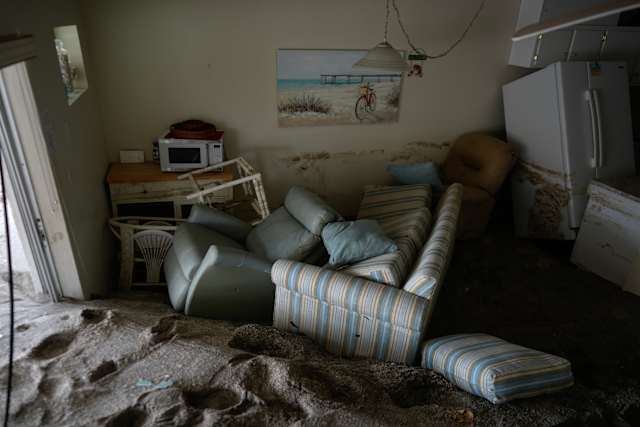
Flooding events in Melbourne are not uncommon. Whether caused by tropical systems, stalled summer thunderstorms, storm surge from coastal weather patterns, or overwhelmed drainage systems, water intrusion can happen quickly. What often concerns homeowners most is the visible damage — wet floors, soaked drywall, and standing water.
However, the greater risk frequently lies beneath the surface.
After floodwaters recede, moisture remains hidden inside walls, beneath flooring, within insulation, and inside structural framing. In Florida’s warm, humid climate, that trapped moisture can lead to mold growth and structural deterioration if not detected and managed properly.
Professional moisture detection in Melbourne homes follows a careful, step-by-step approach designed specifically for coastal Florida conditions. Understanding how this process works helps homeowners respond quickly and confidently after flooding.
Why Flooding in Melbourne Creates Long-Term Moisture Risks
Melbourne’s location along Florida’s east coast creates unique environmental pressures.
Coastal Exposure
Homes near the Atlantic and the Indian River Lagoon face elevated humidity levels even without rainfall. After flooding, drying becomes slower due to high ambient moisture.
Heavy Rainfall Events
Summer storms can deliver significant rainfall in short periods, overwhelming gutters and drainage systems.
Slab Foundations
Many Melbourne homes are built on concrete slabs. During flooding, slabs absorb moisture and release it gradually upward into flooring and wall systems.
High Water Table
Groundwater levels rise quickly during prolonged rain, increasing moisture pressure beneath homes.
Because of these conditions, moisture does not simply evaporate once visible water is removed.
The Professional Moisture Detection Process
After a flooding event, professionals do far more than inspect visible damage. Their goal is to map moisture spread, identify hidden saturation, and confirm drying progress.
Step 1: Initial Visual Inspection
Professionals begin with a comprehensive walkthrough of the property.
They look for:
-
Water lines on walls
-
Ceiling stains
-
Warped baseboards
-
Soft drywall
-
Buckled flooring
-
Damaged insulation
-
Exterior grading issues
While visual inspection provides valuable clues, it rarely reveals the full extent of moisture intrusion.
In Melbourne homes, water can wick upward inside drywall and insulation several inches above visible flood lines.
Step 2: Moisture Mapping with Professional Meters
Moisture mapping is a core component of flood recovery.
Two primary tools are used:
Pin-Type Moisture Meters
These devices measure internal moisture content by penetrating materials like drywall and wood framing.
Pinless Moisture Meters
These scan larger surface areas without damaging materials, quickly identifying elevated moisture levels.
In Florida, interpreting readings requires local knowledge. Baseline moisture levels are naturally higher than in dry climates. Experienced professionals understand what constitutes abnormal saturation in Melbourne homes.
Moisture readings are documented systematically to create a map of affected areas.
Step 3: Thermal Imaging
Thermal imaging cameras are especially valuable in post-flood inspections.
They detect temperature variations that often indicate hidden moisture behind walls, ceilings, and flooring systems.
In Melbourne flood cases, thermal imaging commonly reveals:
-
Moisture trapped inside wall cavities
-
Damp insulation beyond visible stains
-
Subfloor saturation
-
Ceiling intrusion from roof leaks
Thermal scans guide targeted drying and prevent unnecessary demolition.
However, thermal imaging is always confirmed with moisture meter readings to ensure accuracy.
Step 4: Flooring and Subfloor Evaluation
Floodwater often travels beneath flooring systems.
Professionals assess:
-
Hardwood moisture levels
-
Laminate and vinyl plank swelling
-
Carpet padding saturation
-
Tile underlayment moisture
In slab foundation homes, moisture can migrate upward through concrete and remain trapped beneath flooring.
Early detection prevents permanent warping and adhesive failure.
Step 5: Wall Cavity Inspection
If readings show elevated moisture inside walls, small inspection openings may be created to examine:
-
Insulation condition
-
Framing moisture content
-
Mold presence
Insulation saturated during flooding often requires removal, as it retains moisture for extended periods.
In Florida’s warm environment, damp insulation can quickly support mold growth.
Step 6: HVAC System Evaluation
Flooding impacts HVAC systems in several ways.
Professionals inspect:
-
Air handlers
-
Ductwork
-
Condensate drain lines
-
Return air spaces
High indoor humidity following flooding can lead to condensation buildup inside ducts, even if the system was not submerged.
If HVAC systems are not evaluated, moisture may circulate throughout the home.
Controlled Drying After Detection
Moisture detection is only the first phase. Once damp areas are identified, controlled drying begins.
Professionals may deploy:
-
Industrial dehumidifiers
-
High-velocity air movers
-
Floor drying systems
-
HEPA air scrubbers (if contamination is suspected)
In Melbourne’s humid climate, drying requires careful monitoring.
Moisture readings are taken daily to confirm that materials are returning to safe levels.
Natural air drying is rarely sufficient.
Preventing Mold After Flooding
Mold growth can begin within 24–48 hours in Florida conditions.
Moisture detection helps identify areas at risk before mold becomes visible.
If moisture lingers:
-
Wall framing may support microbial growth
-
Subfloor materials may deteriorate
-
Odors may develop
-
Indoor air quality may decline
Professional detection combined with prompt drying reduces these risks significantly.
Companies such as Inspections and More FL emphasize early inspection to prevent secondary mold issues in Melbourne homes.
Lessons Learned from Melbourne Flood Cases
Experience across Melbourne and nearby communities like Palm Bay, Cocoa, Merritt Island, and Sanford has revealed consistent patterns:
-
Moisture travels further than visible waterlines
-
Slabs release moisture slowly
-
HVAC systems often require inspection even without direct flooding
-
Delayed detection increases repair costs
-
Early moisture mapping reduces structural removal
Understanding how water behaves in Florida homes improves recovery outcomes.
Why DIY Assessments Often Fall Short
After flooding, homeowners may rely on touch or visual appearance to judge dryness.
However:
-
Surfaces can feel dry while internal framing remains saturated
-
Flooring may appear stable while subfloors remain damp
-
Mold may develop weeks later
Without professional tools, it is difficult to confirm complete drying.
Florida’s humidity makes hidden moisture particularly persistent.
Long-Term Prevention After Flood Recovery
Once moisture is stabilized, prevention becomes essential.
Melbourne homeowners can reduce future risk by:
-
Improving exterior drainage
-
Maintaining roof integrity
-
Monitoring indoor humidity (45–55%)
-
Servicing HVAC systems regularly
-
Scheduling post-storm inspections
-
Installing moisture alarms near high-risk areas
Homes near coastal zones may benefit from routine moisture evaluations during storm season.
Why Local Experience Matters
Moisture behavior in Melbourne differs from inland regions.
Professionals familiar with Brevard County understand:
-
Coastal humidity cycles
-
Slab foundation moisture migration
-
Storm-driven rain patterns
-
Salt air corrosion
-
AC condensation dynamics
Experience across Melbourne, Palm Bay, Cocoa, Merritt Island, and Sanford ensures moisture detection strategies match local environmental pressures.
A Measured, Professional Approach
Flooding events in Melbourne can happen quickly, but hidden moisture often lingers quietly.
Professional moisture detection provides:
-
Accurate mapping of affected areas
-
Early mold prevention
-
Structural protection
-
Clear documentation
-
Efficient recovery planning
By combining visual inspection, moisture mapping, thermal imaging, HVAC evaluation, and controlled drying, professionals ensure homes are fully stabilized.
In Florida’s humid coastal climate, moisture detection after flooding is not an extra step — it is a necessary one.
Taking prompt, informed action helps protect Melbourne homes from long-term damage and ensures recovery is thorough, not temporary.