How Air Scrubbing Protects Properties in Melbourne Crawl Spaces
Crawl spaces are often overlooked in Melbourne homes, especially when everything inside the living area appears dry and comfortable. But in Florida’s humid coastal climate, what happens beneath the structure can significantly impact the health, stability, and longevity of the property above.
Melbourne experiences long humid seasons, frequent summer thunderstorms, and heavy rainfall during storm season. When moisture enters a crawl space — whether from groundwater, poor drainage, condensation, or plumbing leaks — the air below the home can quickly become saturated. In enclosed areas like crawl spaces, stagnant, moisture-heavy air creates ideal conditions for mold growth.
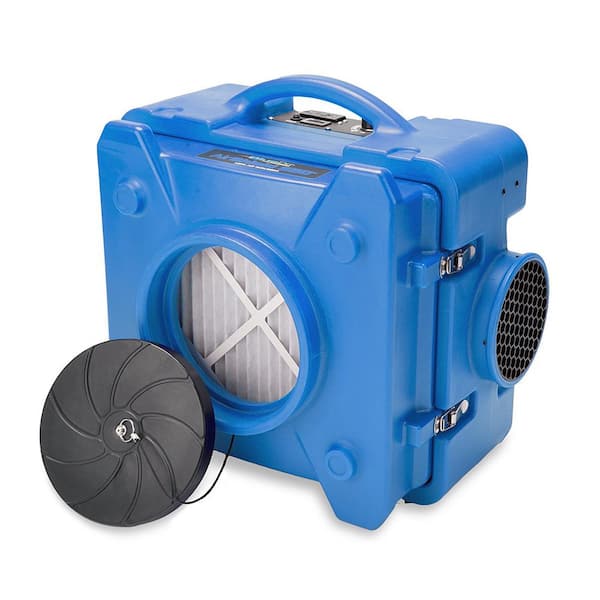
Air scrubbing plays a crucial role in protecting Melbourne properties during crawl space remediation and moisture control efforts. It is not simply about cleaning the air — it is about controlling airborne contamination, protecting structural materials, and preventing mold from spreading into living areas.
Understanding how air scrubbing works in crawl spaces helps homeowners appreciate why it is often necessary in Florida homes.
Why Crawl Spaces in Melbourne Are Vulnerable
Crawl spaces behave differently than slab or elevated foundation homes. In Melbourne’s environment, several conditions increase moisture risk beneath the home.
High Humidity Year-Round
Melbourne’s coastal location near the Atlantic and Indian River Lagoon keeps ambient humidity levels elevated for much of the year. Moist outdoor air enters crawl spaces through foundation vents and gaps.
Heavy Rain and Storm Season
During prolonged rain events, soil becomes saturated. Water may seep into crawl spaces through foundation walls or accumulate beneath vapor barriers.
Poor Drainage
Improper grading around the home can direct water toward the foundation. Even minor pooling can increase crawl space humidity.
Plumbing Leaks
Small leaks beneath bathrooms or kitchens often go unnoticed for extended periods in crawl spaces.
Because crawl spaces are enclosed and naturally cooler than the outside air, humid air condenses easily on framing and subfloor materials.
How Mold and Contaminants Develop in Crawl Spaces
Crawl spaces contain organic building materials such as:
-
Wood joists
-
Subfloor panels
-
Support beams
-
Paper-backed insulation
When humidity remains elevated or surfaces become damp, mold can begin developing within 24–48 hours.
Mold growth in crawl spaces may appear as:
-
Dark spotting on wood framing
-
White film on subflooring
-
Musty odors
-
Insulation deterioration
As mold grows, spores are released into the air. Because crawl spaces are not sealed airtight from the home above, contaminated air can migrate upward.
The Stack Effect: Why Crawl Space Air Rises
In Florida homes, warm air rises naturally. This creates a phenomenon known as the “stack effect.”
Air from the crawl space can move into living areas through:
-
Floor penetrations
-
Electrical and plumbing openings
-
HVAC duct systems
-
Gaps in subflooring
This means that mold contamination in a crawl space can directly impact indoor air quality upstairs.
Air scrubbing is designed to interrupt this cycle by capturing airborne particles before they migrate.
What Air Scrubbing Actually Does
Air scrubbers are high-efficiency filtration systems equipped with HEPA filters capable of capturing microscopic particles.
In crawl spaces, air scrubbers:
-
Remove airborne mold spores
-
Reduce dust and debris
-
Capture microbial fragments
-
Support containment during remediation
-
Improve overall air stability
HEPA filtration can capture particles as small as 0.3 microns.
Air scrubbing is particularly important during mold remediation because disturbing contaminated materials releases spores into the air.
When Air Scrubbing Becomes Necessary in Crawl Spaces
Air scrubbing is often recommended in Melbourne crawl spaces during:
Mold Remediation
When contaminated insulation or framing is removed, spores become airborne. Air scrubbers prevent those spores from spreading into living areas.
After Flooding or Heavy Rain
Standing water or high humidity can disturb settled debris. As the space dries, particles enter the air.
Persistent Musty Odors
Lingering odors often indicate airborne microbial presence.
Encapsulation Projects
During crawl space encapsulation, air scrubbing stabilizes air quality while surfaces are treated.
Air scrubbing supports both immediate cleanup and long-term prevention.
The Professional Air Scrubbing Process in Crawl Spaces
Air scrubbing in crawl spaces follows a structured approach.
Step 1: Moisture Correction
Before air scrubbing begins, professionals address moisture sources:
-
Improve drainage
-
Repair plumbing leaks
-
Install or repair vapor barriers
-
Deploy dehumidifiers
Without moisture control, air scrubbing alone is ineffective.
Step 2: Containment
If contamination is significant, containment barriers prevent cross-contamination.
Negative air pressure systems may be used.
Step 3: HEPA Filtration
Air scrubbers operate continuously during remediation, capturing airborne spores and debris.
Step 4: Monitoring
Humidity and particulate levels are monitored to ensure stabilization.
Step 5: Final Air Stabilization
Air scrubbing continues after cleaning to reduce residual airborne contamination.
Companies such as Inspections and More FL often integrate air scrubbing with crawl space remediation to ensure comprehensive protection.
How Air Scrubbing Protects Structural Integrity
While air scrubbing primarily addresses airborne contamination, it indirectly protects structural components by:
-
Reducing spore settlement on cleaned surfaces
-
Preventing recontamination during remediation
-
Supporting controlled drying
When spores are removed from circulation, the risk of regrowth decreases — especially in areas that have been cleaned and dried.
Protecting Indoor Air Quality Above the Crawl Space
Because air naturally rises from crawl spaces into living areas, air scrubbing helps protect:
-
Bedrooms and living rooms
-
HVAC systems
-
Flooring systems
-
Overall air comfort
Homeowners often report improved air freshness after crawl space remediation and air scrubbing.
Why Dehumidification Must Work Alongside Air Scrubbing
Air scrubbing does not remove moisture. It removes particles.
In Melbourne’s humid climate, effective crawl space protection requires:
-
Industrial dehumidifiers
-
Proper vapor barriers
-
Sealed vents when appropriate
-
Drainage improvements
Air scrubbers work alongside these measures to maintain a stable environment.
Without humidity control, airborne mold spores may redevelop even after filtration.
Slab vs. Crawl Space Considerations
Unlike slab foundation homes common in Palm Bay and Sanford, crawl space homes in Melbourne have open areas beneath flooring systems.
This increases:
-
Exposure to ground moisture
-
Air exchange with outdoor humidity
-
Risk of airborne contamination
Air scrubbing is especially valuable in crawl spaces because of this direct air pathway into living areas.
Preventing Recurring Crawl Space Contamination
Melbourne homeowners can reduce future risk by:
-
Monitoring crawl space humidity
-
Ensuring vapor barriers remain intact
-
Keeping drainage systems clear
-
Scheduling inspections after heavy storms
-
Servicing HVAC systems regularly
Homes closer to coastal areas may require more frequent evaluations due to elevated humidity.
Why Local Experience Matters
Melbourne’s climate presents specific challenges:
-
Coastal humidity patterns
-
Storm intensity
-
Salt air effects on materials
-
Groundwater fluctuations
-
Florida building materials
Professionals familiar with Melbourne, Palm Bay, Cocoa, Merritt Island, and Sanford understand how moisture behaves differently in crawl spaces compared to drier climates.
This local knowledge improves air scrubbing effectiveness.
A Protective Step for Long-Term Stability
Air scrubbing in Melbourne crawl spaces is not simply about filtration. It is about protecting the home from the inside out.
By capturing airborne mold spores and supporting remediation efforts, air scrubbing helps:
-
Stabilize indoor air quality
-
Protect structural wood
-
Prevent cross-contamination
-
Reduce recurring mold growth
-
Improve overall home comfort
In Florida’s humid coastal environment, crawl spaces require consistent moisture management and air quality control.
When integrated into a comprehensive remediation and prevention strategy, air scrubbing becomes a valuable protective tool — helping Melbourne homeowners maintain healthier, more stable properties year-round.