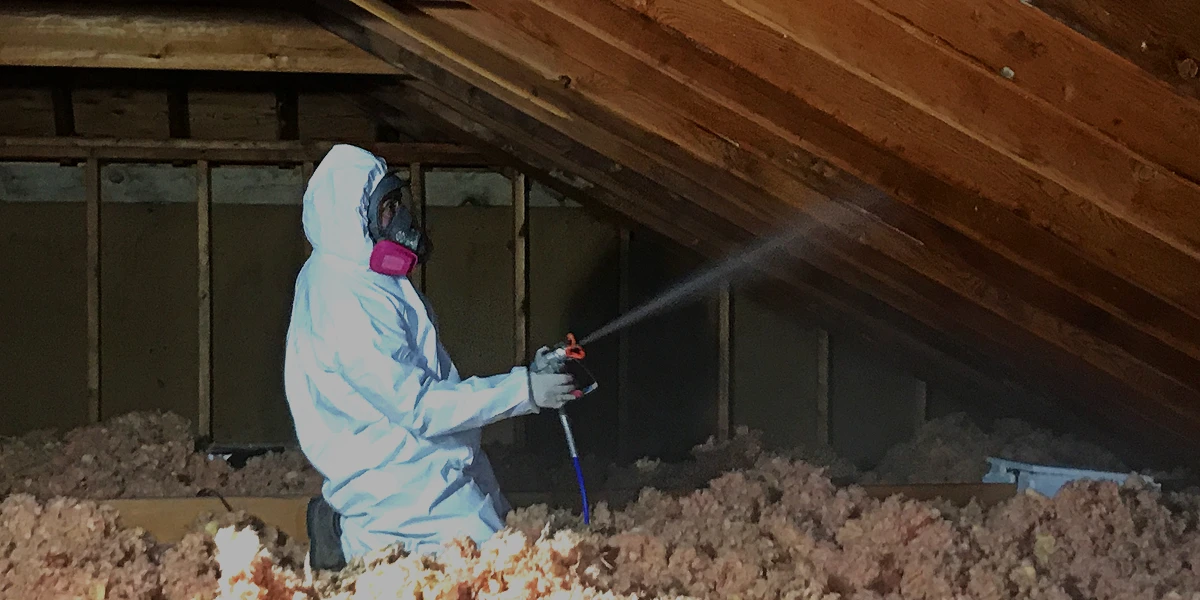
Understanding Mold Encapsulation Challenges in Sanford After Heavy Rainstorms
Heavy rainstorms are a routine part of life in Sanford. From late-summer downpours to hurricane-season systems that bring days of steady rainfall, homes in Central Florida regularly face moisture pressure. Even when flooding does not occur, wind-driven rain, roof stress, rising groundwater, and indoor humidity spikes can introduce moisture into structural components.
When mold develops after these events, remediation becomes the priority. In some situations—after proper cleaning and drying—mold encapsulation may be recommended as part of long-term protection. However, encapsulation in post-storm conditions presents specific challenges that homeowners need to understand.
Encapsulation is not a shortcut. It is not a way to “cover up” mold. It is a controlled, professional process used only after contamination has been addressed. In Sanford’s humid environment, applying encapsulation incorrectly or prematurely can create bigger issues down the line.
Why Heavy Rainstorms Create Mold Risk in Sanford
Sanford’s inland location still experiences intense rainfall during tropical systems and summer storms. While it does not face constant coastal spray like Cocoa or Merritt Island, humidity remains high for much of the year.
After heavy rainstorms, homes may experience:
-
Roof flashing failures
-
Minor shingle damage
-
Window and door seal breakdown
-
Clogged gutters and overflow
-
Slab edge moisture migration
-
HVAC condensation issues
Moisture can enter through small vulnerabilities and remain hidden in walls, attics, and subfloor systems.
When moisture lingers beyond 24–48 hours in Florida’s warm climate, mold growth can begin.
What Mold Encapsulation Is — and What It Is Not
Mold encapsulation is a protective coating applied to structural surfaces after mold remediation and drying have been completed.
It is designed to:
-
Seal cleaned porous materials
-
Provide moisture resistance
-
Help prevent mold re-colonization
-
Improve durability of structural framing
Encapsulation does not:
-
Kill active mold without prior cleaning
-
Replace removal of contaminated materials
-
Solve unresolved moisture problems
-
Eliminate the need for humidity control
In Sanford homes after heavy rainstorms, timing and preparation are critical.
Challenge #1: Hidden Moisture After Storms
One of the biggest challenges in post-storm encapsulation is hidden dampness.
Water may travel:
-
Down roof decking into attic insulation
-
Along wall studs
-
Behind drywall
-
Across slab edges
-
Into crawl spaces
Even if surfaces appear dry, internal moisture may remain.
Applying encapsulation before confirming dryness can trap moisture inside wood framing.
Trapped moisture can:
-
Weaken structural components
-
Encourage hidden mold growth
-
Create long-term odor issues
Moisture mapping is essential before encapsulation is considered.
Challenge #2: Attic Moisture Complexity
Attics are frequently involved after heavy rainstorms.
Wind-driven rain may enter through:
-
Ridge vents
-
Gable vents
-
Damaged flashing
-
Soffits
Insulation often absorbs moisture and holds it longer than expected.
Encapsulating roof decking before removing saturated insulation creates a barrier over damp materials.
Proper sequencing requires:
-
Insulation evaluation
-
Structural drying
-
Confirmed moisture readings
-
Controlled application
Without thorough drying, encapsulation may fail.
Challenge #3: Slab Foundation Moisture Migration
Many Sanford homes are built on slab foundations.
After prolonged rainfall, soil around the slab may remain saturated.
Moisture can migrate upward through concrete and into framing.
Encapsulating lower wall framing without addressing slab moisture may lead to recurring issues.
Indoor humidity must be stabilized before encapsulation.
Challenge #4: HVAC and Indoor Humidity After Storms
Power outages often accompany heavy storms.
When AC systems shut down:
-
Indoor humidity rises quickly
-
Moisture accumulates in insulation
-
Ductwork may sweat
-
Framing absorbs damp air
Encapsulation applied while humidity remains elevated increases failure risk.
Proper dehumidification is essential before surface treatments.
Companies such as Inspections and More FL typically emphasize humidity control before encapsulation recommendations.
Step-by-Step: Correct Approach to Encapsulation After Heavy Rain
Step 1: Identify and Repair Moisture Source
Roof repairs, sealant replacement, and drainage corrections must come first.
Step 2: Conduct Comprehensive Moisture Detection
Thermal imaging and moisture meters confirm the extent of dampness.
Step 3: Remove Contaminated Materials
Wet insulation and damaged drywall are removed where necessary.
Step 4: Perform Mold Remediation
Surfaces are cleaned using HEPA vacuuming and antimicrobial treatment.
Step 5: Structural Drying
Industrial dehumidifiers and air movers stabilize moisture levels.
Step 6: Confirm Dryness
Moisture readings verify safe levels before encapsulation begins.
Step 7: Apply Encapsulation Coating
Coatings are applied evenly to cleaned, dry surfaces.
Following this sequence reduces recurrence risk.
Why Encapsulation Is Sometimes Necessary in Sanford
Despite challenges, encapsulation can offer benefits in certain situations:
-
Homes with recurring humidity exposure
-
Attics with cleaned but stained roof decking
-
Crawl spaces prone to damp cycles
-
Properties with long-term structural moisture pressure
Encapsulation adds an extra layer of protection in Florida’s demanding climate.
Common Homeowner Misconceptions
After heavy rainstorms, homeowners sometimes believe:
-
Encapsulation fixes all mold problems
-
It eliminates the need for drying
-
It prevents future leaks
-
It replaces humidity control
These assumptions can lead to improper application.
Encapsulation supports—but does not replace—moisture management.
Cost Factors in Post-Storm Encapsulation
Costs vary depending on:
-
Size of affected area
-
Accessibility (attic vs crawl space)
-
Extent of prior mold growth
-
Drying duration
-
Surface preparation needs
Early detection often reduces total project cost.
Waiting increases remediation scope.
Preventing Future Encapsulation Challenges
Sanford homeowners can reduce post-storm issues by:
-
Inspecting roofs annually
-
Monitoring attic humidity
-
Maintaining gutters and downspouts
-
Checking window and door seals
-
Servicing HVAC systems
-
Monitoring indoor humidity (45–55%)
-
Scheduling post-storm evaluations
Proactive maintenance reduces structural stress.
Why Local Experience Matters
Sanford’s Central Florida climate includes:
-
High summer humidity
-
Intense rain events
-
Slab-on-grade construction
-
Extended cooling seasons
-
Seasonal storm cycles
Professionals familiar with Sanford, Melbourne, Palm Bay, Cocoa, and Merritt Island understand how moisture behaves in Florida homes.
Local expertise ensures encapsulation is recommended appropriately and applied correctly.
A Practical Takeaway for Sanford Homeowners
Mold encapsulation after heavy rainstorms can be a valuable protective measure—but only when used correctly.
The biggest challenges include:
-
Hidden moisture
-
Incomplete drying
-
Slab migration
-
Elevated indoor humidity
-
Improper sequencing
Encapsulation should follow thorough moisture detection, remediation, and drying—not replace them.
In Florida’s humid climate, managing moisture is the foundation of long-term protection. When applied carefully and professionally, encapsulation supports structural durability. When rushed or misused, it can trap problems inside.
Taking a structured approach after heavy rainstorms ensures that Sanford homes remain stable, safe, and protected from recurring moisture-related damage.