How Moisture Detection Protects Properties in Merritt Island During Extreme Humidity
If you’ve owned property on Merritt Island for any length of time, you already know humidity isn’t seasonal — it’s constant. Even outside of storm season, the air feels heavy. During summer and prolonged rainy periods, that moisture doesn’t just stay outdoors. It works its way inside.
In Merritt Island, along with nearby Cocoa, Melbourne, Palm Bay, and even inland toward Sanford, extreme humidity creates ongoing pressure on homes and rental properties. And while visible water damage gets attention quickly, humidity-related moisture often builds quietly behind walls and under floors.
That’s where professional moisture detection makes a difference.
It’s not about reacting to visible damage. It’s about identifying hidden moisture before it turns into structural issues or mold remediation projects.
What the Issue Really Is
Extreme humidity increases the amount of water vapor in the air. When indoor humidity levels rise above 60% for extended periods, moisture begins interacting with building materials.
Drywall absorbs it.
Wood framing retains it.
Insulation traps it.
Concrete slabs allow vapor migration.
Unlike a plumbing leak or roof failure, humidity doesn’t leave obvious puddles. Instead, it gradually raises moisture content inside materials.
Over time, that can lead to:
- Material swelling
- Warping
- Adhesive failure
- Reduced insulation efficiency
- Mold growth inside cavities
Moisture detection focuses on measuring what can’t be seen.
Why This Happens So Often in Merritt Island
Merritt Island’s geography intensifies humidity challenges.
Coastal Location
Surrounded by the Indian River Lagoon and Banana River, the island experiences elevated ambient moisture year-round.
High Water Table
Ground moisture rises during rainy periods, increasing vapor pressure beneath slab foundations.
Frequent Rainfall
Afternoon storms saturate soil and maintain elevated humidity long after rain stops.
Warm Temperatures
Heat accelerates microbial growth when moisture is present.
Slab Foundation Construction
Many homes on Merritt Island are built directly on slabs, allowing moisture to migrate upward from saturated ground.
Because humidity is constant rather than occasional, moisture can accumulate slowly without triggering immediate alarm.
Common Signs Property Owners Notice
Extreme humidity doesn’t always show visible damage immediately. Instead, homeowners may observe:
- Musty or stale odors
- Slightly warped baseboards
- Peeling paint near ceilings
- Sticky or damp-feeling air
- Increased AC runtime
- Minor discoloration near vents
Often, these signs appear before visible mold develops.
Moisture detection allows professionals to confirm whether humidity has already affected internal building materials.
Hidden or Overlooked Moisture Zones
Humidity-related moisture often settles in areas homeowners rarely inspect:
- Behind drywall along exterior walls
- Beneath laminate or vinyl flooring
- Inside attic insulation
- Around slab edges
- Inside HVAC ducts
- Under kitchen and bathroom cabinetry
In Merritt Island properties, slab edge moisture and attic duct condensation are particularly common.
Without detection tools, these areas remain unchecked until damage becomes visible.
Why DIY Inspection Isn’t Enough
Homeowners sometimes rely on visual inspection alone. If they don’t see stains or water spots, they assume everything is dry.
But humidity-related moisture doesn’t always leave visible clues.
Handheld humidity meters from retail stores may provide general readings but lack the precision needed for structural evaluation.
Challenges with DIY moisture checks include:
- Inability to test behind walls
- No thermal imaging capability
- Limited slab moisture assessment
- No HVAC system evaluation
- Inconsistent measurement methods
Professional moisture detection is data-driven and comprehensive.
Professional Moisture Detection Explained
In Merritt Island homes, moisture detection typically involves multiple tools and techniques.
Visual Assessment
Inspecting baseboards, ceilings, attic access points, and slab edges.
Moisture Meters
Pin and non-invasive meters measure moisture content in drywall, wood, and flooring.
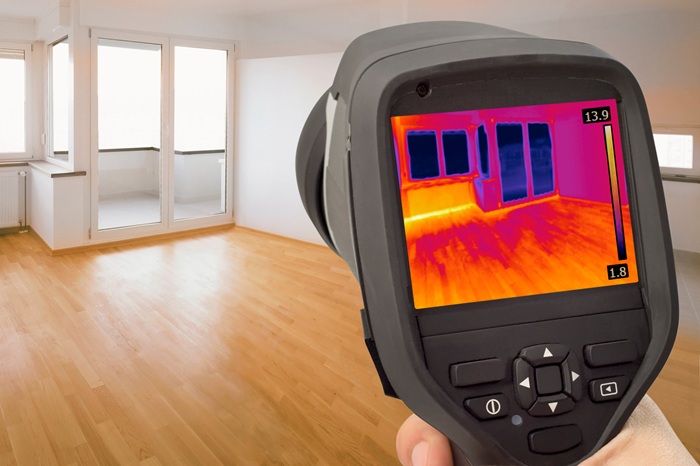
Thermal Imaging
Infrared cameras detect temperature differences that indicate hidden damp areas.
Hygrometer Readings
Monitoring indoor relative humidity levels.
Slab Testing
Assessing vapor emission rates in concrete foundations.
HVAC Inspection
Checking duct insulation and condensate drainage systems.
Inspections and More FL frequently identifies elevated moisture in homes where no visible damage exists yet. Early detection allows correction before remediation becomes necessary.
The Science Behind Moisture Detection
Moisture detection relies on understanding equilibrium moisture content (EMC).
Building materials naturally hold a certain amount of moisture based on environmental conditions. When indoor humidity rises, materials absorb additional moisture until equilibrium is reached.
If readings exceed safe thresholds, that indicates excess moisture accumulation.
Thermal imaging identifies cooler areas caused by evaporation or damp insulation. Moisture meters provide numerical data confirming saturation levels.
In extreme humidity environments like Merritt Island, early detection prevents materials from reaching mold-supporting moisture levels.
How Moisture Detection Protects Property Value
Humidity damage often begins invisibly. By the time visible mold appears, remediation may require removal of drywall, insulation, or flooring.
Moisture detection protects property by:
- Identifying small issues before structural damage occurs
- Preventing adhesive breakdown beneath flooring
- Reducing long-term wood warping
- Maintaining insulation performance
- Protecting HVAC efficiency
- Avoiding large-scale mold remediation
For rental properties, moisture detection also protects tenant comfort and reduces complaint cycles.
Early intervention reduces overall repair costs.
What Happens If Moisture Goes Undetected
When elevated humidity remains unchecked:
- Mold spores begin colonizing hidden surfaces
- Wood framing swells and contracts
- Flooring adhesives weaken
- Drywall softens
- Indoor air quality declines
In Merritt Island’s warm climate, microbial growth can begin within 24–48 hours when moisture and organic material combine.
Humidity may seem harmless, but sustained exposure creates cumulative damage.
Preventing Humidity-Related Moisture Issues
Moisture detection works best when combined with prevention strategies.
Merritt Island homeowners can:
- Monitor indoor humidity levels regularly
- Maintain HVAC systems
- Clean AC condensate lines
- Inspect attic ventilation
- Seal slab expansion joints
- Install whole-home dehumidification if needed
- Schedule post-storm inspections
Homes in Cocoa, Melbourne, Palm Bay, and Sanford face similar challenges, though coastal exposure increases Merritt Island’s humidity load.
Routine detection keeps small moisture pockets from escalating.
Why Local Florida Experience Matters
Moisture behaves differently in Florida than in dry climates.
Merritt Island’s:
- High dew points
- Coastal wind patterns
- Elevated groundwater
- Warm year-round temperatures
… create ongoing moisture movement inside structures.
Professionals familiar with local building styles and environmental patterns understand where moisture tends to accumulate first.
Inspections and More FL approaches moisture detection with this localized awareness — focusing on slab edges, attic ductwork, and exterior wall cavities that commonly absorb humidity in coastal properties.
Experience matters when humidity never truly disappears.
A Calm, Practical Next Step
If your Merritt Island property feels consistently humid, smells musty, or shows early signs of moisture stress, it may be time to evaluate internal moisture levels.
Moisture detection isn’t about reacting to damage. It’s about preventing it.
In extreme humidity environments, identifying hidden moisture early protects structural materials, maintains indoor air quality, and prevents more extensive remediation later.
Humidity may be part of island living.
But hidden moisture doesn’t have to be.