Moisture Detection in Merritt Island Waterfront Homes: How to Prevent Recurring Damage
Owning a waterfront home in Merritt Island comes with incredible views and steady coastal breezes. But it also means living in a constant moisture environment. Between the Indian River Lagoon, the Banana River, heavy summer storms, and year-round humidity, waterfront properties face more exposure than inland homes.
Most recurring damage in waterfront homes doesn’t start with dramatic flooding. It begins quietly — hidden moisture inside walls, under flooring, or along slab edges. By the time staining or mold appears, moisture may have been present for weeks.
That’s why moisture detection is so important in Merritt Island waterfront homes. It’s not just about finding leaks — it’s about preventing repeat damage before it becomes structural.
What the Issue Really Is
Waterfront homes deal with two types of moisture pressure:
- Ambient humidity from surrounding water
- Ground moisture migrating beneath the home
In Merritt Island, humidity levels often remain above 70% for long periods. That moisture doesn’t simply stay in the air — building materials absorb it.
Drywall pulls in moisture.
Wood framing retains it.
Insulation traps it.
Concrete slabs allow vapor transmission.
Even without visible water intrusion, materials can slowly reach moisture levels that support mold growth and deterioration.
Moisture detection identifies those hidden conditions before they escalate.
Why This Happens So Often in Merritt Island Waterfront Properties
Waterfront homes face environmental conditions that accelerate recurring moisture damage.
High Water Table
Groundwater levels fluctuate with rainfall and tides. Slab foundations experience vapor pressure from below.
Wind-Driven Rain
Storms push moisture into small gaps around windows, doors, and siding.
Salt Air Exposure
Salt accelerates corrosion of flashing, fasteners, and HVAC components.
Persistent Coastal Humidity
Moist air remains elevated even when rainfall stops.
Temperature Differentials
Cool interior air meeting warm humid outdoor air creates condensation inside walls and attics.
Homes in Cocoa and Melbourne waterfront areas experience similar patterns, but Merritt Island properties are particularly exposed due to surrounding waterways.
Recurring damage often means the original moisture source was never fully identified.
Common Signs Property Owners Notice
Recurring moisture damage usually presents subtle warning signs:
- Musty indoor odors
- Slightly warped baseboards
- Peeling paint near ceilings
- Minor ceiling discoloration
- Damp feeling floors
- Increased indoor humidity
- AC running longer than usual
Many homeowners repair visible damage without confirming whether moisture is still present inside structural materials.
That’s when problems return.
Hidden or Overlooked Moisture Zones
In Merritt Island waterfront homes, moisture often accumulates in:
- Exterior wall cavities facing the water
- Around sliding glass doors
- Beneath tile or laminate flooring
- Along slab edges
- Inside attic insulation
- Around roof penetrations
- Inside HVAC duct systems
Even minor intrusion through flashing or seals can saturate insulation without visible staining below.
Moisture detection tools locate these hidden areas early.
Why DIY Checks Often Miss the Root Cause
Homeowners sometimes rely on visual inspection alone. If they don’t see water stains, they assume the problem is resolved.
But recurring damage often means hidden moisture remained inside materials.
Limitations of DIY inspection include:
- No ability to scan inside walls
- No measurement of slab vapor transmission
- No detection of temperature-based condensation
- No verification of insulation moisture levels
Professional moisture detection relies on measurement — not assumptions.
Professional Moisture Detection Explained
A structured evaluation in a Merritt Island waterfront home typically includes:
Visual Inspection
Examining windows, flashing, rooflines, slab edges, and attic spaces.
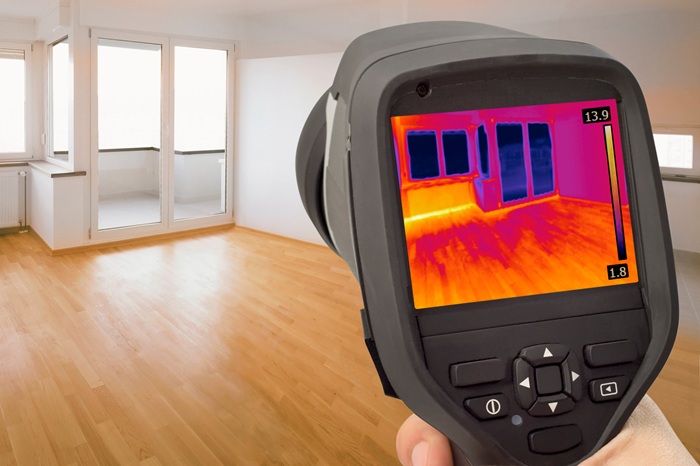
Thermal Imaging
Identifying cooler areas caused by evaporative moisture.
Moisture Meter Testing
Measuring moisture content in drywall, wood, and flooring.
Hygrometer Monitoring
Checking indoor humidity levels.
Slab Vapor Assessment
Evaluating moisture transmission from concrete foundations.
HVAC Inspection
Ensuring duct condensation is not contributing.
Inspections and More FL frequently performs moisture detection in waterfront properties after storms or repeated interior damage. Early detection prevents larger remediation projects.
The Science Behind Moisture Recurrence
Moisture recurrence usually happens when one of three conditions remains:
- The moisture source wasn’t corrected.
- Humidity levels remain elevated.
- Materials never fully dried.
Building materials reach what’s called equilibrium moisture content — a balance between material moisture and surrounding air.
In waterfront environments, high humidity keeps equilibrium levels elevated. That means materials may never fully dry unless dehumidification or ventilation adjustments are made.
Moisture detection identifies whether materials have truly returned to safe levels.
How to Prevent Recurring Damage
Prevention requires ongoing moisture management.
Waterfront homeowners in Merritt Island can reduce repeat damage by:
Monitor Indoor Humidity
Maintain levels between 45–55%.
Maintain Window and Door Seals
Inspect annually for deterioration.
Inspect Roof Flashing
Check after heavy rain or storm season.
Seal Slab Expansion Joints
Prevent vapor migration.
Improve Attic Ventilation
Ensure soffit and ridge vents function properly.
Maintain HVAC Systems
Clean condensate lines and insulate ducts.
Install Vapor Barriers in Crawl Spaces
If applicable.
Schedule Post-Storm Evaluations
Confirm no hidden intrusion occurred.
Routine moisture detection after heavy rain events is especially valuable in waterfront homes.
Why Local Florida Experience Matters
Moisture behaves differently in Florida than in dry climates.
Merritt Island’s:
- Elevated dew points
- Salt air corrosion
- Frequent storms
- High groundwater levels
- Slab foundation construction
… create ongoing moisture pressure on structures.
Professionals familiar with Central Florida building styles understand where water tends to travel first and how to interpret detection results in humid conditions.
Inspections and More FL approaches waterfront moisture detection with this localized understanding — focusing on long-term prevention rather than temporary repairs.
Experience helps identify subtle patterns before they become structural issues.
A Calm, Practical Next Step
If your Merritt Island waterfront home has experienced recurring stains, persistent odors, or repeated repairs in the same areas, a structured moisture detection evaluation can clarify what’s happening beneath the surface.
Recurring damage is rarely random.
It usually means moisture remains hidden somewhere inside the structure.
Waterfront living brings constant humidity — but with early detection and proper moisture control, recurring damage does not have to be part of the experience.
Taking preventive action today protects your home from more extensive repairs tomorrow.