In Rental Properties in Cocoa: A Closer Look at Moisture Detection
Rental properties in Cocoa operate under a different rhythm than owner-occupied homes. Tenants move in and out. HVAC settings change. Minor leaks may go unreported for days. Windows may stay open during humid afternoons. Over time, those small factors add up — especially in Florida’s climate.
In Cocoa, as well as nearby Merritt Island, Melbourne, Palm Bay, and even inland toward Sanford, moisture is constant. It doesn’t take a flood to create a problem. It takes humidity, condensation, or a slow plumbing drip.
That’s why moisture detection plays such an important role in rental properties. It helps property owners identify hidden issues early — before they turn into mold remediation or structural repairs.
Understanding how moisture detection works, and when it becomes necessary, protects both the property and the people living in it.
What the Issue Really Is
Moisture detection is the process of identifying hidden damp areas inside a structure before visible damage appears.
In rental homes, moisture often builds quietly inside:
- Drywall
- Subflooring
- Concrete slabs
- Insulation
- Crawl spaces
- HVAC systems
Moisture can come from:
- Plumbing leaks
- AC condensate clogs
- Roof flashing failures
- Window seal gaps
- Slab vapor migration
- High indoor humidity
Because rental properties may not receive daily oversight from the owner, small moisture events can persist longer than expected.
Moisture detection prevents those small issues from becoming larger problems.
Why This Happens So Often in Cocoa Rental Homes
Cocoa’s coastal environment adds extra pressure.
Persistent Humidity
Outdoor humidity frequently stays above 65–70%.
Frequent Storm Cycles
Heavy rains and afternoon thunderstorms are common.
Slab Foundation Construction
Many Cocoa rental homes sit directly on slabs, allowing ground moisture to migrate upward.
Year-Round AC Use
Constant cooling can create condensation around ducts or air handlers.
Variable Tenant Habits
Extended shower steam, unreported leaks, or high thermostat settings can increase indoor humidity.
Homes in Merritt Island and Melbourne experience similar conditions, particularly those closer to water.
In rental properties, moisture often develops during occupancy changes or maintenance delays.
Common Signs Property Managers or Tenants Notice
Moisture problems often start with subtle indicators.
These include:
- Musty odors
- Slight warping of baseboards
- Bubbling paint
- Damp-feeling floors
- AC running longer than usual
- Visible staining near ceilings
- Elevated humidity indoors
By the time these signs appear, moisture may already be inside structural materials.
Early moisture detection helps avoid mold remediation later.
Hidden or Overlooked Moisture Zones in Rentals
In Cocoa rental properties, moisture commonly accumulates in:
- Behind bathroom walls
- Beneath kitchen sinks
- Under laminate flooring
- Around sliding glass doors
- Along slab edges
- Inside attic insulation
- Around HVAC units
Even a small plumbing drip can saturate drywall before a tenant notices.
Moisture spreads laterally through building materials, making visual inspection unreliable.
Detection tools locate moisture where it’s not visible.
Why DIY Checks Often Miss the Problem
Some landlords rely on quick walkthroughs between tenants.
If they don’t see staining or smell mold, they assume the home is dry.
But moisture often hides inside walls or beneath flooring.
DIY limitations include:
- No ability to measure moisture content
- No thermal imaging for hidden damp areas
- No slab vapor testing
- No humidity tracking
Florida’s humidity slows drying. Materials may remain damp even when surfaces look dry.
Professional moisture detection confirms whether the structure is stable.
Professional Moisture Detection Explained
A structured evaluation in a Cocoa rental property typically includes:
Visual Inspection
Checking rooflines, windows, slab edges, and attic spaces.
Moisture Meter Testing
Measuring moisture levels in drywall, flooring, and wood.
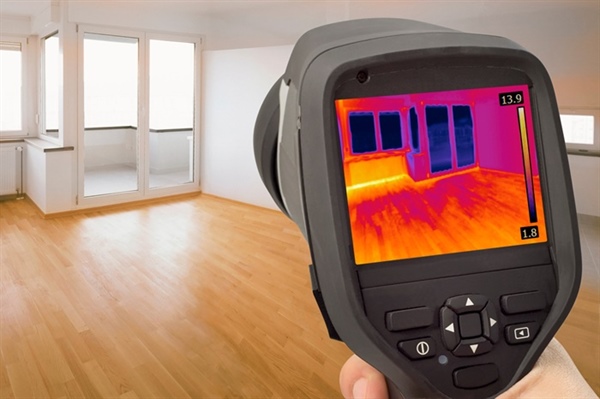
Thermal Imaging
Identifying cooler areas caused by hidden dampness.
Hygrometer Readings
Monitoring indoor humidity levels.
HVAC Evaluation
Ensuring ducts and condensate lines are not contributing.
Inspections and More FL frequently performs moisture detection in rental properties after storms or tenant turnover.
Early identification reduces long-term costs.
The Science Behind Moisture Movement
Moisture moves in three ways:
- Liquid water intrusion (leaks or flooding)
- Vapor diffusion (humidity passing through materials)
- Condensation (warm humid air meeting cooler surfaces)
In Cocoa’s climate, vapor and condensation play major roles.
Concrete slabs allow moisture vapor transmission when ground moisture rises.
HVAC ducts in hot attics can sweat when insulation is inadequate.
Moisture detection tools measure whether materials have reached unsafe levels.
Without measurement, property owners are guessing.
Preventing Recurring Moisture Issues in Rentals
Proactive maintenance reduces the need for remediation.
Cocoa rental property owners can:
- Schedule annual moisture inspections
- Monitor indoor humidity between tenants
- Clean AC condensate lines regularly
- Inspect roof flashing after storms
- Seal slab expansion joints
- Encourage tenants to report leaks immediately
- Inspect attic insulation annually
Homes in Palm Bay, Merritt Island, and Sanford benefit from similar preventive practices.
Routine detection prevents recurring damage.
Why Local Florida Experience Matters
Moisture behaves differently in Florida than in dry climates.
Cocoa’s:
- Coastal humidity
- Frequent rain cycles
- High groundwater
- Slab construction
- Warm year-round temperatures
… create ongoing moisture pressure.
Professionals familiar with Central Florida building styles understand how moisture migrates in slab homes and rental properties with varied occupancy patterns.
Inspections and More FL approaches moisture detection with this localized knowledge — focusing on prevention and stability.
Experience ensures hidden moisture does not go unnoticed.
A Calm, Practical Next Step
If you manage or own rental properties in Cocoa, moisture detection should be part of routine maintenance — especially after heavy rain or tenant turnover.
Moisture rarely resolves on its own in Florida’s climate.
But early detection keeps small issues from becoming mold remediation projects.
A structured evaluation protects the property, reduces long-term repair costs, and supports a healthier indoor environment for tenants.