
How Mold Encapsulation Protects Properties in Merritt Island After Hidden Water Intrusion
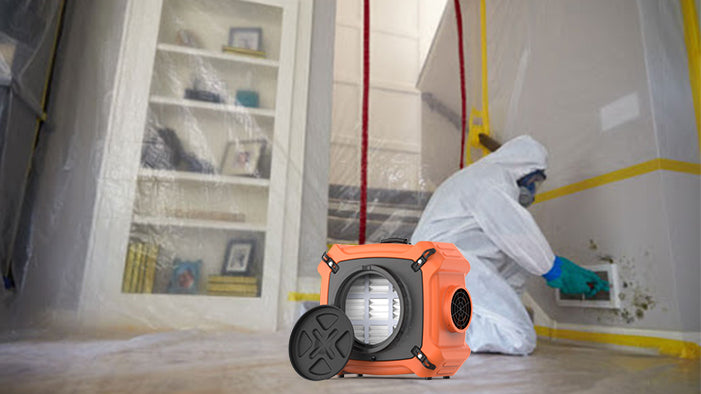
Hidden water intrusion is one of the most common issues we see in Merritt Island homes. It doesn’t always come from dramatic flooding or obvious roof failure. More often, it’s slow and subtle — wind-driven rain entering around flashing, small plumbing leaks behind walls, crawl space humidity creeping upward, or attic condensation after a storm.
Because Merritt Island sits between the Indian River and the Banana River, homes here face constant humidity exposure. When hidden water intrusion occurs in that environment, moisture lingers longer. And when moisture lingers, mold can begin developing on structural materials before anyone realizes there’s a problem.
That’s where mold encapsulation becomes an important protective step.
Encapsulation isn’t a shortcut. When used correctly after proper remediation, it adds a protective barrier that helps safeguard the structure from future moisture cycles.
Let’s take a closer look at how that works.
What Hidden Water Intrusion Looks Like in Merritt Island
Hidden water intrusion rarely announces itself loudly.
Instead, homeowners may notice:
- A faint musty odor
- Slight discoloration on baseboards
- Damp attic insulation
- Subtle warping in flooring
- Increased indoor humidity
Behind the scenes, moisture may be affecting:
- Crawl space floor joists
- Roof decking in the attic
- Wall framing behind drywall
- Subflooring above slab edges
- Insulation near exterior walls
In coastal properties, small leaks often repeat with each storm. Even if materials dry partially, repeated exposure creates ideal conditions for mold growth.
Why Mold Develops After Hidden Intrusion
Mold doesn’t need standing water.
In Merritt Island’s humid climate, it only needs:
- Moisture
- Warm temperatures
- Organic material (wood, drywall, insulation)
- Limited airflow
When hidden intrusion goes undetected for even a few days, structural materials begin absorbing moisture. If that moisture isn’t fully removed, mold growth may develop on framing, joists, or sheathing.
By the time the issue is discovered, surface cleaning alone is rarely sufficient.
What Mold Encapsulation Actually Is
Mold encapsulation is a protective coating applied to structural materials after:
- The moisture source has been corrected
- Contaminated materials have been properly cleaned or removed
- The structure has been dried to safe moisture levels
The encapsulation product creates a sealed barrier over cleaned wood or masonry surfaces.
This barrier:
- Locks down residual microscopic particles
- Adds moisture resistance
- Helps prevent future colonization
- Protects structural framing
Encapsulation is not applied over active mold. It follows proper remediation and drying.
Where Encapsulation Is Commonly Used in Merritt Island Homes
In coastal properties, encapsulation is most often used in:
Crawl Spaces
Wooden floor joists exposed to elevated humidity.
Attics
Roof decking and rafters affected by past condensation or minor leaks.
Subflooring
Areas exposed to repeated moisture cycles.
Utility Areas
Framing near plumbing lines or air handlers.
These areas are vulnerable to recurring humidity, especially in homes near water or with limited ventilation.
Why Encapsulation Matters in Coastal Environments
Merritt Island’s coastal climate creates repeating humidity cycles.
Even after remediation:
- Outdoor humidity remains high
- Storm season introduces repeated moisture exposure
- Crawl spaces stay vulnerable to groundwater shifts
Encapsulation adds an extra layer of protection against these environmental pressures.
While it doesn’t eliminate humidity, it reduces how structural materials react to it.
Think of it as reinforcing cleaned wood against future moisture stress.
The Role of Structural Drying Before Encapsulation
Encapsulation only works if materials are fully dry.
Before applying any protective coating, professionals:
- Measure moisture levels with meters
- Confirm humidity stabilization
- Use dehumidifiers and air movers when needed
- Ensure no active leaks remain
Applying encapsulation over damp materials can trap moisture — which defeats the purpose.
In Florida’s climate, drying verification is critical.
At Inspections and More FL, moisture readings guide every step before encapsulation begins.
Encapsulation and Crawl Space Protection
Crawl spaces in Merritt Island often experience:
- Elevated soil moisture
- Limited airflow
- Warm temperatures
After hidden water intrusion, crawl space framing may require remediation.
Encapsulation in these areas helps:
- Seal cleaned joists
- Reduce moisture absorption
- Improve long-term durability
- Support overall humidity control
In many coastal homes, encapsulation is part of a broader crawl space moisture management plan.
Attic Encapsulation After Storm-Related Intrusion
Wind-driven rain and high humidity frequently affect attics.
Roof decking may show light mold growth after:
- Hurricane season
- Prolonged rain events
- Poor ventilation
Once properly cleaned and dried, encapsulating attic framing adds protection against recurring humidity cycles.
In Merritt Island, attics are often exposed to both extreme heat and extreme humidity — a challenging combination for untreated wood.
Why DIY Encapsulation Can Cause Problems
Some homeowners attempt to apply sealants without proper remediation.
Common mistakes include:
- Coating over active mold
- Skipping moisture measurement
- Ignoring the original intrusion source
- Applying product to damp wood
Encapsulation must follow professional cleaning and drying procedures.
Otherwise, moisture can become trapped, leading to further deterioration.
How Encapsulation Supports Long-Term Property Protection
When performed correctly, mold encapsulation:
- Stabilizes cleaned structural surfaces
- Reduces recurring mold risk
- Protects framing from minor future humidity exposure
- Improves durability of crawl space and attic materials
- Supports indoor air quality stability
It does not replace moisture control — but it strengthens the structure after remediation.
In coastal properties, that added protection makes a noticeable difference.
Preventing Future Hidden Water Intrusion
Encapsulation works best when paired with preventative maintenance.
Merritt Island homeowners should:
- Inspect roofs after major storms
- Monitor crawl space humidity
- Service HVAC systems regularly
- Check window and door seals
- Schedule periodic moisture evaluations
Hidden intrusion is often easier to prevent than repair.
Why Local Experience Matters in Merritt Island
Coastal homes behave differently than inland properties.
Local professionals understand:
- How salt air affects building materials
- How tidal shifts influence groundwater
- How humidity fluctuates seasonally
- How slab and crawl space homes respond differently
Experience across Merritt Island, Cocoa, Palm Bay, and Melbourne ensures encapsulation is applied strategically and appropriately.
Encapsulation is not used universally — it’s used when structural protection truly benefits from it.
Protecting Your Merritt Island Property After Hidden Intrusion
Hidden water intrusion can quietly impact structural materials in coastal homes.
Mold encapsulation protects Merritt Island properties by:
- Reinforcing cleaned framing
- Adding moisture resistance
- Supporting long-term stability
- Reducing recurrence risk
- Preserving structural integrity
When moisture is addressed thoroughly and encapsulation is applied properly, the structure gains added resilience against Florida’s demanding coastal environment.
If your Merritt Island home has experienced hidden water intrusion, a professional evaluation can determine whether remediation and encapsulation are necessary to protect your property moving forward.
In a climate where humidity is constant, added structural protection often provides valuable peace of mind.
