
How Structural Dryouts Protect Properties in Cocoa During Storm Season
Storm season in Cocoa is not subtle. Afternoon downpours, tropical systems, and hurricane threats bring intense rainfall, strong winds, and sudden flooding. For property owners, the visible water is only part of the problem.
What truly determines whether a home or commercial building recovers properly is what happens after the water intrusion.
Structural dryouts play a critical role in protecting properties in Cocoa during storm season. Without them, hidden moisture lingers inside walls, ceilings, flooring systems, and structural framing — creating long-term damage that may not appear immediately.
Understanding how structural dryouts work, and why they matter in Florida’s climate, can prevent recurring mold, structural deterioration, and costly repairs.
What Structural Dryouts Really Are
A structural dryout is a controlled process designed to remove moisture from building materials after water intrusion. It goes beyond surface drying.
When storm water enters a property, it saturates:
- Drywall
- Insulation
- Wood framing
- Subfloors
- Concrete slabs
- Ceiling cavities
Even if visible water is removed quickly, building materials retain moisture deep inside. In Cocoa’s humid environment, natural drying occurs slowly.
Structural dryouts use professional equipment and moisture monitoring to ensure that materials return to safe, stable moisture levels before repairs begin.
Why This Is So Important in Cocoa During Storm Season
Cocoa’s environmental conditions make storm-related moisture especially problematic.
High Humidity
After storms pass, humidity levels often remain elevated. That slows evaporation and prolongs moisture retention in materials.
Frequent Rainfall
Repeated storms during summer can saturate soil and foundations, compounding indoor moisture issues.
Coastal Exposure
Salt air increases corrosion risk and accelerates material breakdown when moisture remains trapped.
High Water Table
Groundwater levels in certain areas of Cocoa remain high. Slab foundations and low-lying homes may experience moisture migration even after floodwaters recede.
Warm Temperatures
Florida heat combined with trapped moisture creates ideal conditions for mold growth within 24 to 48 hours.
These factors make structural dryouts not just helpful — but necessary.
Warning Signs That Drying Is Needed
After a storm, some moisture damage is obvious. Other times, signs appear gradually.
Property owners should watch for:
- Soft or swollen drywall
- Buckling or warped flooring
- Musty odors
- Discoloration along baseboards
- Peeling paint
- Ceiling stains
- Damp insulation
- Increased indoor humidity
Even if surfaces feel dry, moisture may still be trapped inside walls or under flooring.
Ignoring these signs allows structural materials to deteriorate quietly.
Hidden Moisture After Storms
Storm-related water rarely stays in one place.
Water can travel:
- Behind drywall
- Into insulation
- Along framing members
- Under tile or laminate flooring
- Into attic spaces
- Beneath cabinets
In many Cocoa homes, roof leaks during storms allow water into attic insulation. That moisture can drip into ceilings long after the storm ends.
Similarly, floodwater entering through door thresholds or garage areas may seep under flooring systems.
Without proper drying, these hidden pockets remain damp for weeks.
Why Surface Drying Isn’t Enough
Many homeowners attempt to dry storm damage by:
- Opening windows
- Running household fans
- Using small portable dehumidifiers
While these steps help with surface moisture, they rarely remove deep structural saturation.
Household equipment lacks the capacity needed for significant water intrusion.
Fans may circulate humid air without lowering moisture content effectively.
Without moisture monitoring tools, it’s impossible to know when materials are truly dry.
Premature repairs — such as repainting or reinstalling flooring — can trap moisture inside walls.
How Professional Structural Dryouts Work
A proper structural dryout involves a systematic approach.
Moisture Assessment
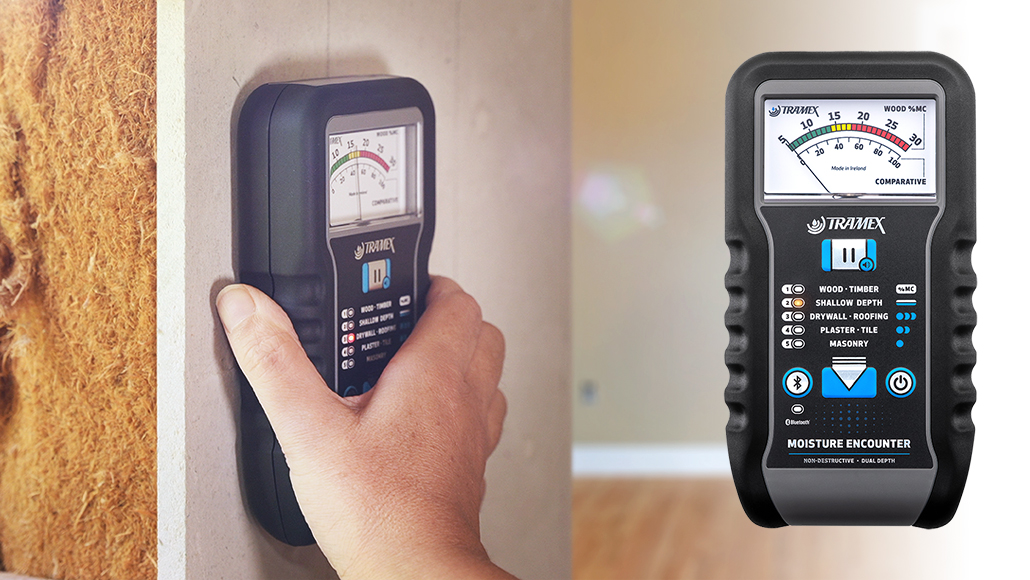
Technicians use moisture meters and thermal imaging to map wet areas and determine the extent of water intrusion.
Water Extraction
Standing water is removed using professional extraction equipment.
Industrial Dehumidification
High-capacity dehumidifiers pull moisture from the air and surrounding materials.
Air Movement
Air movers increase evaporation rates across wet surfaces.
Controlled Environment
Doors and windows are often closed to create a controlled drying chamber.
Monitoring and Documentation
Moisture levels are measured daily to track progress and confirm when materials reach acceptable dryness.
Targeted Demolition When Necessary
If insulation or drywall cannot dry effectively, selective removal prevents mold development.
Structural drying continues until readings confirm that framing, subfloors, and drywall are within safe moisture ranges.
Protecting Against Mold Growth
In Cocoa’s climate, mold can begin developing quickly after storm damage.
Structural dryouts reduce the likelihood of microbial growth by:
- Lowering humidity levels
- Removing moisture from porous materials
- Preventing prolonged damp conditions
- Supporting air scrubbing when necessary
- Allowing timely remediation if mold is present
Early drying significantly reduces the chance of widespread mold colonization.
Lessons From Local Storm Cases in Cocoa
Experience with Cocoa storm season reveals consistent patterns.
Delayed Action Increases Damage
Homes left untreated for even a few days after water intrusion often require more extensive repairs.
Flooring Conceals Moisture
Tile, vinyl, and laminate may appear intact while subfloors remain saturated beneath.
Attic Moisture Is Frequently Missed
Roof leaks during heavy winds often saturate insulation without immediate ceiling staining.
HVAC Systems Can Spread Moisture
Running the AC after storm intrusion may circulate humid air and slow drying if structural moisture remains.
High Humidity Slows Natural Recovery
Even after visible water disappears, humidity keeps materials damp without professional intervention.
These lessons reinforce the importance of immediate drying.
Preventing Long-Term Structural Damage
Beyond mold prevention, structural dryouts protect:
- Wooden framing from rot
- Subfloor integrity
- Drywall stability
- Electrical systems
- Insulation effectiveness
- Flooring materials
When moisture remains trapped, wood may warp, nails may loosen, and adhesives may fail.
Proper drying stabilizes the structure before reconstruction begins.
How to Prepare for Storm Season in Cocoa
Preparation reduces risk before storms even arrive.
Property owners should:
- Inspect roofing systems annually
- Maintain gutters and drainage
- Seal exterior openings
- Check attic ventilation
- Monitor indoor humidity
- Elevate valuables in flood-prone areas
- Schedule post-storm inspections when necessary
Being proactive during Cocoa’s storm season limits damage severity.
Why Local Experience Matters
Structural drying in Cocoa requires understanding:
- Coastal humidity cycles
- Local construction styles
- Slab versus crawl space behavior
- Soil saturation patterns
- Storm-driven wind and rain entry points
Local professionals recognize moisture patterns unique to Cocoa neighborhoods.
That experience ensures drying strategies match environmental conditions.
A Practical Step Forward
Storm season in Cocoa brings uncertainty, but moisture damage doesn’t have to become long-term structural damage.
When water intrusion occurs, immediate structural dryouts protect your property’s integrity, reduce mold risk, and prevent recurring issues.
If your home or commercial building experiences flooding or roof leaks during a storm, early moisture assessment provides clarity.
Drying thoroughly the first time prevents repeated repairs later.
In Florida’s climate, moisture doesn’t resolve on its own — but with the right structural drying process, your property can recover safely and fully.
