
Merritt Island Homes Dealing With Thermal Imaging Inspections in Slab Foundation Houses — Lessons Learned From Local Cases
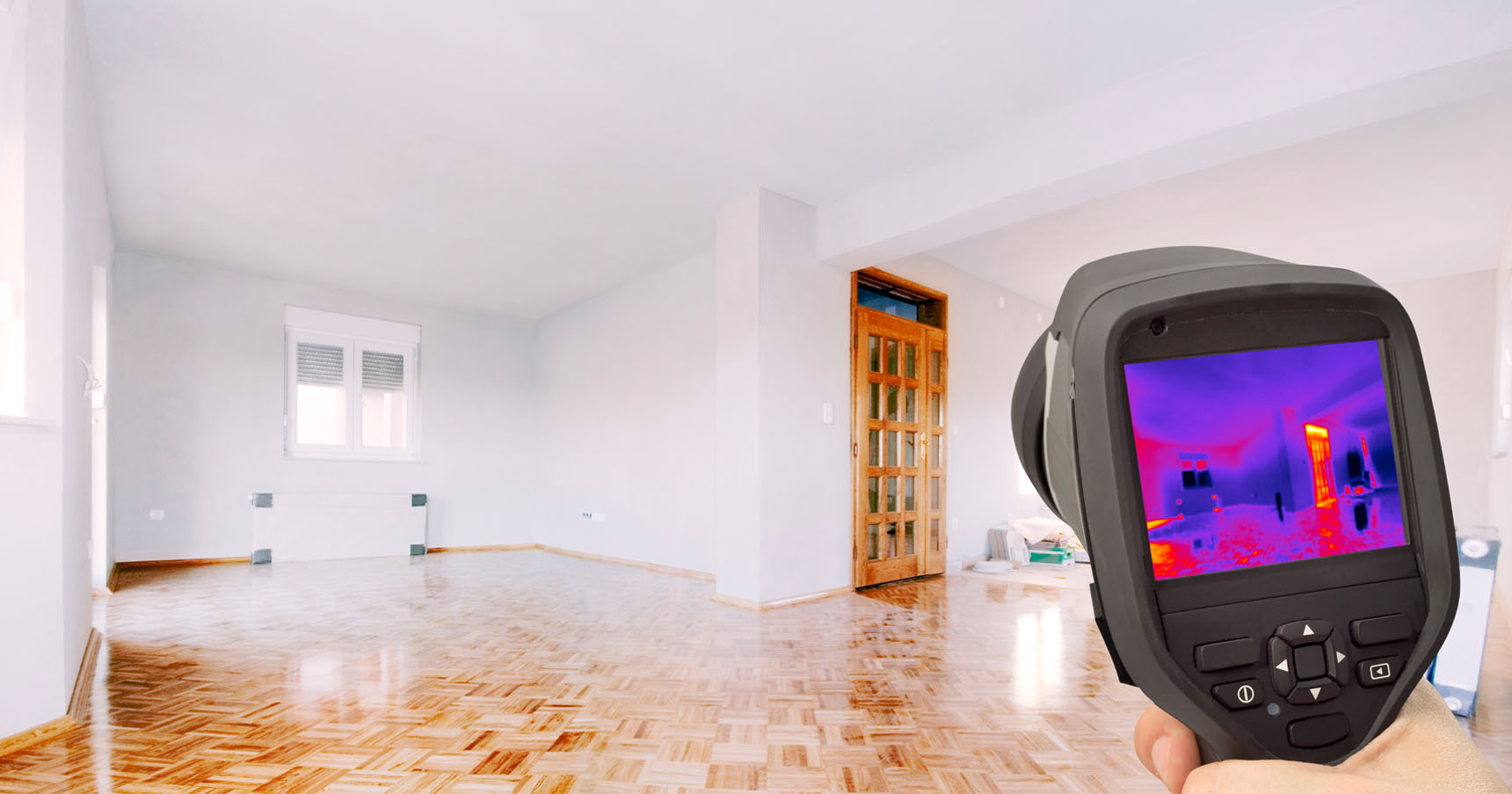
Slab foundation homes are common throughout Merritt Island. They’re durable, practical, and well-suited for Florida’s flat terrain. But when moisture develops beneath or within a slab, finding the source isn’t always simple.
Unlike crawl space homes where plumbing and framing remain visible, slab houses conceal water lines inside concrete. When a leak forms, it doesn’t always show itself clearly. Moisture can travel under flooring, behind baseboards, and into drywall before homeowners notice anything unusual.
That’s where thermal imaging inspections become valuable.
Over the years, local cases in Merritt Island have shown that early detection through infrared technology often prevents widespread damage. The lessons learned from these properties highlight why slab foundation homes require a different approach when moisture concerns arise.
What the Issue Really Is
A slab foundation means the home sits directly on a thick concrete base poured over compacted soil. Plumbing lines often run beneath or through the slab.
When a pipe leaks beneath concrete, water doesn’t pool visibly. Instead, it spreads laterally, saturating surrounding soil and gradually migrating upward through porous materials.
Common consequences include:
- Damp flooring
- Warped tile or vinyl
- Soft drywall near baseboards
- Musty odors
- Increased indoor humidity
Because the slab hides the plumbing system, diagnosing the problem without specialized tools can require guesswork or destructive testing.
Thermal imaging offers a non-invasive way to detect temperature differences associated with hidden moisture.
Why This Happens So Often in Merritt Island
Several local conditions increase slab moisture risk in Merritt Island.
High Water Table
Parts of Merritt Island sit at low elevations near waterways. Ground moisture levels remain high, especially after heavy rainfall.
Soil Saturation After Storms
Frequent summer storms saturate the soil beneath slab foundations. If drainage around the property isn’t ideal, moisture lingers beneath the concrete.
Aging Plumbing Systems
Many slab homes built decades ago still contain original copper or polybutylene plumbing lines. Over time, corrosion or wear can lead to small leaks.
Constant AC Operation
Cooling systems run heavily throughout the year. Cold floors combined with humid air can create condensation along slab surfaces.
Coastal Environmental Exposure
Salt air accelerates material degradation, including plumbing components.
These environmental factors mean slab homes in Merritt Island often face hidden moisture challenges.
Warning Signs That Prompt Thermal Imaging Inspections
Local homeowners often contact professionals after noticing subtle changes.
Common signs include:
- Warm spots on flooring
- Cracked or lifting tiles
- Peeling vinyl planks
- Baseboard separation
- Recurring mold near floor level
- Higher water bills without explanation
- Persistent musty odors
In many local cases, homeowners initially assume surface-level issues — until moisture spreads.
Thermal imaging allows inspection without immediately cutting into walls or flooring.
Hidden or Overlooked Sources in Slab Homes
Slab-related moisture doesn’t always stem from a plumbing failure.
Local inspections have revealed additional sources such as:
- Improper grading around foundations
- Broken irrigation lines near exterior walls
- Roof runoff directed toward slab edges
- Window leaks allowing water behind walls
- HVAC condensation lines routed improperly
Moisture under slabs may not always originate below the concrete. Sometimes it migrates from exterior walls downward.
Thermal imaging helps differentiate between active plumbing leaks and external intrusion.
Why DIY Detection Usually Fails
Homeowners sometimes attempt to locate leaks by:
- Listening for running water
- Tapping tiles for hollow sounds
- Replacing small flooring sections
- Using handheld moisture meters alone
While moisture meters can detect elevated readings, they don’t always reveal the full spread pattern.
Without thermal imaging, pinpointing the moisture origin becomes difficult.
Destructive testing without accurate mapping can lead to unnecessary slab cutting, flooring removal, or drywall demolition.
In slab homes, precision matters.
How Thermal Imaging Works in Slab Inspections
Thermal imaging cameras detect surface temperature differences.
Moisture affects temperature because wet materials retain and transfer heat differently than dry materials.
During a thermal inspection, professionals scan:
- Flooring surfaces
- Baseboards
- Lower drywall sections
- Ceiling areas when appropriate
- Adjacent walls
On the infrared display, cooler or warmer anomalies may indicate hidden moisture patterns.
Thermal imaging does not “see through” concrete. Instead, it detects temperature changes caused by moisture movement.
Combined with moisture meters and visual inspection, it creates a more complete diagnostic picture.
Lessons Learned From Local Merritt Island Cases
Over time, certain patterns emerge in slab foundation homes.
Small Leaks Become Large Problems
Minor plumbing leaks often go unnoticed for weeks or months. By the time visible damage appears, moisture may have traveled several feet.
Flooring Hides Moisture Spread
Tile, laminate, and vinyl flooring can conceal slab moisture for extended periods. Thermal imaging often reveals a larger affected area than expected.
Mold Develops at Perimeter Walls
Moisture migrating outward from slab leaks frequently appears first along baseboards or drywall edges.
High Humidity Complicates Drying
Florida’s climate slows natural drying. Once moisture enters structural materials, professional drying becomes necessary.
Early Detection Reduces Structural Impact
In many cases, thermal imaging identified problems before major flooring removal was required.
These lessons reinforce the value of proactive inspections.
Professional Inspection & Moisture Control Process
When slab moisture is confirmed, proper response includes several steps.
Thermal Imaging Assessment
Mapping temperature anomalies throughout affected areas.
Moisture Meter Confirmation
Verifying elevated readings in suspected zones.
Plumbing Evaluation
Determining whether leaks originate from supply lines or drains.
Targeted Access
Opening only necessary sections of flooring or drywall.
Structural Drying
Using dehumidifiers and air movers to remove trapped moisture.
Air Scrubbing
Filtering airborne particles if microbial growth developed.
Anti-Microbial Treatment
Addressing mold presence when confirmed.
Moisture Source Correction
Repairing plumbing or drainage issues to prevent recurrence.
Without correcting the source, drying alone is temporary.
How to Prevent Slab Moisture Issues in Merritt Island Homes
Prevention involves regular monitoring and maintenance.
Helpful strategies include:
- Monitoring water bills for unexplained increases
- Inspecting irrigation systems
- Maintaining proper exterior grading
- Ensuring gutters direct water away from the foundation
- Servicing plumbing systems regularly
- Checking indoor humidity levels
- Scheduling periodic moisture evaluations
Homes near canals or low-lying areas benefit from proactive inspections after major storms.
Early detection protects flooring investments and structural components.
Why Local Florida Experience Matters
Slab inspections in Merritt Island differ from those in dry regions.
Understanding:
- Local soil conditions
- Seasonal storm cycles
- Coastal humidity impact
- Common plumbing materials used in area construction
- Water table behavior
helps professionals interpret thermal imaging results accurately.
Without local experience, temperature anomalies may be misinterpreted.
Accurate diagnosis minimizes unnecessary repairs and reduces disruption to homeowners.
A Practical Step Forward
Slab foundation homes offer durability, but hidden moisture beneath concrete requires careful attention.
If you notice subtle changes in flooring, baseboards, or humidity levels, thermal imaging inspections provide clarity without immediate demolition.
Lessons learned from local Merritt Island cases show that early detection prevents larger structural and mold-related concerns.
Addressing moisture at its source keeps slab homes stable, dry, and protected — even in Florida’s challenging climate.
