Air Blower Installation in Palm Bay Under Hardwood Flooring: What Property Owners Should Understand
Hardwood flooring looks beautiful in Palm Bay homes — especially in waterfront and upgraded properties throughout Brevard County. But after a plumbing leak, appliance failure, or heavy storm event, hardwood becomes one of the most vulnerable materials inside the house.
What many property owners don’t realize is that water doesn’t just sit on top of hardwood. It seeps between planks, settles into the subfloor, and spreads silently underneath. That’s when air blower installation becomes necessary — not for surface drying, but for structural drying beneath the flooring.
In Palm Bay’s humid coastal environment, fast and controlled drying is critical. Waiting too long often leads to warping, mold growth, and costly flooring replacement.
What Air Blower Installation Under Hardwood Actually Means
Air blower installation under hardwood flooring is part of a professional structural drying process.
It involves strategically placing high-velocity air movers and, in some cases, specialized drying systems that direct airflow beneath flooring materials to remove trapped moisture.
This process helps:
- Dry subfloors
- Reduce moisture inside wall base areas
- Prevent mold growth under planks
- Minimize buckling and cupping
- Protect structural framing
The goal is controlled evaporation — not simply blasting air across the surface.
Why This Is So Common in Palm Bay Homes
Palm Bay’s environment creates ideal conditions for moisture to linger under flooring.
High Humidity Levels
Even after visible water is removed, Florida humidity slows natural evaporation. Moisture trapped under hardwood does not dry on its own.
Storm-Related Intrusion
Wind-driven rain during summer storms and hurricane season can enter through sliding doors or minor seal gaps. Water often spreads across flooring before homeowners realize the extent.
Waterfront Proximity
Homes near the Indian River Lagoon experience elevated ambient moisture. Flooring materials expand and contract more frequently in these conditions.
Slab Foundations
Many Palm Bay homes sit on concrete slabs. Once water seeps between hardwood planks, it becomes trapped between wood and concrete.
Without airflow beneath the boards, drying slows significantly.
Early Signs Moisture Is Trapped Under Hardwood
Property owners may notice:
- Slight cupping or curling at plank edges
- Soft or uneven floor sections
- Darkened seams between boards
- Musty odor in affected rooms
- Increased indoor humidity
- Baseboards pulling away from walls
In some cases, the flooring looks fine for days before signs appear. By the time visible warping starts, subfloor moisture levels are often already elevated.
Hidden Risks Beneath the Surface
When moisture sits under hardwood flooring, it can affect:
Subflooring
Plywood and OSB materials absorb water quickly. Prolonged exposure weakens structural integrity.
Framing and Wall Bases
Moisture migrates laterally and upward, affecting lower wall sections.
Mold Development
Florida’s warm climate accelerates microbial growth within 24–48 hours.
Adhesive Breakdown
Engineered hardwood relies on adhesives that weaken when saturated.
Palm Bay properties, especially those with older flooring installations, are particularly vulnerable after water events.
Why Surface Drying Isn’t Enough
Many homeowners try to:
- Run household fans
- Turn the AC lower
- Mop visible water
- Use small dehumidifiers
While helpful for surface moisture, these methods do not push air beneath the flooring.
Hardwood planks create a tight seal over subfloor materials. Without forced airflow below, evaporation remains minimal.
Surface dryness can give a false sense of security while moisture remains trapped underneath.
How Professionals Approach Air Blower Installation
Proper drying begins with accurate moisture detection.
Step 1: Moisture Mapping
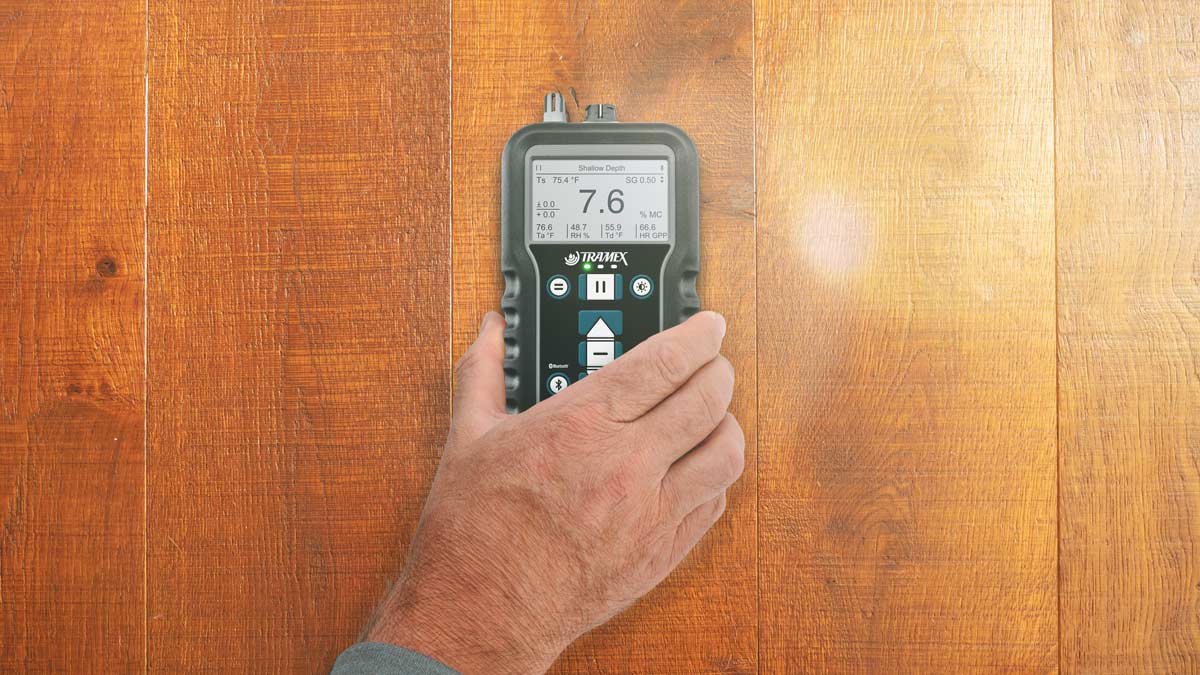
Professionals use moisture meters and thermal imaging to identify saturated areas beneath flooring.
Step 2: Controlled Access
In some cases, baseboards are removed to allow directional airflow into wall cavities and beneath flooring edges.
Step 3: Air Blower Placement
High-velocity air movers are positioned strategically to create airflow across affected zones.
For severe cases, specialized drying mats or injection systems may be used to direct airflow under hardwood without full removal.
Step 4: Dehumidification Support
Industrial dehumidifiers run simultaneously to pull moisture from the air and accelerate drying.
Step 5: Monitoring
Moisture levels are checked daily to confirm progress and avoid over-drying, which can cause cracking.
Professionals familiar with Palm Bay’s coastal climate, such as Inspections and More FL, understand how humidity and slab construction influence drying timelines.
When Flooring Can Be Saved
Early intervention makes a significant difference.
Hardwood flooring can often be preserved if:
- Drying begins within 24–72 hours
- Moisture levels are carefully monitored
- Structural components remain intact
- Warping is minimal
If moisture remains unchecked for extended periods, removal becomes more likely.
The goal of air blower installation is to reduce that risk and stabilize materials before permanent damage occurs.
Preventing Moisture Under Hardwood in Palm Bay
While storms and leaks cannot always be avoided, property owners can reduce risk by:
- Inspecting door and window seals regularly
- Monitoring indoor humidity (ideal range: 45–55%)
- Servicing HVAC systems annually
- Addressing plumbing leaks immediately
- Using dehumidifiers during peak humidity months
- Scheduling post-storm inspections
Homes in Melbourne and Merritt Island face similar challenges, but Palm Bay’s waterfront exposure increases the likelihood of moisture infiltration.
Why Local Experience Matters
Drying hardwood flooring in Florida requires different considerations than in dry climates.
Professionals with Palm Bay experience understand:
- Slab moisture migration patterns
- Salt air effects on flooring adhesives
- Storm-driven water entry paths
- Seasonal humidity fluctuations
Accurate moisture readings and equipment placement reduce unnecessary flooring removal and improve outcomes.
Local expertise leads to faster diagnosis and more efficient drying strategies.
A Practical Approach for Property Owners
Air blower installation under hardwood flooring becomes necessary in Palm Bay when water intrusion has allowed moisture to settle beneath surface materials.
It is not a cosmetic solution. It is a structural drying step designed to:
- Protect subfloors
- Prevent mold development
- Preserve flooring integrity
- Reduce long-term repair costs
When early signs of cupping, odor, or humidity changes appear after a water event, professional evaluation provides clarity.
In Florida’s humid coastal climate, moisture control is ongoing. With prompt detection and controlled air blower installation when needed, Palm Bay homes can maintain stable, durable hardwood flooring even after unexpected water exposure.