Why Dehumidification Becomes Necessary in Palm Bay After Heavy Rainstorms
That lingering moisture isn’t just uncomfortable. In Palm Bay, especially in neighborhoods near the Indian River Lagoon and canal systems, post-storm humidity can settle deep into walls, flooring, insulation, and air systems. That’s where professional dehumidification becomes necessary.
What Happens Inside a Home After Heavy Rain
When heavy rainstorms hit Palm Bay, several moisture pathways activate at once:
- Soil around the foundation becomes saturated
- Hydrostatic pressure pushes moisture toward slab edges
- Humid air enters through small gaps and vents
- Roof systems experience increased moisture load
- Crawl spaces trap damp ground air
- HVAC systems work harder, producing more condensation
Even if no standing water enters the home, indoor humidity can rise quickly — and stay elevated long after the storm passes.
Florida humidity doesn’t disappear just because the pavement dries.
Why Palm Bay Homes Are Especially Vulnerable
Palm Bay’s geography plays a major role in why dehumidification is often needed after storms.
High Water Tables
In many parts of Palm Bay, groundwater sits close to the surface. After prolonged rainfall, moisture pressure builds beneath slab foundations.
Concrete may feel dry on top while still absorbing moisture underneath.
Waterfront and Canal Exposure
Homes near the lagoon or waterways experience elevated ambient humidity year-round. After heavy rain, that baseline humidity spikes even higher.
Slab Foundations
Most Palm Bay homes sit on concrete slabs. Moisture can migrate upward through microscopic pores in the slab, increasing indoor humidity levels.
Attic Heat and Condensation
After a storm, humid air trapped in the attic meets cooling evening temperatures. Condensation can form on roof decking and ductwork.
All of these factors combine to create persistent indoor dampness.
Common Signs Dehumidification Is Needed
After heavy rainstorms, homeowners often notice:
- A musty or damp smell
- Windows fogging from the inside
- Air feeling thick or sticky
- Flooring slightly warmer or damp to the touch
- Baseboards separating from walls
- AC running constantly without achieving comfort
Sometimes there are no obvious signs — just a general discomfort that wasn’t there before the storm.
Ignoring these changes allows moisture to linger inside structural materials.
Where Moisture Hides After Storms
In Palm Bay homes, post-rain moisture often settles in:
Wall Cavities
Exterior walls absorb moisture from saturated soil and wind-driven rain.
Subfloors and Flooring
Hardwood and laminate trap moisture between planks and slab surfaces.
Crawl Spaces
Raised homes experience damp soil conditions that release moisture upward.
Attics
Poor ventilation combined with storm humidity creates condensation zones.
HVAC Ductwork
Cold air moving through warm, humid ducts produces surface condensation.
Without controlled drying, these areas remain vulnerable to microbial growth.
Why Air Conditioning Alone Is Not Enough
Many homeowners assume running the AC will remove excess moisture.
While AC systems do remove some humidity, they are not designed for post-storm structural drying.
Air conditioning:
- Cycles on and off
- May not run long enough to lower deep humidity levels
- Can struggle in extremely humid conditions
- Does not target moisture inside walls or flooring
When humidity stays elevated for days, structural components begin absorbing moisture.
That’s when dehumidification becomes necessary.
How Professional Dehumidification Works
Professional dehumidification is targeted and controlled.
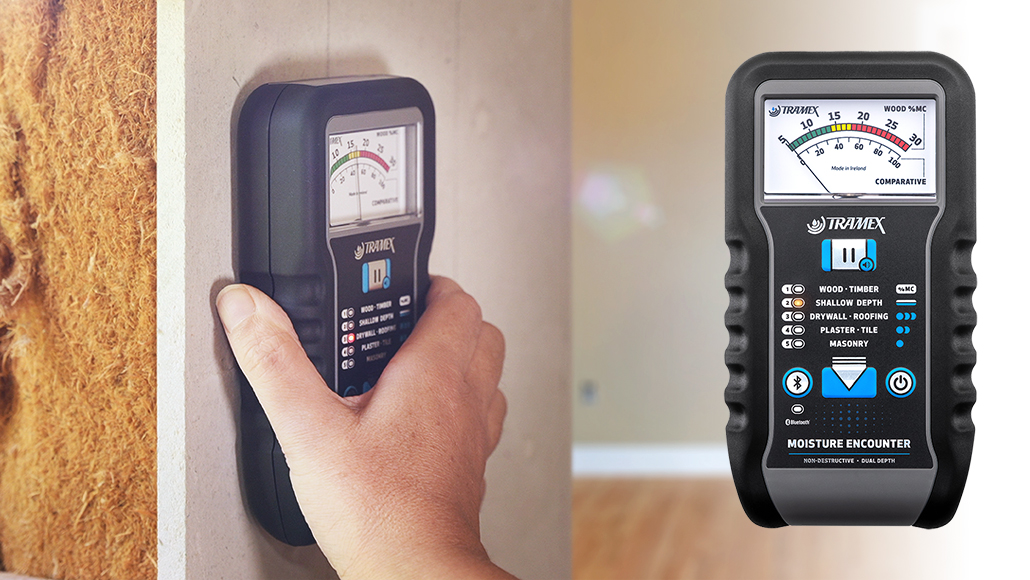
Step 1: Moisture and Humidity Assessment
Technicians measure:
- Indoor relative humidity
- Surface moisture levels
- Moisture inside drywall or flooring
- Temperature differentials
This confirms whether structural materials are holding moisture.
Step 2: Equipment Placement
Industrial-grade dehumidifiers are positioned strategically to maximize airflow across affected zones.
High-capacity units remove moisture from the air much faster than residential models.
Step 3: Air Movement Support
Air movers may be installed to push damp air toward dehumidifiers and accelerate evaporation.
Step 4: Monitoring
Moisture levels are checked daily to ensure drying is progressing and not over-drying sensitive materials.
Companies experienced in Palm Bay conditions, such as Inspections and More FL, understand how coastal humidity and slab construction affect drying timelines.
What Dehumidification Prevents
Timely dehumidification protects Palm Bay homes by preventing:
- Mold growth inside wall cavities
- Warping or cupping of hardwood floors
- Insulation deterioration
- Structural wood swelling
- Lingering musty odors
- HVAC contamination
Florida’s climate accelerates microbial development when moisture remains unchecked.
Even short periods of elevated humidity can create long-term issues.
Long-Term Prevention After Heavy Rainstorms
Property owners in Palm Bay can reduce recurring moisture problems by:
- Monitoring indoor humidity (ideal range: 45–55%)
- Ensuring proper grading away from the foundation
- Inspecting roof seals and flashing after storms
- Servicing HVAC systems annually
- Checking attic ventilation
- Inspecting crawl spaces for damp soil
Homes in nearby Melbourne and Merritt Island face similar coastal humidity, but Palm Bay’s combination of slab construction and waterfront exposure makes proactive moisture management especially important.
Why Local Experience Matters
Post-storm moisture behaves differently in coastal Florida than in dry climates.
Professionals familiar with Palm Bay understand:
- Hydrostatic pressure patterns after prolonged rainfall
- Slab foundation moisture migration
- Lagoon-influenced humidity spikes
- Storm-driven infiltration routes
- Evaporation delays caused by salt air
Accurate diagnosis prevents unnecessary demolition while ensuring proper drying.
Experience shortens recovery time and reduces repeat problems.
A Practical Approach After Heavy Rain
In Palm Bay, heavy rainstorms don’t have to mean major repairs — but they do require attention.
Dehumidification becomes necessary when indoor humidity remains elevated after storms, even if no visible flooding occurred.
It stabilizes:
- Structural materials
- Indoor air quality
- Flooring systems
- Insulation
- HVAC performance
In Florida’s humid environment, moisture management is ongoing. With timely assessment and professional dehumidification when needed, Palm Bay homes can recover quickly after heavy rain — staying dry, stable, and protected year-round.