
Why Mold Remediation Becomes Necessary in Sanford in Coastal Properties
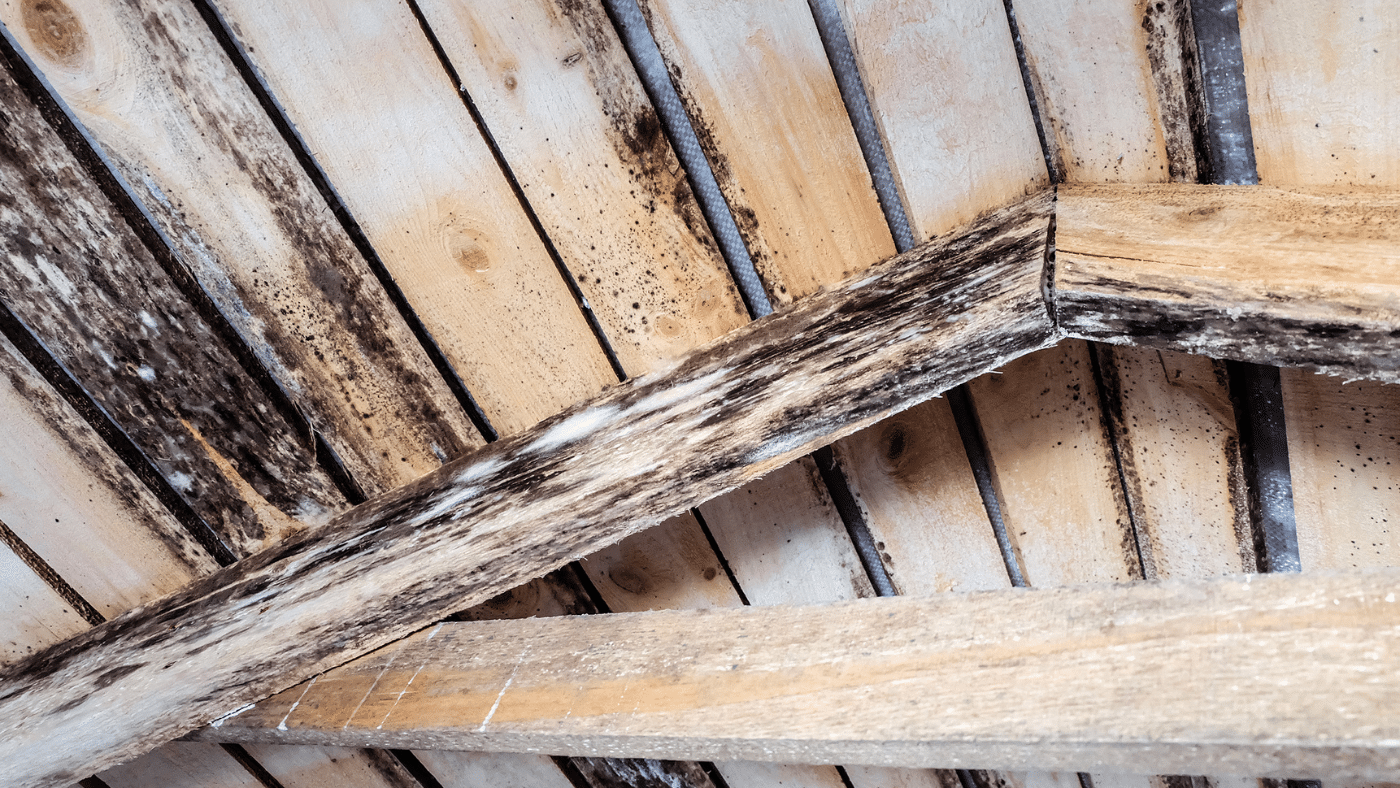
Sanford’s coastal-influenced climate creates beautiful waterfront views, steady breezes, and unfortunately, persistent humidity. While the city may not sit directly on the Atlantic shoreline, many properties near Lake Monroe, rivers, and low-lying areas experience the same moisture challenges as traditional coastal homes.
In these environments, mold remediation becomes necessary more often than property owners expect.
The combination of humidity, storm activity, aging construction, and moisture intrusion creates ideal conditions for mold growth. And in Sanford’s climate, small moisture issues rarely stay small for long.
Understanding why mold remediation becomes necessary helps homeowners and property managers respond early and prevent structural damage.
What Mold Remediation Really Means
Mold remediation is not simple surface cleaning.
It is a structured process designed to:
- Identify the moisture source
- Contain contaminated areas
- Remove affected materials
- Clean structural components
- Filter airborne particles
- Correct environmental conditions
In coastal properties in Sanford, remediation often addresses hidden growth inside walls, attics, crawl spaces, and HVAC systems.
Mold spores naturally exist in the air. They only become a problem when moisture allows them to grow and colonize building materials.
Once that growth spreads beyond a small isolated area, professional remediation becomes necessary.
Why Coastal Properties in Sanford Are More Prone to Mold
Sanford properties influenced by coastal and waterfront conditions face ongoing environmental stress.
Persistent Humidity
Relative humidity levels frequently remain high throughout the year. Even without visible leaks, moisture accumulates inside enclosed spaces.
Heavy Rainstorms
Summer thunderstorms and tropical weather systems introduce wind-driven rain into roofing systems, window frames, and siding.
High Water Table
Properties near water may experience soil saturation beneath slab foundations. Moisture can migrate upward through porous materials.
Older Construction
Many Sanford neighborhoods include homes built decades ago. Older insulation systems, outdated vapor barriers, and aging roofing materials increase vulnerability.
AC Condensation
Cooling systems operate heavily in Florida. When ductwork or air handlers develop condensation issues, moisture accumulates behind walls and ceilings.
These factors create a consistent moisture presence — the primary ingredient mold requires.
Early Warning Signs That Remediation Is Necessary
Mold rarely announces itself dramatically at first.
In Sanford coastal properties, warning signs often develop gradually.
Watch for:
- Musty odors
- Peeling paint near baseboards
- Soft drywall
- Warped flooring
- Dark staining along wall edges
- Visible mold in closets or corners
- Increased indoor humidity
- Ceiling discoloration after storms
If mold returns after cleaning, that typically indicates hidden growth within structural materials.
At that stage, remediation becomes necessary.
Where Mold Commonly Develops in Sanford Coastal Homes
Moisture doesn’t always stay visible. In many local cases, mold develops in concealed areas such as:
- Behind drywall
- Inside insulation
- Beneath laminate or tile flooring
- On attic roof decking
- Along crawl space framing
- Inside HVAC duct systems
- Around window penetrations
Attics are particularly vulnerable. Warm humid air rises, and if ventilation is insufficient, condensation forms on roof decking.
Crawl spaces in low-lying areas often trap moisture for extended periods, especially after storms.
Slab homes may experience moisture migration that affects lower drywall sections.
Without professional assessment, these hidden areas remain untreated.
Why DIY Mold Removal Usually Fails
It’s common for property owners to attempt quick fixes.
Typical DIY methods include:
- Spraying bleach on visible mold
- Repainting stained areas
- Running a portable dehumidifier
- Removing a small drywall section
While these steps may temporarily improve appearance, they rarely address the underlying moisture problem.
Bleach does not penetrate porous materials effectively.
Paint traps moisture beneath surfaces.
Dehumidifiers help with air moisture but cannot dry saturated framing inside walls.
Without correcting the moisture source, mold returns.
Remediation addresses both contamination and environmental conditions.
The Professional Mold Remediation Process
When remediation becomes necessary in Sanford coastal properties, the process follows a structured approach.
1. Moisture Source Identification
Locating leaks, drainage problems, roof failures, or humidity imbalances.
2. Containment Setup
Sealing affected areas to prevent spore spread during removal.
3. HEPA Air Scrubbing
Filtering airborne particles continuously.
4. Removal of Contaminated Materials
Discarding saturated drywall, insulation, or carpeting when required.
5. Structural Cleaning
Treating wooden framing and surfaces with appropriate solutions.
6. Anti-Microbial Application
Applying targeted treatments after cleaning.
7. Structural Drying
Using industrial dehumidifiers and air movers to reduce moisture levels.
8. Post-Remediation Verification
Confirming moisture levels are stable and contamination has been addressed.
Each step prevents recurrence.
Skipping containment or moisture correction often results in mold returning.
How Sanford’s Environment Complicates Remediation
Florida’s climate makes remediation more complex than in dry regions.
Humidity slows drying times.
Warm temperatures accelerate microbial growth.
Coastal air increases material deterioration.
Storm season introduces repeated moisture events.
Because of these factors, remediation in Sanford requires careful monitoring and controlled drying environments.
Simply removing visible mold does not protect against future growth.
Environmental stability must be restored.
Long-Term Prevention in Coastal Properties
Preventing recurring mold in Sanford properties involves proactive moisture management.
Helpful strategies include:
- Inspecting roofing systems annually
- Maintaining proper attic ventilation
- Installing or repairing vapor barriers
- Monitoring indoor humidity levels
- Servicing HVAC systems regularly
- Sealing window and door penetrations
- Ensuring proper grading around foundations
- Scheduling inspections after heavy storms
Coastal properties require consistent maintenance.
Ignoring minor moisture issues often leads to more extensive remediation later.
Lessons From Local Cases
Experience in Sanford coastal homes reveals consistent patterns.
- Small roof leaks frequently lead to attic mold
- Slab moisture migration affects lower drywall first
- Crawl spaces accumulate humidity faster near water
- Mold returns when humidity remains above safe levels
- Early intervention significantly reduces structural damage
Many homeowners initially overlook faint odors or small stains.
By the time visible mold appears, hidden growth has often expanded.
Remediation at that point prevents further structural compromise.
Why Local Experience Matters
Mold behavior in Sanford differs from dry climates.
Understanding:
- Local humidity cycles
- Water table behavior
- Storm-driven rain patterns
- Common construction styles
- HVAC condensation tendencies
ensures accurate diagnosis and long-term solutions.
Professionals familiar with Sanford’s environmental conditions recognize moisture patterns quickly and tailor remediation accordingly.
That experience reduces unnecessary demolition and prevents incomplete treatment.
A Practical Step Forward
Sanford’s coastal-influenced environment creates ongoing moisture pressure on homes and commercial properties.
When mold develops, remediation becomes necessary to restore structural integrity and maintain stable indoor conditions.
If you notice musty odors, recurring stains, or visible growth, early evaluation prevents more extensive damage later.
Addressing moisture thoroughly the first time protects your investment.
In Florida’s climate, humidity is constant — but recurring mold does not have to be.
