Understanding Air Scrubbing Challenges in Sanford After Hidden Water Intrusion
Hidden water intrusion in Sanford homes is more common than most property owners realize. It’s not always a burst pipe or visible ceiling collapse. Often, it’s a slow roof seep after a summer storm, minor slab-edge seepage after heavy rain, or AC condensation quietly feeding moisture into wall cavities.
What Hidden Water Intrusion Does to Indoor Air
When moisture enters structural materials and remains undetected:
- Drywall absorbs water
- Wood framing retains dampness
- Insulation traps humidity
- HVAC systems circulate moisture
Even if visible mold hasn’t appeared yet, elevated humidity and damp surfaces can release microscopic particles into the air.
Air scrubbing is designed to reduce those airborne contaminants. However, it only works effectively when part of a larger, controlled process.
Why Hidden Intrusion Is Common in Sanford
Sanford’s inland Florida climate contributes to recurring moisture concerns.
Heavy Rainstorms
Sudden downpours during storm season can force water into roof lines and window frames.
High Water Tables
Certain Sanford neighborhoods experience groundwater rise after prolonged rainfall, affecting slab edges.
AC Condensation
Air conditioning systems run most of the year. Poor drainage or insulation gaps create condensation buildup.
Older Construction
Many Sanford homes have aging materials that allow minor intrusion over time.
Hidden water intrusion often travels inside walls or beneath flooring before becoming noticeable.
What Air Scrubbing Actually Does
Air scrubbing uses HEPA filtration systems to capture airborne particles such as:
- Mold spores
- Dust
- Microscopic debris
- Contaminant fragments
The equipment pulls air through high-efficiency filters and releases cleaned air back into the space.
In cases of hidden intrusion, air scrubbing helps reduce airborne contamination while remediation or drying is underway.
However, it does not remove moisture from materials — and that’s where challenges arise.
Challenge 1: Moisture Must Be Corrected First
Air scrubbing is most effective after moisture sources are identified and stabilized.
If structural materials remain damp:
- New spores can continue releasing
- Air scrubbers will run longer
- Results may feel temporary
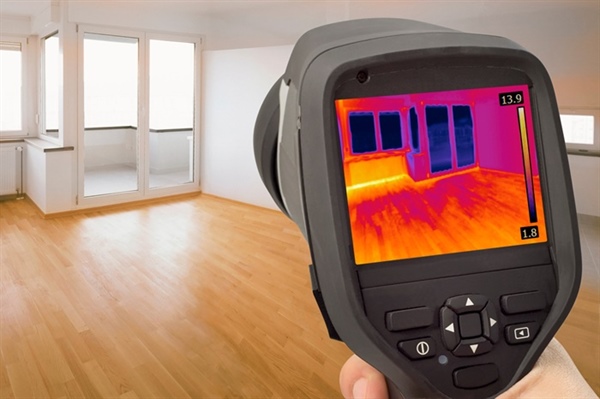
In Sanford homes, professionals first perform moisture detection using meters and sometimes thermal imaging.
Air scrubbing supports remediation — it does not replace drying or repair.
Challenge 2: Humidity Slows Air Stabilization
Sanford’s humidity makes air management more complex.
Even after hidden moisture is removed:
- Indoor humidity may remain elevated
- Evaporation continues from porous materials
- HVAC systems may struggle to maintain balance
Air scrubbers work best in controlled humidity environments. That’s why dehumidification is often paired with air scrubbing.
Without humidity control, airborne particles can re-circulate.
Challenge 3: HVAC Systems Can Spread Contamination
If hidden intrusion affected ductwork or air handlers:
- Contaminants may have circulated through the system
- Air scrubbers in one room may not address entire-home airflow
In Sanford homes, professionals evaluate HVAC systems alongside air scrubbing plans.
Sometimes duct cleaning or system inspection becomes part of the solution.
Challenge 4: Incomplete Containment
If water intrusion led to localized contamination inside a wall cavity, air scrubbing without containment may allow particles to spread.
Proper remediation often includes:
- Isolating affected areas
- Creating negative air pressure
- Using air scrubbers inside contained zones
This prevents cross-contamination.
Sanford properties with slab foundations often require careful airflow planning along wall bases.
Challenge 5: Timing and Duration
Air scrubbing is not a quick, one-hour process.
The duration depends on:
- Extent of contamination
- Size of the affected area
- Humidity levels
- Air exchange rates
In Florida’s climate, systems may run continuously for several days.
Stopping too early reduces effectiveness.
Professionals familiar with Sanford’s environmental conditions, such as Inspections and More FL, understand how local humidity influences runtime requirements.
The Professional Approach to Air Scrubbing After Hidden Intrusion
A structured process ensures air scrubbing supports long-term recovery.
Step 1: Moisture Detection
Identify hidden damp areas behind walls, under flooring, or in attics.
Step 2: Source Correction
Repair leaks, drainage issues, or condensation problems.
Step 3: Structural Drying
Install air movers and dehumidifiers to stabilize materials.
Step 4: Containment
Isolate affected zones if contamination is localized.
Step 5: Air Scrubber Installation
Place HEPA filtration units strategically to maximize airflow and particle capture.
Step 6: Monitoring
Measure humidity and air quality to confirm stabilization.
This layered approach ensures air scrubbing enhances, rather than masks, recovery.
Long-Term Protection Strategies for Sanford Homes
After hidden intrusion is addressed, prevention becomes the focus.
Homeowners can reduce future air quality challenges by:
- Monitoring indoor humidity (45–55% ideal range)
- Servicing HVAC systems annually
- Inspecting roofs and seals after storms
- Checking slab edges for moisture signs
- Using dehumidifiers during peak humidity months
- Scheduling routine moisture evaluations
Homes in nearby Lake Mary and other inland areas face similar humidity patterns, but Sanford’s proximity to water increases groundwater influence.
Ongoing moisture management reduces recurring air contamination.
Why Local Experience Matters
Airflow and moisture behavior in Central Florida differ from drier regions.
Professionals familiar with Sanford understand:
- Storm-driven intrusion patterns
- Slab foundation moisture migration
- AC condensation cycles
- Evaporation delays caused by persistent humidity
- How airborne particles move within Florida homes
Air scrubbing decisions depend on accurate diagnosis and environmental understanding.
Local expertise ensures equipment placement, runtime, and containment are properly managed.
A Practical Perspective for Sanford Property Owners
Air scrubbing after hidden water intrusion in Sanford is a protective step — but only when used correctly.
It helps reduce airborne contaminants while structural drying and remediation stabilize affected areas.
In Florida’s humid climate, moisture control and air quality management go hand in hand.
With proper detection, source correction, controlled drying, and strategic air scrubbing, Sanford homes can restore balanced indoor air conditions and prevent long-term structural impact from hidden water intrusion.