
How Mold Removal Protects Properties in Melbourne After Hidden Water Intrusion
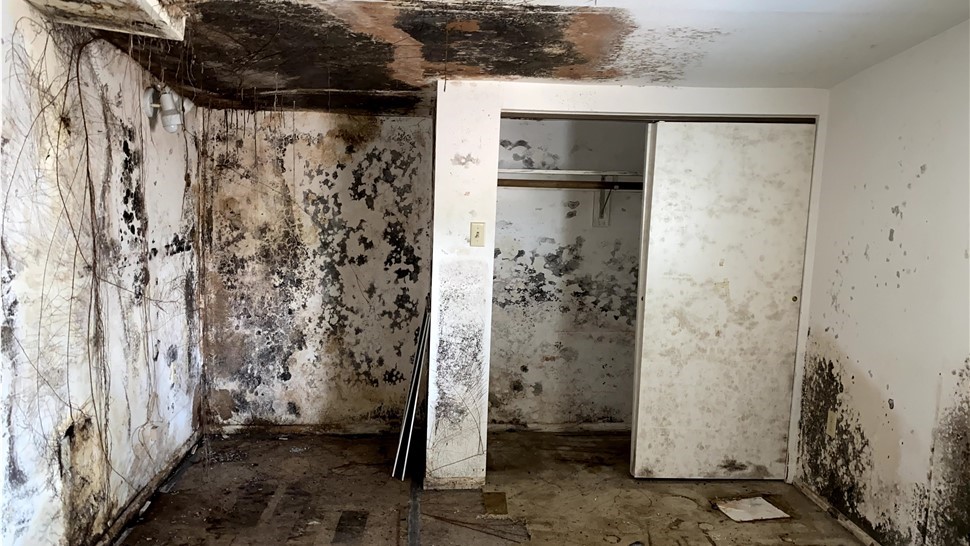
Hidden water intrusion is one of the most common and costly problems we see in Melbourne homes. It doesn’t always show up as standing water or dramatic ceiling stains. Sometimes it’s a slow roof leak during storm season. Sometimes it’s a small plumbing drip inside a wall. Other times, it’s AC condensation quietly soaking into insulation over months.
In Florida’s humid climate, it doesn’t take much moisture to create the perfect environment for mold growth. When water intrusion stays hidden, mold develops behind surfaces, spreads into structural materials, and compromises indoor air quality.
Proper mold removal isn’t just about cleaning visible spots. It’s about protecting the entire property from long-term structural damage and recurring moisture issues.
Let’s break down why hidden water intrusion is so common in Melbourne and how professional mold removal protects homes after it occurs.
What Hidden Water Intrusion Really Means
Hidden water intrusion refers to moisture entering parts of a home that aren’t immediately visible.
In Melbourne and surrounding areas like Palm Bay, Cocoa, and Merritt Island, we frequently see intrusion caused by:
- Wind-driven rain during storms
- Minor roof flashing failures
- Window seal breakdown
- Plumbing leaks inside walls
- AC drain line clogs
- Slab foundation moisture
Unlike flooding, these issues don’t always leave obvious puddles. Water seeps into:
- Wall cavities
- Insulation
- Subfloors
- Attics
- Crawl spaces
Once trapped, moisture lingers — especially in Florida’s warm, humid environment.
Why Melbourne Homes Are Especially Vulnerable
Melbourne’s coastal climate plays a major role in how water intrusion affects properties.
High Humidity Levels
Even without leaks, indoor humidity often runs high. When intrusion adds additional moisture, the structure cannot dry naturally.
Storm Season Pressure
Heavy rains and tropical systems push water into small exterior gaps. Repeated storms increase the chance of gradual intrusion.
Salt Air Exposure
Salt in the air slowly degrades building materials, especially around windows and roof components. That degradation creates pathways for moisture entry.
AC System Strain
Air conditioning systems run constantly. When condensate lines clog or insulation fails, hidden moisture accumulates behind walls or ceilings.
All of these conditions make hidden intrusion more common — and mold growth more aggressive.
Early Signs of Hidden Moisture Problems
Because water intrusion stays concealed, homeowners often notice subtle warning signs first.
Common indicators in Melbourne homes include:
- Musty odors that don’t go away
- Peeling paint or bubbling drywall
- Slight discoloration near baseboards
- Warped or cupped wood flooring
- Increased indoor humidity readings
- Rooms that feel persistently damp
By the time staining appears on drywall, mold may already be active behind the surface.
Why Mold Develops So Quickly After Intrusion
Mold spores already exist in indoor air. They only need three things to grow:
- Moisture
- Organic material (drywall, wood, insulation)
- Warm temperatures
Melbourne provides ideal warmth year-round. Add hidden moisture, and growth can begin within 24 to 48 hours.
Because hidden intrusion often goes unnoticed for weeks or months, mold colonies expand behind walls long before discovery.
How Mold Removal Protects Structural Materials
Professional mold removal prevents damage from spreading deeper into the structure.
Protecting Drywall and Framing
When mold infiltrates drywall, it weakens the material over time. If left untreated, framing lumber may absorb moisture and begin to deteriorate.
Removing contaminated sections early preserves surrounding structural components.
Preserving Subfloors and Flooring
Hidden leaks beneath flooring systems can compromise subfloors. Proper mold removal combined with structural drying stabilizes these materials before permanent warping or rot occurs.
Preventing Insulation Breakdown
Wet insulation loses effectiveness and becomes a breeding ground for mold. Removal and replacement prevent long-term attic or wall cavity contamination.
The Risk of Ignoring Hidden Mold
If mold remains untreated after water intrusion, several problems escalate:
- Structural weakening
- Persistent indoor humidity
- Recurring odors
- Spore spread through HVAC systems
- Decreased property value
- Ongoing moisture cycles
Surface cleaning does not address mold growing inside cavities. Without removal, the issue continues behind finished surfaces.
What Professional Mold Removal Involves
After hidden water intrusion is identified, proper removal follows a structured process.
1. Inspection and Moisture Mapping
Technicians measure:
- Indoor humidity
- Moisture content inside walls and floors
- Attic and crawl space conditions
- HVAC system contamination
Thermal imaging often reveals cooler areas that indicate trapped moisture.
2. Containment Setup
Affected areas are isolated using containment barriers to prevent spores from spreading into unaffected rooms.
Air scrubbers filter airborne particles during the process.
3. Removal of Contaminated Materials
Heavily affected drywall, insulation, or other porous materials are removed carefully.
Non-porous structural elements are cleaned and treated appropriately.
4. Cleaning and Surface Treatment
Remaining materials are:
- HEPA vacuumed
- Professionally cleaned
- Treated with antimicrobial solutions
- Dried to safe moisture levels
5. Dehumidification and Structural Drying
Industrial dehumidifiers and air movers reduce humidity and pull moisture from framing and subfloors.
6. Source Correction
This step protects the property long-term. Repairs may include:
- Roof flashing fixes
- Window resealing
- Plumbing repair
- AC maintenance
- Improved ventilation
Companies like Inspections and More FL emphasize source correction because removal without prevention leads to repeat issues.
Why DIY Cleanup Often Fails
When homeowners discover mold after hidden water intrusion, it’s common to attempt surface cleaning.
However:
- Bleach does not penetrate drywall effectively.
- Scrubbing spreads spores if containment is absent.
- Hidden moisture remains untreated.
- Structural drying does not occur.
Without professional tools and monitoring, moisture may stay inside framing materials even if surfaces appear clean.
Long-Term Protection for Melbourne Homes
Proper mold removal protects properties in multiple ways:
- Restores structural integrity
- Stabilizes indoor humidity
- Reduces risk of recurring growth
- Preserves insulation performance
- Maintains indoor air quality
- Protects resale value
Melbourne’s climate demands proactive moisture control. Hidden water intrusion will happen in many homes over time. The key is identifying it early and addressing it thoroughly.
Preventing Future Hidden Intrusion
Homeowners in Melbourne can reduce risk by:
- Inspecting roofs before storm season
- Cleaning gutters regularly
- Checking window seals annually
- Monitoring indoor humidity
- Servicing AC systems
- Scheduling periodic moisture evaluations
Regular inspections catch minor intrusion before mold removal becomes necessary.
Why Local Experience Matters
Hidden water intrusion in Florida behaves differently than in dry climates.
Melbourne homes face:
- Storm-driven rain pressure
- High coastal humidity
- Slab foundation moisture retention
- Salt air material degradation
Professionals familiar with these conditions diagnose faster and implement more accurate moisture control strategies.
Inspections and More FL works throughout Melbourne and surrounding communities, applying Florida-specific solutions that address both removal and prevention.
A Practical Next Step
If your Melbourne property shows signs of hidden moisture — persistent odors, damp surfaces, or unexplained humidity — a professional evaluation can determine whether mold removal is necessary.
Acting early protects structural materials, prevents further spread, and restores balance inside the home. Hidden water intrusion may start quietly, but proper mold removal ensures it doesn’t become a long-term problem for your property.
