Mold Remediation in Sanford Inside Attic Spaces: Cost Factors and Recovery Insights
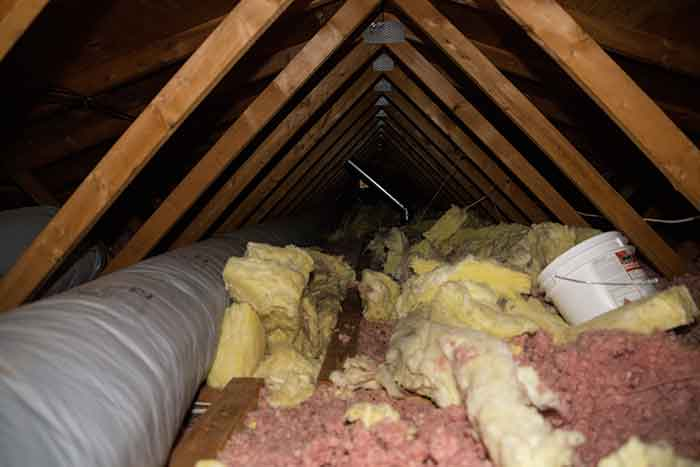
In Sanford’s humid inland Florida climate, attic spaces often hide the early stages of moisture-related problems long before they become visible in living areas. Roof leaks, poorly vented bathrooms, AC condensation, and storm pressure all contribute to elevated attic humidity — and where moisture lingers, mold can begin developing quietly inside attic decking, rafters, insulation, and other structural surfaces.
Why Attic Mold Is More Common in Sanford
Sanford’s climate and building conditions contribute:
- High humidity year-round: Moisture tends to linger even after rain stops.
- Storm intrusion: Wind-driven rain enters small roof openings.
- AC-related condensation: Poor duct insulation or bathroom fans venting into attics add moisture.
- Poor attic ventilation: Older homes may lack balanced intake and exhaust airflow.
- Temperature fluctuations: Warm attic air meeting cooler roof decking creates condensation zones.
Mold spores are always present in the air. They only become a problem when they find moisture and a food source — such as wood or paper-faced insulation.
Common Signs Homeowners Notice Before Calling for Remediation
Often, issues above the living space show up first:
- Musty or “earthy” odors near ceilings
- Water stains or discoloration on the top-floor ceilings
- Sagging insulation that looks wet or compacted
- Dark spots on attic wood framing
- HVAC systems that seem less efficient
- Heat signatures on walls near external roof lines
Sometimes the only clue is a vague sense that the home “feels more humid” even with the AC running.
Cost Factors in Attic Mold Remediation
Attic mold remediation cost varies widely — and that’s because several key factors influence the scope of work. Here are the most important ones:
1. Extent of Contamination
More contaminated space means more labor and containment:
- Is the mold localized to a small area?
- Or widespread across sheathing and insulation?
- Has it penetrated deep into framing or just surface staining?
Small isolated areas may cost much less than full-attic remediation.
2. Accessibility
Attics range from easy walk-in spaces to tight, kneewall crawl areas.
Harder access:
- Increases labor time
- May require specialized equipment
- Often leads to higher cost per square foot
3. Severity of Moisture Involvement
When moisture is only superficial:
- Cleaning may be limited to surface-level techniques
When structural wood is damp or insulation is soaked:
- More extensive removal and drying may be required
- Drying equipment rental adds cost
4. Ventilation and HVAC Interaction
If the mold issue has impacted HVAC systems or ductwork:
- Duct cleaning or HVAC assessment may be needed
- Air scrubbing becomes a part of the remediation
- Cost adjusts to accommodate this added step
5. Need for Structural Drying
In humid, coastal or storm-impacted climates like Sanford’s, mold without moisture correction rarely stays resolved.
Structural drying may involve:
- Industrial dehumidifiers
- Air movers
- Temporary ventilation setups
This adds to the overall cost but is essential for long-term success.
6. Containment Requirements
During remediation, professionals may:
- Create negative pressure zones
- Install plastic containment barriers
- Use air scrubbers to filter airborne spores
These precautions protect the rest of the home but add to cost.
7. Encapsulation (When Appropriate)
If framing shows past damage or staining:
- Specialty coatings may be applied after cleaning
- This provides long-term resistance but increases cost
Encapsulation is not always used — only when professionals determine it adds value.
Step-by-Step Professional Remediation Overview
Understanding the process helps set realistic expectations.
Step 1: Comprehensive Inspection
Technicians assess:
- Moisture levels with meters
- Thermal imaging to detect hidden damp zones
- Attic airflow and ventilation
- Extent of visible contamination
This evaluation determines the true scope before any remediation begins.
Step 2: Moisture Source Correction
Moisture caused the problem. Removing it is essential.
This can involve:
- Repairing roof leaks
- Fixing HVAC condensation issues
- Improving attic ventilation
No remediation plan is complete without source correction.
Step 3: Containment and Preparation
Before cleaning, professionals:
- Seal attic access points
- Set up barriers to minimize spore spread
- Run HEPA air scrubbers during work
Containment protects living spaces and indoor air.
Step 4: Removal of Affected Materials
Depending on severity:
- Contaminated insulation may be removed
- Severely compromised framing may be replaced or reinforced
- Only materials beyond remediation are removed
Most remediation aims to preserve structural elements when possible.
Step 5: Cleaning and Treatment
Professionals use:
- Physical and chemical cleaning methods approved for structural wood
- HEPA vacuuming
- Anti-microbial treatments (when appropriate)
Note: Solutions are chosen based on safety and effectiveness — not surface bleaching.
**Step 6: Controlled Drying
Once cleaned, surfaces must be dried:
- High-pressure air movers enhance evaporation
- Dehumidifiers remove moisture from the air
- Technicians monitor moisture levels daily
Proper drying prevents recurrence.
**Step 7: Verification and Clearance
Before closing the attic:
- Moisture readings must be within safe ranges
- Air scrubbers may be run to clear remaining spores
- Final inspection confirms successful remediation
No cosmetic repairs should begin until full drying and evaluation are complete.
Typical Timeline for Attic Mold Remediation
Drying and remediation timelines vary depending on severity:
- Minor contamination: 1–3 days
- Moderate contamination with drying: 3–7 days
- Severe moisture penetration: 7–14+ days
Humidity levels in Sanford can extend drying time without professional equipment.
Recovery Insights for Homeowners
Here are practical lessons from professionals:
Early Detection Saves Money
Waiting until stains or visible mold spread only increases removal and repair cost.
Moisture Correction Prevents Recurrence
Cleaning alone rarely prevents return if humidity or leaks remain.
Controlled Drying Is Not Optional
Even in attics that feel dry to the touch, moisture may hide deep inside wood and insulation — professional drying equipment speeds up recovery and protects structure.
**Air Scrubbing Enhances Safety
Air scrubbers reduce airborne spores during remediation — critical in homes with occupants sensitive to airborne contaminants.
**Ventilation Matters
Inadequate attic ventilation contributes to recurring moisture problems. Upgrading vents and airflow often pays long-term dividends.
A Practical Takeaway for Sanford Homeowners
Mold remediation in attic spaces is more than just cleaning what you can see.
Successful recovery requires:
- Identifying the true moisture source
- Measuring hidden dampness
- Targeted cleaning and removal
- Structural drying
- Monitoring and verification
Cost depends on contamination severity, accessibility, HVAC involvement, source correction needs, and whether drying and containment are required.
But when performed correctly, mold remediation protects:
- Structural integrity
- Indoor air quality
- Property value
- Long-term durability
In Sanford’s humid coastal climate, attic moisture issues benefit from proactive detection and professional remediation — not guesswork.