
After Hidden Water Intrusion in Cocoa: A Closer Look at Air Blower Installation
Hidden water intrusion is one of the most common issues affecting homes in Cocoa. It rarely starts with a dramatic ceiling collapse or standing water. More often, it begins quietly — a small roof leak during storm season, a slow plumbing drip inside a wall, or wind-driven rain seeping through aging window seals.
In Florida’s warm, humid climate, it doesn’t take much moisture to create a serious problem. When water intrusion goes unnoticed, damp materials trap moisture, humidity rises indoors, and mold growth becomes a real risk.
That’s where air blower installation plays a critical role.
But air blowers are not just fans placed randomly in a room. After hidden water intrusion in Cocoa, proper installation requires strategy, moisture assessment, and careful monitoring.
Let’s take a closer look at how air blower installation protects properties and what homeowners should understand about the process.
What Hidden Water Intrusion Looks Like in Cocoa Homes
Hidden water intrusion refers to moisture entering areas that aren’t immediately visible.
In Cocoa and nearby communities like Merritt Island and Melbourne, common causes include:
- Wind-driven rain during tropical storms
- Minor roof flashing failures
- Window seal breakdown
- AC condensate line clogs
- Slab foundation moisture seepage
- Plumbing leaks inside walls
These issues often go unnoticed until secondary signs appear.
Homeowners typically report:
- A musty odor that lingers
- Slight discoloration along baseboards
- Warped or cupped hardwood floors
- Peeling paint near windows
- Indoor air that feels damp or heavy
By the time these symptoms show up, moisture has often been present for weeks.
Why Cocoa’s Climate Complicates Drying
Cocoa’s coastal location creates unique drying challenges.
High Humidity Levels
Outdoor humidity frequently stays above 70% — and after storms, it can exceed 80%. Opening windows rarely helps. Instead, it introduces more moisture into the home.
Salt Air Exposure
Salt air accelerates wear on metal components, including ventilation systems and HVAC hardware. Over time, airflow efficiency can decline.
Repeated Rain Cycles
Storms often arrive back-to-back. A home that begins drying may absorb moisture again days later.
High Water Table
Ground saturation can increase during prolonged rainfall, raising crawl space and slab foundation moisture levels.
All of these factors mean hidden water intrusion in Cocoa cannot be resolved by natural ventilation alone.
What Air Blower Installation Is Designed to Do
Air blowers — also known as air movers — increase air circulation across damp surfaces.
After hidden water intrusion, they help:
- Accelerate evaporation from wet materials
- Prevent stagnant air pockets
- Support dehumidification
- Reduce the chance of mold growth
- Stabilize moisture levels inside walls and flooring
Airflow is essential because moisture does not evaporate efficiently in still air.
However, installation must be precise.
The First Step: Moisture Assessment
Before any air blower is installed, a proper moisture evaluation is critical.
Technicians assess:
- Indoor relative humidity
- Moisture content in drywall and flooring
- Attic and crawl space conditions
- HVAC performance
- Potential active intrusion sources
Thermal imaging may reveal cooler areas behind walls that indicate trapped moisture.
Without identifying where moisture exists, airflow placement becomes guesswork.
Correcting the Source of Intrusion
Air blowers cannot solve ongoing leaks.
If hidden water intrusion continues due to:
- Roof damage
- Window failure
- Plumbing leaks
- AC drainage problems
Moisture will return even after drying.
Source correction is a required part of responsible airflow installation.
Strategic Air Blower Placement
Proper placement makes a significant difference in effectiveness.
Common placement strategies include:
- Directing airflow across hardwood flooring at a low angle
- Positioning blowers along baseboards where moisture collects
- Installing units in hallways to create cross-ventilation
- Supporting airflow in attic spaces above insulation
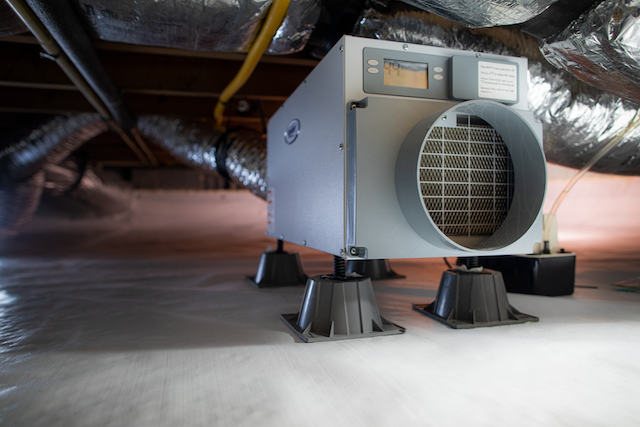
- Circulating air inside crawl spaces
Placing a blower in the center of a room without targeting damp materials reduces efficiency.
Each Cocoa property has unique moisture patterns, so placement must match the affected areas.
Combining Air Blowers With Dehumidification
Air blowers increase evaporation. But evaporated moisture enters the air.
If no dehumidifier is present to remove that moisture, humidity levels can rise further.
In Cocoa’s humid climate, this balance is especially important.
Professional setups typically combine:
- High-capacity air blowers
- Industrial dehumidifiers
- Continuous humidity monitoring
This coordinated system ensures moisture leaves the structure rather than recirculates indoors.
Monitoring the Drying Process
Hidden water intrusion rarely resolves in one day.
Moisture readings must be monitored regularly to:
- Track progress
- Avoid over-drying certain materials
- Ensure hidden cavities reach safe levels
- Confirm humidity stabilizes between 40–55%
Removing equipment too early allows moisture to linger inside structural materials.
Areas Often Overlooked After Intrusion
In Cocoa homes, hidden moisture often remains in areas homeowners rarely inspect.
Behind Walls
Drywall may feel dry on the surface while insulation behind it remains damp.
Under Flooring
Subfloors absorb moisture slowly. Airflow must reach beneath flooring when possible.
Attics
Wind-driven rain can dampen insulation without visible ceiling stains.
Crawl Spaces
Ground moisture can rise after prolonged rainfall, affecting framing and subfloor areas.
Comprehensive airflow plans consider the entire structure.
Why DIY Airflow Attempts Fall Short
Homeowners often try using household fans after discovering moisture.
Unfortunately:
- Standard fans lack sufficient power
- Placement is often incorrect
- No humidity monitoring occurs
- Moisture sources remain untreated
DIY drying may improve surface conditions but leave hidden moisture behind.
Without proper tools and monitoring, mold risk remains.
How Proper Air Blower Installation Protects the Property
When installed correctly, air blowers help:
- Prevent mold growth after intrusion
- Preserve structural framing
- Protect flooring systems
- Reduce long-term humidity stress
- Restore indoor air balance
- Maintain property value
Airflow, when combined with moisture control, stabilizes materials before permanent damage occurs.
Companies like Inspections and More FL emphasize structured airflow installation because Cocoa’s coastal climate requires precision.
Preventing Future Hidden Intrusion
While some water intrusion is unavoidable during Florida storm season, homeowners can reduce risk by:
- Inspecting roofs before heavy rain periods
- Sealing windows and exterior gaps
- Maintaining AC condensate lines
- Monitoring indoor humidity
- Checking crawl spaces after storms
- Scheduling periodic moisture evaluations
Early detection prevents small moisture issues from becoming larger structural concerns.
A Practical Next Step
If your Cocoa home shows signs of hidden moisture — persistent odors, warped flooring, or elevated humidity — a professional evaluation can determine whether air blower installation is necessary.
With proper assessment, strategic placement, and coordinated dehumidification, airflow solutions protect properties from the long-term effects of hidden water intrusion in Florida’s demanding coastal climate.
