
Inside Commercial Buildings in Cocoa: A Closer Look at Dehumidification
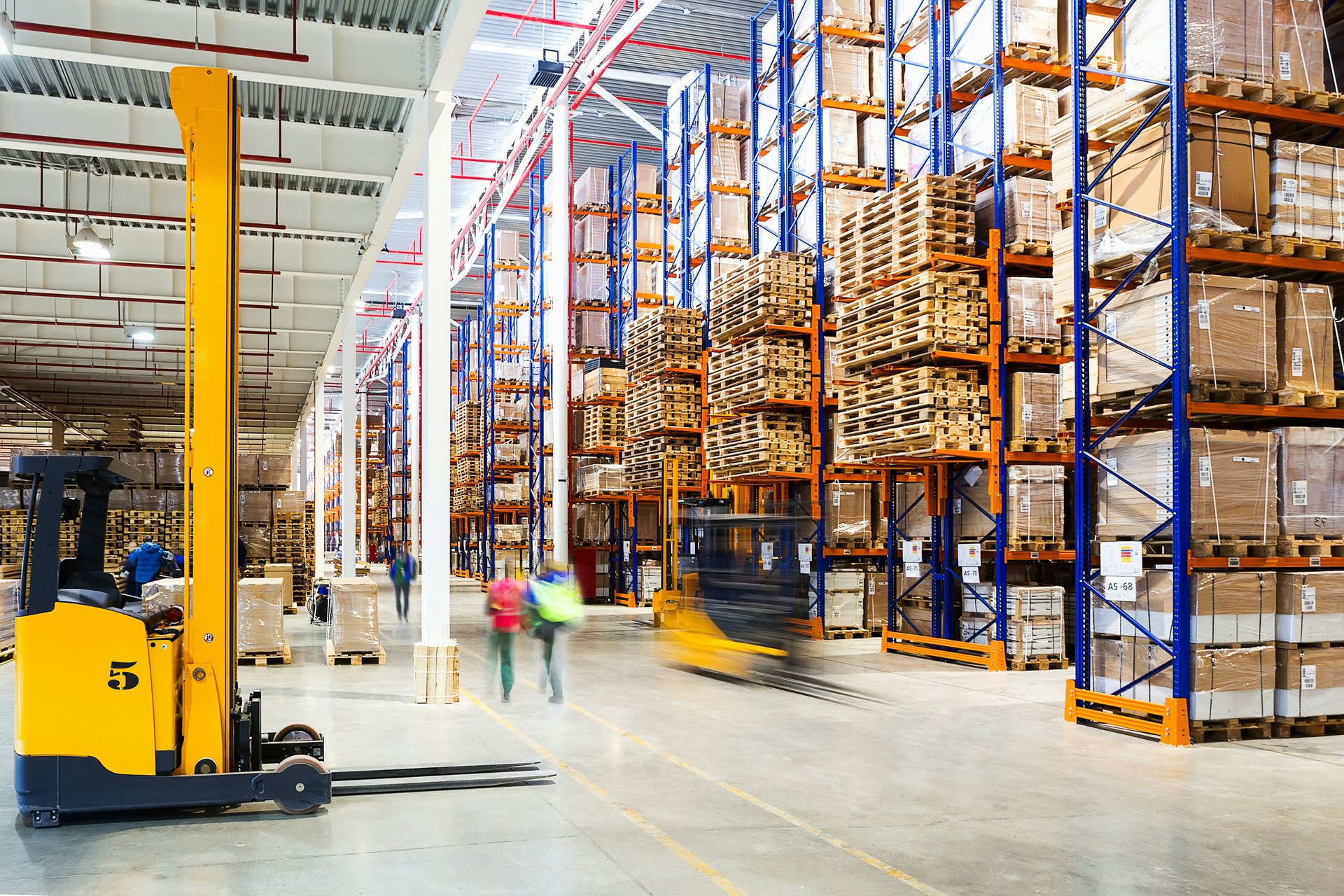
Commercial buildings in Cocoa face a different kind of humidity challenge than residential homes. Larger square footage, constant occupancy, rooftop HVAC systems, and Florida’s year-round moisture create conditions where humidity control becomes critical.
In a coastal city like Cocoa — where salt air, high water tables, and storm-driven rain are part of daily life — dehumidification isn’t optional. It’s a structural protection strategy.
When humidity rises inside commercial properties, it affects more than comfort. It impacts building materials, indoor air balance, equipment performance, and long-term operational costs.
Let’s take a closer look at why dehumidification matters so much inside Cocoa’s commercial buildings and how it protects these properties from hidden moisture damage.
Why Humidity Is a Bigger Issue in Commercial Spaces
Commercial properties — including offices, retail stores, warehouses, medical facilities, and mixed-use buildings — operate differently from homes.
They often have:
- Larger open areas
- High ceilings
- Rooftop HVAC systems
- Frequent door openings
- High occupant turnover
- Equipment generating heat
In Cocoa’s humid environment, these factors allow outside moisture to enter constantly.
Every time exterior doors open, humid air flows inside. Rooftop units struggle to maintain balance when outdoor humidity remains elevated for days.
Without proper dehumidification, indoor moisture levels gradually rise.
Cocoa’s Coastal Climate and Its Impact
Cocoa’s location near the Indian River Lagoon and the Atlantic coastline means humidity is part of the environment year-round.
Several local conditions intensify the issue:
Persistent Coastal Humidity
Even on dry days, humidity levels often stay above 70%. After storms, they can exceed 80% for extended periods.
Salt Air Exposure
Salt air accelerates corrosion on HVAC components, ductwork, and metal framing. Over time, system efficiency decreases, reducing moisture removal capacity.
Storm Season Saturation
Heavy rain and tropical systems increase groundwater levels and saturate surrounding soil. Commercial slab foundations may experience elevated moisture pressure.
High Occupancy Patterns
Retail and office spaces in Cocoa experience frequent traffic. Each entry point introduces humid air.
All of these conditions create a steady moisture load that commercial buildings must manage daily.
Signs Dehumidification Is Needed in Commercial Buildings
Humidity problems often start subtly.
Property managers in Cocoa may notice:
- Condensation on windows or metal surfaces
- Musty odors in common areas
- Warping wood trim or laminate flooring
- Ceiling tile discoloration
- Persistent damp feeling indoors
- Increased HVAC runtime
- Mold growth in storage areas
In warehouses, high humidity may affect stored inventory. In offices, excess moisture can cause discomfort and productivity issues.
Without intervention, moisture accumulates inside materials and systems.
How Dehumidification Protects Structural Materials
Commercial buildings contain a variety of moisture-sensitive materials:
- Drywall
- Acoustic ceiling tiles
- Insulation
- Framing lumber
- Carpet and subflooring
- Office furniture
When humidity remains elevated above 60%, these materials begin absorbing moisture.
Over time, that can lead to:
- Material breakdown
- Ceiling sagging
- Adhesive failure in flooring
- Rusting of metal components
- Increased mold risk
Dehumidification stabilizes indoor humidity levels, protecting structural integrity and finish materials.
The Role of HVAC Systems in Humidity Control
Many commercial buildings rely solely on air conditioning systems for moisture removal.
While AC units do remove humidity, they are primarily designed for temperature control.
In Cocoa’s humid climate, HVAC systems may:
- Short-cycle due to oversized units
- Struggle during extended rain periods
- Lose efficiency from salt air corrosion
- Develop clogged condensate lines
When HVAC systems cannot maintain balanced humidity, supplemental dehumidification becomes necessary.
What Professional Dehumidification Involves
Effective dehumidification inside commercial properties requires more than placing a portable unit in a corner.
A structured approach typically includes:
1. Humidity Assessment
Technicians measure:
- Indoor relative humidity
- Surface moisture readings
- Airflow patterns
- HVAC performance
- Areas with poor ventilation
In commercial spaces, humidity levels should remain between 40% and 55%.
2. Identifying Moisture Sources
Excess humidity may originate from:
- Poor building envelope sealing
- Rooftop HVAC inefficiencies
- Open loading docks
- Crawl space moisture intrusion
- Roof leaks
- High occupant density
Addressing the source is essential for long-term stability.
3. Equipment Sizing and Placement
Commercial dehumidifiers must match the building’s size and moisture load.
Placement focuses on:
- High-traffic entry points
- Storage areas
- HVAC return zones
- Interior spaces with limited airflow
Proper airflow distribution ensures even humidity control.
4. Ongoing Monitoring
Humidity levels should be tracked regularly to confirm stabilization.
Commercial properties often benefit from permanent humidity monitoring systems.
Companies like Inspections and More FL understand Cocoa’s climate and apply targeted dehumidification strategies suited to coastal commercial environments.
Areas Often Overlooked in Commercial Buildings
Humidity problems often hide in areas not regularly inspected.
Storage Rooms
Boxes and shelving restrict airflow, creating microclimates where moisture accumulates.
Drop Ceilings
Ceiling plenum spaces can trap humid air, leading to tile staining and hidden mold growth.
Mechanical Rooms
Equipment rooms generate heat, which interacts with humid air and increases condensation risk.
Slab Foundations
Ground moisture can migrate upward if vapor barriers are compromised.
Dehumidification plans must account for these hidden zones.
The Cost of Ignoring Humidity
Allowing humidity to remain elevated inside commercial buildings leads to long-term expenses.
Potential consequences include:
- Increased maintenance costs
- Flooring replacement
- Ceiling tile damage
- HVAC strain and premature failure
- Inventory loss
- Mold remediation
Humidity may seem harmless at first, but in Cocoa’s climate, it compounds over time.
Preventing Future Humidity Issues
Commercial property owners in Cocoa can reduce risk by:
- Inspecting rooftop HVAC systems regularly
- Cleaning condensate lines
- Sealing building envelope gaps
- Installing humidity monitoring systems
- Scheduling seasonal inspections before storm season
- Improving airflow in storage areas
Proactive maintenance reduces the likelihood of emergency dehumidification needs.
Why Local Experience Matters in Cocoa
Humidity control in Florida differs from other regions.
Cocoa’s commercial buildings face:
- Coastal salt exposure
- High year-round humidity
- Storm-season moisture spikes
- Slab foundation moisture interaction
- Rapid mold growth potential
Professionals familiar with these local factors diagnose faster and implement more effective humidity control strategies.
Understanding how Florida humidity behaves inside large commercial spaces is essential for accurate dehumidification planning.
A Practical Next Step for Cocoa Property Owners
If your commercial building in Cocoa shows signs of persistent dampness, condensation, or unexplained humidity increases, a professional evaluation can determine whether enhanced dehumidification is necessary.
Managing humidity proactively protects structural materials, reduces mold risk, extends HVAC lifespan, and maintains a comfortable indoor environment for employees and visitors alike.
In Cocoa’s coastal climate, dehumidification isn’t just about comfort — it’s about long-term building preservation.
