
Understanding Anti-Microbial Fogging Challenges in Merritt Island After Roof Failures
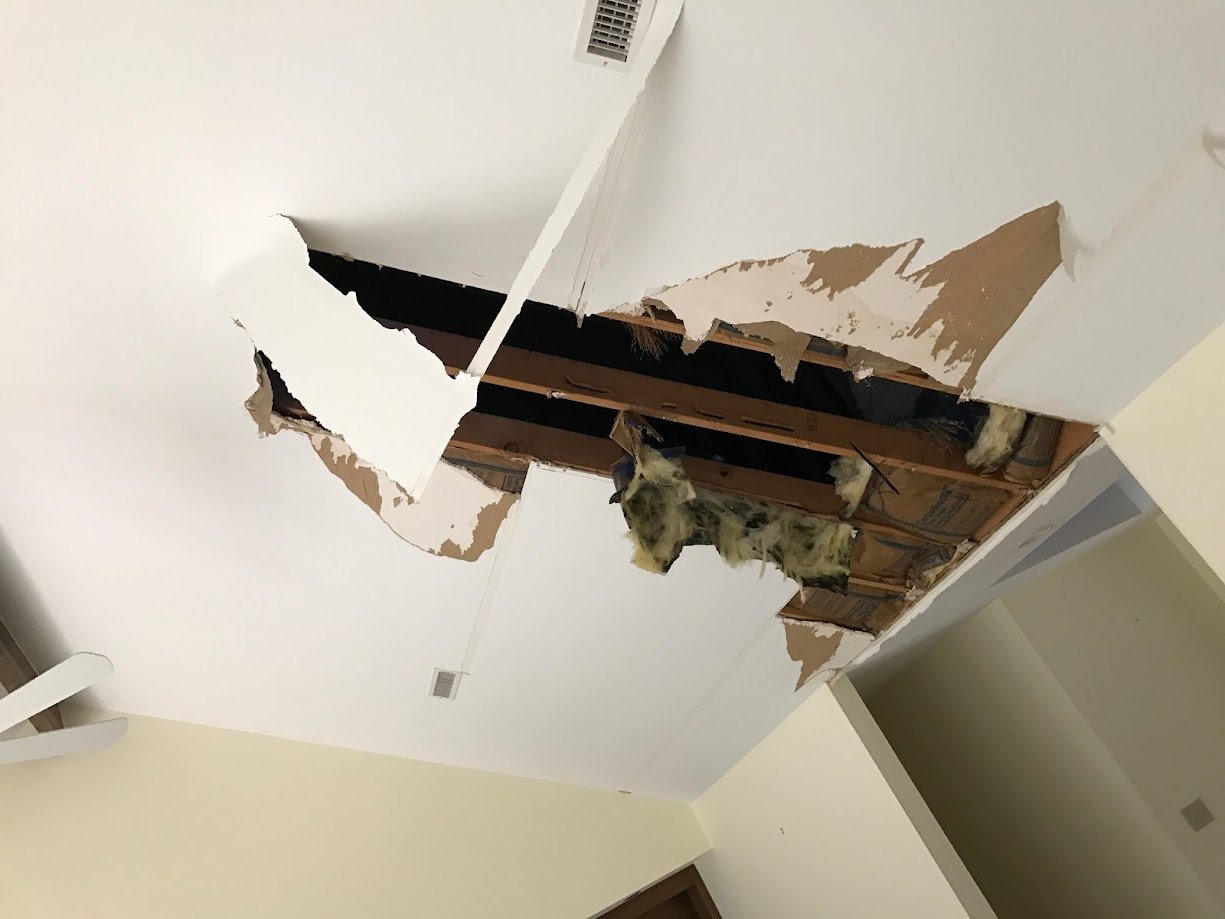
Roof failures in Merritt Island are rarely simple events. Between coastal storms, heavy rain bands, and persistent humidity, even minor roof damage can allow water to enter attic spaces, wall cavities, and ceiling materials. Once moisture infiltrates these areas, mold growth can begin quickly — often before visible damage appears.
After roof repairs are completed, many property owners ask about anti-microbial fogging as part of the restoration process. Fogging can play an important role in reducing microbial presence and treating exposed surfaces. However, in Merritt Island’s coastal climate, there are specific challenges that must be addressed for fogging to be effective.
Understanding those challenges helps ensure the process supports long-term structural protection rather than acting as a temporary fix.
What Happens Inside a Home After Roof Failure
When roofing materials fail — whether from lifted shingles, flashing damage, or storm-driven rain — water often enters attic spaces first.
In Merritt Island homes, that intrusion typically leads to:
- Wet attic insulation
- Moisture absorption in roof decking
- Ceiling drywall saturation
- Water traveling down wall framing
- Increased indoor humidity
Even small leaks can affect large areas due to gravity and capillary action. Water doesn’t always drip straight down. It spreads across surfaces before finding a path downward.
Because Florida’s climate remains warm and humid, damp materials rarely dry on their own.
The Purpose of Anti-Microbial Fogging
Anti-microbial fogging involves dispersing a fine mist of specialized solution into the air. The fog settles onto exposed surfaces and helps reduce microbial contamination.
After roof failures, fogging may be used to:
- Treat exposed framing
- Reduce surface mold spores
- Address odor-causing bacteria
- Sanitize affected structural components
- Support broader remediation efforts
However, fogging is not a substitute for removing saturated materials or correcting moisture sources.
That’s where the challenges begin.
Challenge #1: Moisture Must Be Controlled First
One of the most common misconceptions is that fogging alone solves a mold problem.
In Merritt Island’s humid environment, moisture control comes first.
If materials remain damp after roof failure:
- Mold can continue growing beneath surfaces
- Fogging will not penetrate saturated insulation
- Humidity will reactivate microbial growth
Before fogging occurs, professionals must ensure:
- The roof is fully repaired
- Active leaks are stopped
- Structural drying has begun
- Humidity levels are stabilized
Without drying, fogging provides only temporary surface treatment.
Challenge #2: Hidden Moisture in Attic Spaces
Attics in Merritt Island properties often trap moisture after roof failures.
Wet insulation can hold water for extended periods. Roof decking may absorb moisture without obvious staining inside living areas.
Fogging cannot effectively treat areas where:
- Insulation remains saturated
- Mold is growing within porous materials
- Framing remains damp
In many cases, damaged insulation must be removed before fogging can reach structural surfaces.
Ignoring this step limits effectiveness.
Challenge #3: Coastal Humidity Interference
Merritt Island’s coastal location creates constant ambient humidity. After storms, humidity levels may remain elevated for days.
If indoor relative humidity stays above 60%, microbial growth conditions persist even after fogging.
Effective fogging requires:
- Controlled indoor humidity
- Dehumidification during and after treatment
- Proper ventilation balance
Without humidity control, treated surfaces may become damp again.
Challenge #4: Surface-Only Treatment Limitations
Fogging disperses a fine mist that settles on exposed surfaces.
However, roof failures often lead to:
- Mold growth behind drywall
- Saturation inside wall cavities
- Contamination within insulation layers
- Moisture trapped under flooring
Fogging cannot reach concealed areas unless materials are opened and exposed.
When mold extends beyond surface level, removal of affected materials becomes necessary before fogging supports final treatment.
Challenge #5: HVAC System Interaction
After roof failures, increased humidity can affect HVAC systems.
If air handlers or ductwork become contaminated:
- Fogging may need to address accessible duct interiors
- Filters may require replacement
- Air circulation patterns must be evaluated
Simply fogging open rooms without evaluating the HVAC system may allow spores to recirculate.
In coastal environments like Merritt Island, HVAC systems already operate under strain from humidity.
Challenge #6: Proper Containment During Treatment
Roof-related mold problems may affect only certain areas of a home.
Without proper containment:
- Fogging may disperse microbial particles into unaffected rooms
- Cross-contamination can occur
- Occupied spaces may receive unnecessary treatment
Professional setups isolate affected zones before fogging begins.
This ensures controlled treatment and minimizes spread.
The Correct Sequence After Roof Failure
To address roof-related moisture and mold risk properly, a structured approach is essential.
1. Roof Repair
The source of intrusion must be fully corrected before any interior treatment.
2. Moisture Assessment
Technicians measure:
- Moisture content in drywall
- Attic insulation saturation
- Framing moisture levels
- Indoor humidity
Thermal imaging may reveal hidden damp areas.
3. Structural Drying
Air blower installation and dehumidification reduce moisture inside materials.
Drying stabilizes conditions before antimicrobial application.
4. Removal of Contaminated Materials
Severely saturated insulation or drywall may require removal.
5. Anti-Microbial Fogging
Once surfaces are clean and dry, fogging helps treat exposed structural components and reduce residual microbial presence.
6. Humidity Stabilization
Post-treatment monitoring ensures humidity remains within safe levels.
Companies like Inspections and More FL follow this sequence because coastal roof failures require more than a surface-level response.
Why Local Experience Matters in Merritt Island
Merritt Island properties face specific environmental pressures:
- Salt air corrosion
- High groundwater levels
- Frequent tropical systems
- Year-round humidity
- Elevated attic heat and moisture
Understanding how these factors interact with roof failures improves treatment outcomes.
Local professionals know how quickly mold can develop in Florida’s climate and how to balance fogging with moisture control strategies.
Preventing Future Roof-Related Microbial Issues
After remediation and fogging, property owners can reduce risk by:
- Scheduling annual roof inspections
- Cleaning gutters before storm season
- Checking attic ventilation
- Monitoring indoor humidity
- Servicing HVAC systems regularly
- Inspecting ceilings after heavy rain
Routine inspections catch minor roof vulnerabilities before they lead to larger moisture problems.
A Practical Next Step
If your Merritt Island property experienced a roof failure and you’re considering anti-microbial fogging, a professional evaluation can determine whether drying, material removal, or containment is needed first.
When performed at the right stage — after moisture is controlled and damaged materials are addressed — anti-microbial fogging supports long-term structural stability and indoor air balance.
In Florida’s coastal climate, proper sequencing makes all the difference between temporary relief and lasting protection.
