
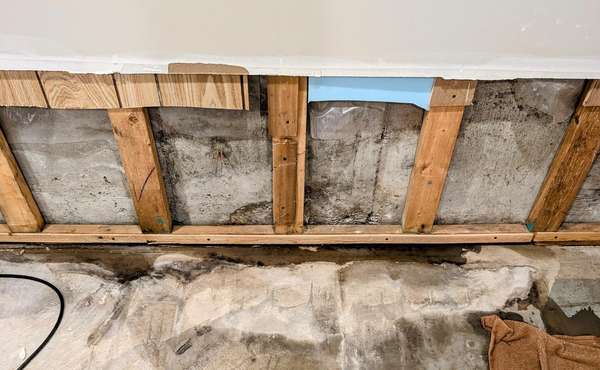
Structural Dryouts in Merritt Island After Plumbing Leaks: Cost Factors and Recovery Insights
Plumbing leaks in Merritt Island homes rarely stay contained. What starts as a small supply line drip under a sink or a pinhole leak behind a wall can quickly spread through drywall, flooring, and framing. And in Florida’s coastal climate, moisture doesn’t dry on its own.
After a plumbing leak, surface drying isn’t enough. Structural dryouts are often necessary to protect the integrity of the home. If you’ve never dealt with this process before, you’re probably wondering: What does it involve? And what affects the cost?
Let’s break down how structural dryouts work in Merritt Island properties — and what homeowners should realistically expect during recovery.
What the Issue Is
A structural dryout is the professional process of removing moisture from building materials after water intrusion. This includes drying:
- Drywall
- Insulation
- Wood framing
- Subflooring
- Concrete slabs
- Cabinet bases
- Interior wall cavities
When plumbing leaks occur, water travels far beyond the visible wet spot. It wicks into porous materials and settles along slab edges. In Merritt Island’s humid coastal environment, moisture lingers longer than homeowners expect.
Structural dryouts are designed to remove trapped moisture before it leads to long-term deterioration.
Why This Happens So Often in Merritt Island
Several local factors make professional dryouts especially important here.
Coastal Humidity
Merritt Island experiences high humidity most of the year. Even after visible water is cleaned up, the surrounding air holds moisture, slowing evaporation.
Slab Foundation Construction
Many homes in Merritt Island sit directly on concrete slabs. When plumbing leaks occur, moisture often spreads along the slab edge beneath walls and flooring.
Older Plumbing Infrastructure
In some properties, aging pipes or fittings increase the likelihood of slow, hidden leaks.
Frequent Storm Activity
Plumbing leaks sometimes occur during heavy rain events when homeowners assume moisture is storm-related rather than internal.
All of these conditions increase the need for controlled structural drying rather than passive air circulation.
Common Signs After a Plumbing Leak
Homeowners often notice:
- Swollen or separating baseboards
- Warped flooring
- Soft drywall near the floor
- Musty odors
- Ceiling stains from upstairs leaks
- Damp cabinet interiors
Sometimes the visible water seems minor. But moisture may have already spread behind walls or under floors.
Professional moisture detection confirms how far it traveled.
Hidden Moisture Zones That Increase Dryout Needs
In Merritt Island homes, structural dryouts often focus on hidden areas:
Behind Drywall
Water wicks upward inside walls and saturates insulation.
Under Flooring
Laminate and engineered wood can trap moisture against the slab.
Inside Cabinet Bases
Particle board swells quickly when exposed to water.
Framing and Structural Members
Wood framing absorbs moisture and requires proper airflow to dry fully.
Slab Edges
Concrete retains moisture and slowly releases it over time.
Without professional drying equipment, these areas remain damp long after surfaces appear dry.
Cost Factors That Influence Structural Dryouts
Homeowners understandably want to know what determines cost. Several factors influence the scope of a structural dryout in Merritt Island.
Extent of Water Spread
The larger the affected area, the more equipment and monitoring time required.
Type of Materials Affected
Drywall and insulation may need removal. Hardwood floors require careful drying. Concrete slabs demand extended dehumidification.
Duration of Moisture Exposure
The longer materials stay wet, the more aggressive the drying process must be.
Humidity Levels During Drying
High outdoor humidity may require longer equipment runtime.
Equipment Needs
A typical dryout may include:
- Air movers (air blowers)
- Dehumidifiers
- HEPA air scrubbers if needed
- Moisture monitoring equipment
Monitoring and Adjustments
Technicians must check moisture levels regularly and adjust equipment placement.
Every home differs. A small, quickly addressed leak costs less than a long-term hidden leak that saturated multiple rooms.
Why DIY Drying Rarely Works
Many homeowners attempt to dry leaks with box fans and open windows.
While this may reduce surface dampness, it rarely solves the deeper issue.
Insufficient Airflow
Professional air movers generate focused, high-velocity airflow that standard fans cannot match.
No Dehumidification Control
Drying requires moisture removal from the air. In Merritt Island’s humidity, dehumidifiers are essential.
No Moisture Verification
Without professional meters, it’s impossible to confirm when materials are fully dry.
Hidden Moisture Remains
Moisture trapped inside walls and under flooring cannot be seen without specialized tools.
Improper drying increases the risk of recurring issues later.
Professional Structural Dryout Process Explained
A structured dryout typically follows these steps:
Inspection and Moisture Mapping
Technicians identify all affected areas using visual assessment, moisture meters, and thermal imaging.
Targeted Material Removal
If insulation or drywall is heavily saturated, controlled removal allows better airflow.
Air Blower Installation
Air movers are placed strategically to direct airflow across wet materials and into cavities.
Dehumidification Setup
Dehumidifiers pull moisture from indoor air to accelerate material drying.
Air Scrubbing (If Necessary)
If airborne particles increase during removal or drying, HEPA filtration stabilizes indoor air.
Daily Monitoring
Moisture levels are checked regularly to confirm progress.
Final Verification
Drying continues until materials return to acceptable moisture levels.
Companies like Inspections and More FL approach Merritt Island properties with coastal conditions in mind, adjusting drying strategies based on humidity and slab behavior.
Recovery Insights for Homeowners
Understanding the recovery process helps reduce stress.
Drying Takes Time
Depending on severity, structural dryouts may take several days. Rushing the process leads to incomplete results.
Equipment Noise Is Temporary
Air movers and dehumidifiers are loud but necessary.
Early Action Saves Money
Addressing leaks quickly reduces the extent of material damage.
Documentation Matters
Professional moisture readings provide documentation for property records and insurance claims.
Prevention Is Key
After recovery, consider:
- Replacing aging plumbing lines
- Installing leak detection devices
- Monitoring indoor humidity
- Scheduling routine inspections
These steps reduce the likelihood of repeat events.
Why Local Experience Matters
Structural dryouts in Merritt Island differ from those in dry climates. Coastal humidity changes how materials release moisture. Slab foundations respond differently than crawl space homes.
Local professionals understand:
- How long drying realistically takes in Florida
- Where moisture typically migrates in slab homes
- How humidity affects moisture readings
- How to design equipment placement for coastal properties
Inspections and More FL works within these conditions daily, tailoring recovery plans to local realities.
A Practical Approach to Protection
Plumbing leaks are disruptive, but they don’t have to cause long-term structural damage.
Proper structural dryouts protect framing, flooring, and wall systems from lingering moisture. Understanding cost factors and recovery timelines allows homeowners to make informed decisions.
In Merritt Island’s coastal climate, complete drying isn’t optional — it’s essential for protecting the home long after the visible water is gone.
