
Air Blower Installation in Cocoa Waterfront Homes: What Inspections Typically Uncover
Waterfront living in Cocoa offers incredible views and steady coastal breezes. But living near the Indian River Lagoon also means constant exposure to humidity, wind-driven rain, and elevated groundwater levels. When plumbing leaks, storm intrusion, or AC condensation issues occur in waterfront homes, moisture doesn’t dry easily.
That’s where professional air blower installation becomes critical.
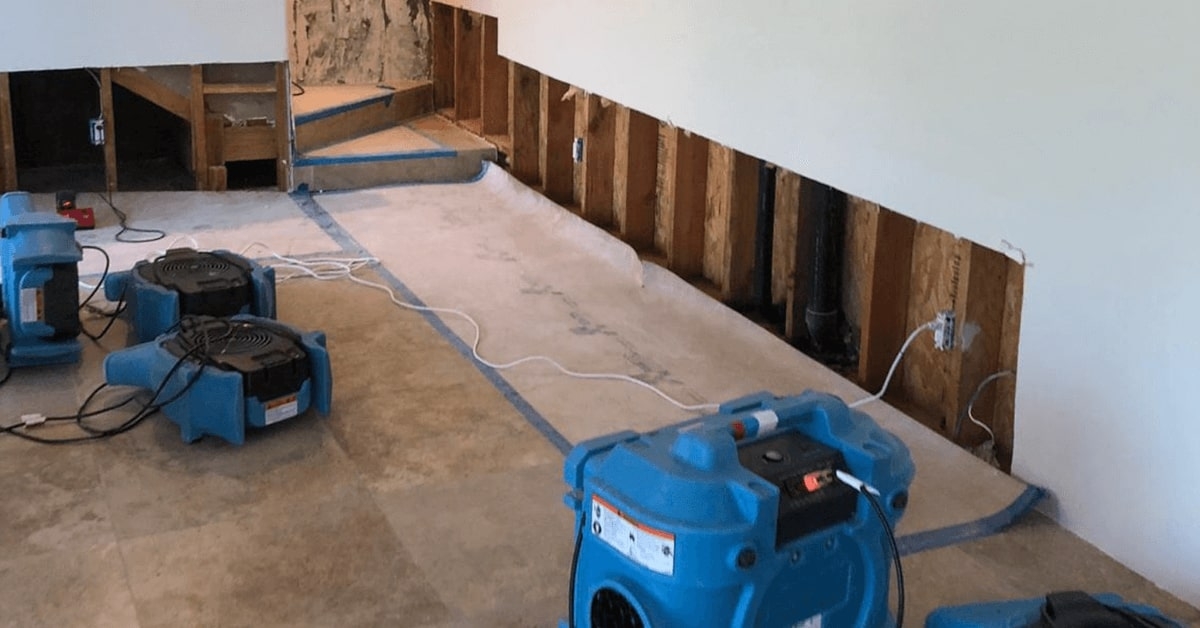
Air movers — commonly called air blowers — are essential tools during structural drying. But before they’re installed, inspections often uncover more than homeowners expect.
Let’s take a closer look at what typically shows up during evaluations in Cocoa waterfront properties and why proper airflow matters so much in this environment.
Why Waterfront Homes in Cocoa Face Greater Drying Challenges
Waterfront homes behave differently than inland properties.
Constant Humidity Exposure
Coastal humidity levels remain high year-round. After a leak, moisture evaporates more slowly because the surrounding air is already saturated.
Elevated Water Table
In low-lying Cocoa neighborhoods, groundwater rises quickly after storms. Slab foundations absorb moisture from below.
Salt Air Effects
Salt exposure accelerates corrosion of metal HVAC components, drain pans, and plumbing fittings — increasing leak risk.
Wind-Driven Rain
Storm systems push rain horizontally into soffits, window frames, and siding seams.
These environmental factors make mechanical drying necessary after any water event.
What Inspections Typically Uncover Before Air Blower Installation
Before installing air movers, a thorough moisture inspection is critical. In Cocoa waterfront homes, inspections often reveal:
1. Moisture Spread Beyond the Visible Area
Water rarely stays confined to the original leak source. It travels:
- Along framing studs
- Beneath baseboards
- Under laminate or hardwood flooring
- Into adjacent rooms
Thermal imaging frequently reveals moisture extending farther than expected.
2. Damp Insulation
Insulation in walls or attics absorbs water quickly. In waterfront properties, humid conditions prevent natural drying.
Wet insulation often requires removal before proper air circulation can begin.
3. Slab Saturation
Concrete slabs absorb water during leaks or flooding. In waterfront homes with high groundwater levels, slabs may already hold elevated moisture.
Air blower installation must be paired with dehumidification to address slab moisture effectively.
4. HVAC Closet Dampness
Air handler closets often sit inside living spaces. Minor condensation leaks can soak surrounding drywall and framing.
Inspections commonly detect elevated moisture behind these units.
5. Attic Duct Condensation
Cold ductwork in hot coastal attics frequently sweats. This can create ceiling moisture unrelated to plumbing leaks.
Identifying the true moisture source prevents incomplete drying.
Why Proper Air Blower Placement Matters
Air blowers aren’t simply placed randomly in a room.
Professional placement considers:
- Airflow direction
- Cross-ventilation patterns
- Moisture concentration areas
- Subfloor drying needs
- Wall cavity airflow
In Cocoa waterfront homes, airflow must be strong enough to overcome high ambient humidity.
Strategic positioning increases evaporation rates while dehumidifiers remove airborne moisture.
Improper placement can leave hidden damp pockets behind.
Why Natural Drying Fails in Coastal Cocoa
Opening windows may seem logical after a leak. But in Cocoa’s waterfront climate:
- Outdoor air often carries more humidity
- Moisture levels remain elevated overnight
- Wind can reintroduce damp air
- Drying slows dramatically
Mechanical air movement and controlled dehumidification are far more effective.
Waterfront homes require active drying — not passive airflow.
The Typical Structural Drying Process
After inspection confirms moisture spread, air blower installation follows a structured plan.
Step 1: Water Extraction
Standing water is removed first.
Step 2: Moisture Mapping
Moisture meters and thermal imaging identify affected materials.
Step 3: Controlled Demolition (If Needed)
Wet drywall or insulation may be removed to expose framing.
Step 4: Air Blower Installation
High-velocity air movers are placed to direct airflow across wet surfaces.
Step 5: Dehumidifier Setup
Commercial units remove moisture from the air as evaporation increases.
Step 6: Monitoring
Daily moisture readings confirm drying progress.
Step 7: Final Verification
Materials must reach safe moisture levels before repairs begin.
Skipping monitoring often leads to premature reconstruction and recurring problems.
Common Post-Leak Surprises in Waterfront Homes
In several Cocoa waterfront cases, inspections uncovered:
- Moisture under kitchen cabinetry
- Dampness beneath tile flooring
- Elevated humidity inside wall cavities
- Mold beginning in insulation
- Slab vapor pressure contributing to floor cupping
Without thorough inspection, these issues may remain hidden until mold develops.
Air blowers play a key role in preventing that progression.
Long-Term Protection Strategies for Cocoa Waterfront Properties
After structural drying, prevention becomes essential.
Homeowners can:
- Maintain proper drainage around the foundation
- Inspect roof flashing annually
- Flush AC drain lines quarterly
- Install float switches on air handler systems
- Improve attic ventilation
- Monitor indoor humidity
- Schedule post-storm moisture inspections
Living near water requires ongoing vigilance.
Why Local Experience in Cocoa Matters
Waterfront homes in Cocoa present unique drying challenges.
Local professionals understand:
- Indian River Lagoon humidity patterns
- Salt air corrosion impacts
- Slab foundation behavior in coastal soil
- Storm-driven intrusion routes
- Attic heat and ventilation dynamics
Experience working across Cocoa, Palm Bay, Melbourne, Merritt Island, and Sanford provides insight into how water spreads and dries in Florida homes.
Inspections and More FL approaches air blower installation as part of a complete moisture control strategy — tailored to coastal conditions.
A Calm, Practical Recommendation
If your Cocoa waterfront home has experienced a plumbing leak, storm intrusion, or AC condensation issue, proper inspection should come before equipment installation.
Air blowers are powerful tools — but they must be placed strategically based on accurate moisture mapping.
Coastal humidity makes natural drying unreliable. Controlled airflow and dehumidification protect your home’s structure and prevent mold growth.
Waterfront living brings unique beauty — and unique moisture challenges. With proper inspection and air blower installation, those challenges can be managed effectively.
