
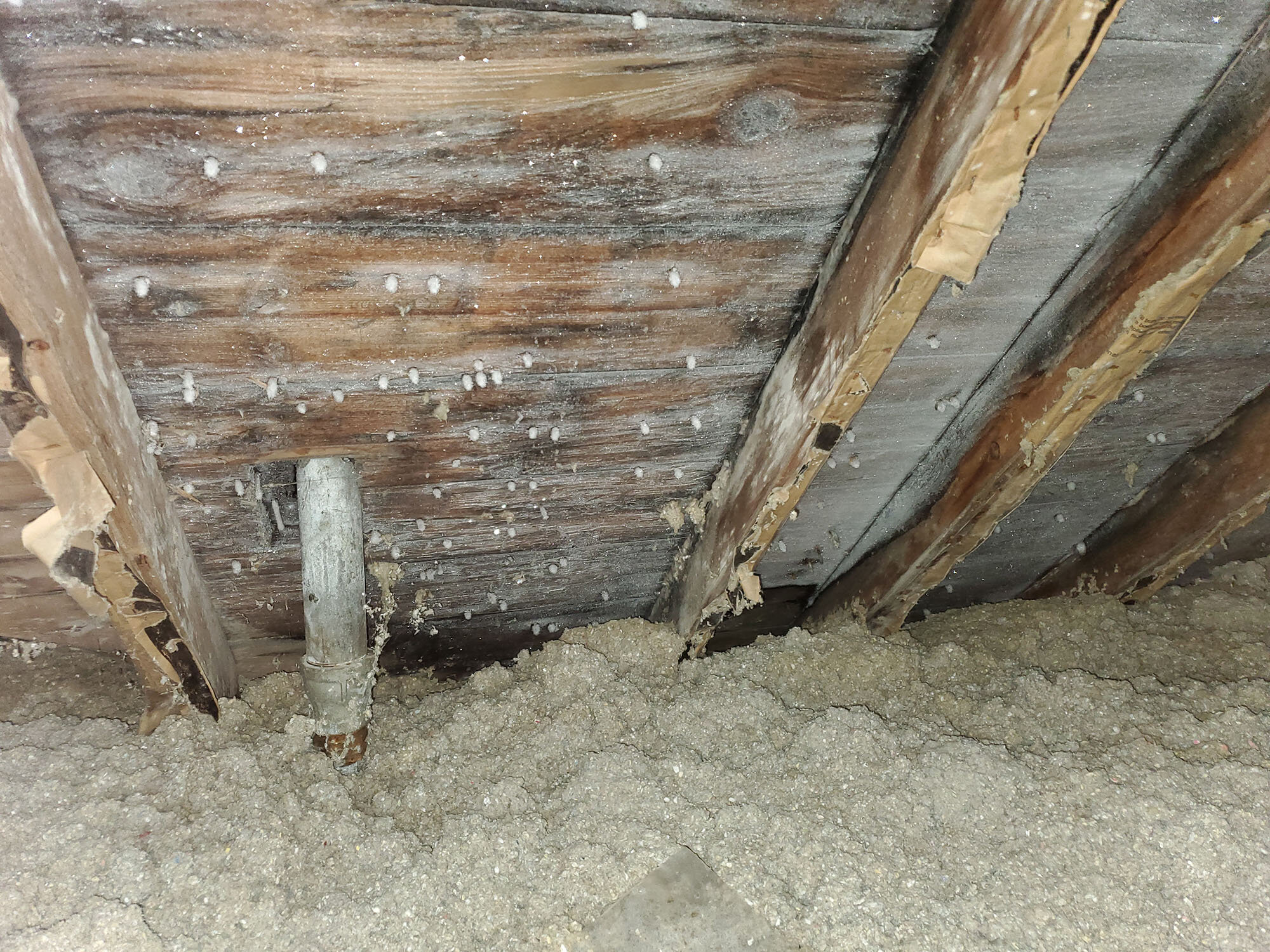
Cocoa Homes Dealing with Dehumidification After Roof Failures — Why Problems Keep Returning
In Cocoa, roof failures are not rare events. Between tropical storms, hurricane season, heavy summer downpours, and aging roofing materials exposed to coastal salt air, even well-maintained homes can experience water intrusion from above. When a roof leak happens, homeowners often move quickly to repair the visible damage and dry the affected areas.
But here’s what many property owners in Cocoa discover weeks or months later: the humidity returns. The musty smell comes back. The dehumidifier runs constantly. Ceiling stains reappear. So what’s going on?
In Florida’s humid coastal environment, roof failures often create deeper moisture issues than people realize. If drying is incomplete or humidity control isn’t properly managed, moisture problems can quietly cycle back again and again.
What Really Happens After a Roof Failure
When rain enters through a damaged roof, it rarely stays in one place. Water follows framing lines and gravity pathways. It can:
- Saturate attic insulation
- Soak roof decking
- Travel along rafters
- Drip onto ceiling drywall
- Run down wall cavities
- Increase indoor humidity
Even after the roof is patched or replaced, the internal moisture may still be present. In Cocoa’s warm, moisture-heavy climate, that trapped dampness doesn’t dry quickly without structured intervention.
Many homeowners assume that once the leak is fixed, the problem is solved. In reality, roof repairs stop future water entry — but they do not automatically remove moisture already absorbed into structural materials.
Why Dehumidification Becomes Necessary
Dehumidification plays a critical role after roof failures because it removes excess moisture from indoor air and encourages evaporation from wet materials.
Professional dehumidification helps:
- Lower indoor relative humidity
- Prevent condensation
- Support structural drying
- Reduce the chance of mold growth
- Stabilize indoor air quality
In Cocoa, where outdoor humidity is consistently high, simply opening windows or running fans is not enough. Controlled dehumidification using commercial-grade equipment is often required.
But even with dehumidifiers in place, problems can return if the root causes are not fully addressed.
Why Moisture Problems Keep Coming Back
When Cocoa homeowners experience recurring humidity issues after a roof failure, it usually points to one or more underlying problems.
Incomplete Structural Drying
Drywall may feel dry to the touch, but the framing behind it could still contain elevated moisture levels. If drying stops too early, hidden dampness remains.
Saturated Attic Insulation
Attic insulation absorbs water like a sponge. If it is not removed or thoroughly dried, it continues releasing moisture into the attic air.
Poor Attic Ventilation
If ridge vents, soffit vents, or airflow pathways are blocked or unbalanced, humid air accumulates in the attic and filters into living spaces.
Slab Moisture Migration
Water traveling down interior walls may reach the slab edge. Concrete absorbs moisture and releases it slowly over time, creating lingering humidity.
HVAC System Limitations
Air conditioning systems cool air but may not remove enough moisture during extreme humidity cycles.
High Baseline Coastal Humidity
Cocoa’s proximity to the coast means outdoor air is already moisture-heavy. Without active humidity control, indoor levels quickly climb again.
If even one of these issues remains unresolved, humidity can return despite previous drying efforts.
Warning Signs That Drying Was Incomplete
Cocoa homeowners should watch for:
- Persistent musty odors
- Indoor humidity consistently above 60%
- Bubbling paint on ceilings
- Stains reappearing in the same location
- Warped baseboards or trim
- Damp-feeling air
- Increased dust accumulation near vents
These signs often indicate that moisture remains inside structural components.
The Importance of Professional Moisture Detection
To stop recurring issues, accurate evaluation is essential.
A structured post-roof-failure inspection typically includes:
Visual Assessment
Checking attic decking, rafters, drywall seams, and wall transitions.
Moisture Meter Testing
Measuring moisture content in framing, drywall, and subflooring.
Thermal Imaging
Identifying hidden damp areas behind ceilings and walls.
Humidity Monitoring
Tracking indoor moisture levels over time.
Companies like Inspections and More FL understand how Cocoa’s coastal humidity affects drying speed and moisture readings. Without proper interpretation, readings may appear normal when deeper materials remain damp.
The Correct Dehumidification and Drying Process
Effective drying after roof failure involves more than placing a single dehumidifier in the room.
Targeted Airflow
Air movers are positioned to push air across affected surfaces.
Commercial Dehumidifiers
High-capacity units remove moisture from indoor air efficiently.
Attic Drying
Saturated insulation may need removal. Framing must be dried thoroughly.
Structural Dryouts
Framing and slab edges are monitored until moisture levels normalize.
Air Scrubbing
HEPA filtration stabilizes airborne particles during the drying process.
Continued Monitoring
Moisture readings are taken daily to confirm complete drying.
Stopping equipment too early is one of the main reasons problems return.
Cost Factors When Humidity Keeps Returning
Recurring moisture issues increase long-term costs.
Key cost drivers include:
Extent of Hidden Moisture
Wider affected areas require more labor and equipment.
Duration of Equipment Use
Extended drying timelines raise equipment rental expenses.
Insulation Replacement
Saturated attic insulation often cannot be salvaged.
Containment Needs
If mold develops, containment and air scrubbing add cost.
HVAC Adjustments
Duct insulation repairs or ventilation upgrades may be necessary.
Early and thorough drying is almost always more cost-effective than repeated remediation.
Long-Term Prevention for Cocoa Homes
Preventing recurring humidity after roof failures requires proactive measures.
- Inspect flashing and roof penetrations annually
- Maintain balanced attic ventilation
- Replace damaged insulation promptly
- Monitor indoor humidity regularly
- Clean AC condensate lines
- Consider supplemental whole-home dehumidifiers
- Schedule post-storm moisture evaluations
These steps reduce the likelihood of repeated dehumidification needs.
Why Local Experience Matters
Cocoa’s environment is unique. Coastal air, high water tables, and frequent storms influence how moisture behaves inside homes.
Local professionals understand:
- How roof leaks travel through framing
- How slab foundations retain moisture
- How humidity impacts drying timelines
- When dehumidification alone is insufficient
Inspections and More FL works within these environmental conditions regularly, offering solutions tailored specifically to Cocoa properties.
A Practical Perspective on Recurring Problems
When humidity keeps returning after a roof failure, it’s rarely because dehumidification “didn’t work.” More often, drying was incomplete or environmental moisture control was insufficient.
In Cocoa’s humid coastal climate, thorough moisture detection and structured drying are essential. Dehumidification must be part of a comprehensive plan — not a temporary solution.
Addressing hidden moisture properly the first time protects structural materials, reduces long-term costs, and restores stable indoor conditions.
