
Heavy rainstorms are part of life in Melbourne.
During summer months and hurricane season, downpours can overwhelm gutters, push water beneath roof shingles, and expose even small vulnerabilities around windows and doors. While some storm damage is obvious, the long-term risk often comes from moisture that lingers inside walls, ceilings, and flooring systems.
When damp materials are left untreated in Florida’s humid climate, mold growth can develop quickly. That’s why mold removal after heavy rainstorms is not just about cleaning visible spots — it’s about protecting the structural integrity of the property.
Let’s take a closer look at how mold removal protects Melbourne homes after major rain events.
Why Heavy Rainstorms Create Mold Risk in Melbourne
Melbourne’s coastal environment increases the impact of heavy rain.
Wind-driven storms can force water into:
- Roof decking
- Attic spaces
- Wall cavities
- Around window frames
- Beneath siding
- Through compromised flashing
Even small leaks can saturate insulation and framing. Because humidity remains high after storms, materials dry slowly.
If moisture remains for more than 24–48 hours, mold can begin to grow.
In slab foundation homes, rainwater saturation around the exterior can also increase vapor pressure beneath the concrete, contributing to indoor humidity spikes.
Common Signs Mold May Be Developing After Storms
Homeowners often notice subtle warning signs first.
These may include:
- Musty odors after rain
- Ceiling discoloration
- Dark spots along baseboards
- Peeling paint
- Warped hardwood flooring
- Increased indoor humidity
- AC running constantly
Sometimes mold remains hidden inside wall cavities or attic insulation before becoming visible.
By the time staining appears, contamination may already be spreading.
How Mold Removal Protects Structural Materials
Professional mold removal focuses on eliminating contamination at its source — not just on the surface.
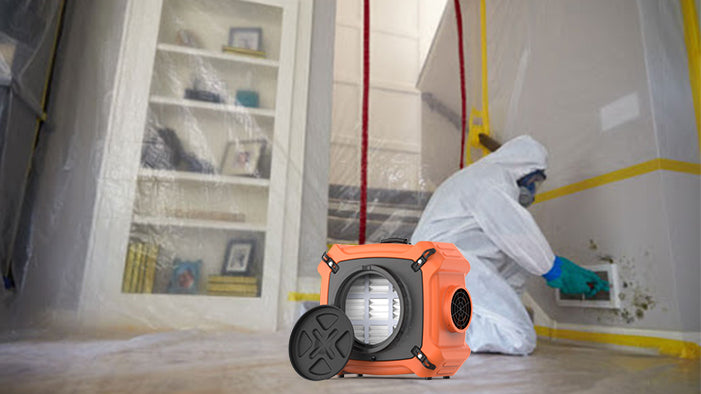
After heavy rainstorms in Melbourne, the process typically includes:
Inspection and moisture detection
Identifying damp structural components using moisture meters and thermal imaging.
Containment
Isolating affected areas to prevent cross-contamination.
HEPA air scrubbing
Filtering airborne mold spores during remediation.
Removal of contaminated materials
Extracting wet drywall, insulation, or flooring when necessary.
Cleaning and remediation
Treating structurally sound wood framing and subfloors.
Structural dryouts
Using air movers and dehumidifiers to stabilize moisture levels.
Humidity stabilization
Maintaining safe indoor moisture conditions long term.
Each step protects building materials from continued deterioration.
Why Drying Alone Isn’t Enough
After storms, some homeowners focus only on drying.
While structural dryouts are essential, they do not remove active mold growth once it has developed.
Mold roots into porous materials. Surface cleaning or bleach application does not fully eliminate contamination.
Without proper containment and removal:
- Spores can spread to unaffected areas
- Odors may persist
- Growth may return during the next humidity spike
Professional mold removal addresses both moisture and microbial contamination.
Hidden Areas Commonly Affected After Rainstorms
In Melbourne homes, mold often develops in:
Attics
Roof leaks may go unnoticed for days.
Wall cavities
Water travels down studs without visible staining.
Crawl spaces
Ground saturation increases moisture beneath the home.
Subflooring
Water spreads beneath flooring systems.
HVAC systems
High humidity increases condensation in ducts.
Because these areas are not visible during daily living, inspection is critical after major rain events.
Why Coastal Humidity Increases the Risk
Melbourne’s coastal humidity slows natural drying.
Even after rain stops, moisture remains elevated outdoors.
Opening windows may not help. In fact, humid air entering the home can worsen indoor conditions.
Whole-home dehumidification is often part of long-term stabilization after mold removal.
Maintaining indoor humidity between 45–55% reduces the likelihood of recurrence.
Preventing Recurring Mold After Storm Season
Homeowners in Melbourne can reduce risk by:
- Inspecting roofs and flashing before hurricane season
- Cleaning gutters regularly
- Checking attic spaces after heavy storms
- Monitoring indoor humidity
- Scheduling professional moisture evaluations
- Maintaining HVAC systems
- Addressing minor leaks immediately
Early intervention prevents small water events from becoming larger remediation projects.
Why Local Experience Matters
Storm damage in Melbourne differs from inland regions.
Wind-driven rain behaves differently in coastal neighborhoods. Salt air accelerates roof component wear. High water tables influence slab moisture levels.
Professionals familiar with local conditions understand:
- How water typically enters during storms
- Where mold commonly develops
- How humidity affects drying timelines
- How to balance ventilation and dehumidification
Inspections and More FL works with Melbourne homeowners and property managers to approach mold removal methodically — focusing on moisture correction first and long-term protection second.
When to Schedule a Mold Evaluation
If your Melbourne property has experienced heavy rainstorms and you notice persistent odors, staining, or humidity changes, it’s important to evaluate conditions before mold spreads further.
Mold removal protects:
- Wood framing from decay
- Drywall from crumbling
- Flooring systems from warping
- Indoor air quality
- Overall structural stability
Heavy rainstorms are unavoidable in coastal Florida.
But with timely inspection, structured mold removal, and proper humidity control, your property can remain protected long after the clouds clear.
In Melbourne’s climate, addressing moisture early is what truly safeguards your home.
