
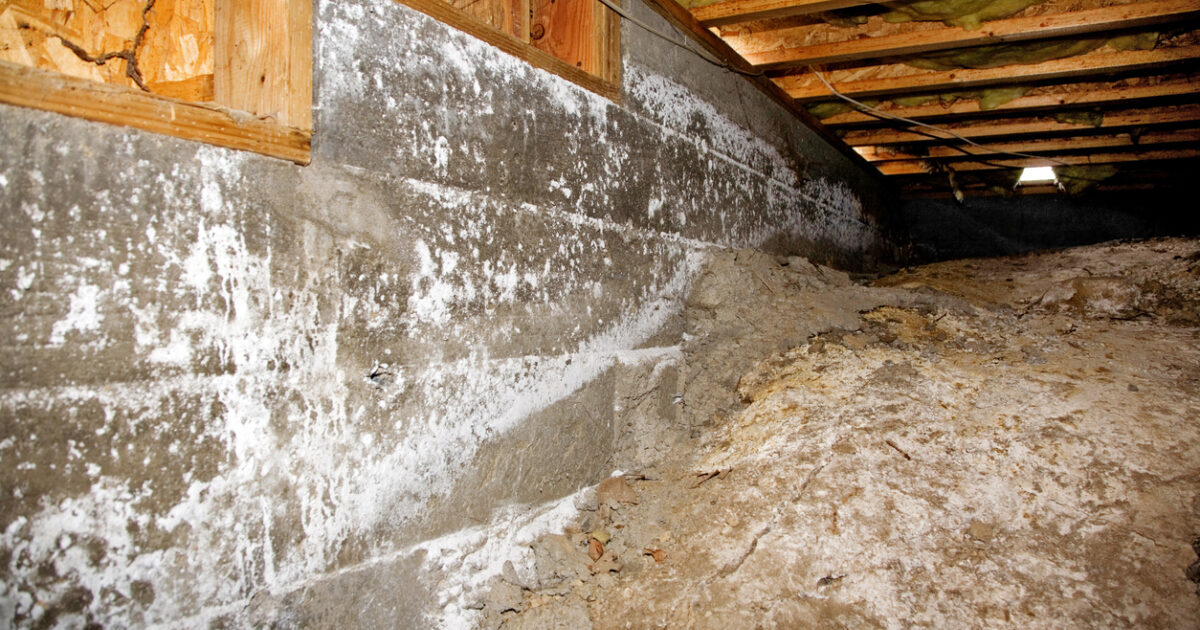
Crawl spaces in Palm Bay homes are some of the most moisture-sensitive areas in the entire structure.
They sit low to the ground, often above damp soil, and are exposed to Florida’s persistent humidity year-round. When water intrusion or elevated moisture levels occur, drying these confined spaces becomes more complicated than many homeowners expect.
Air blower installation is often part of the solution — but in crawl spaces, it comes with specific challenges that require careful planning.
Let’s break down why air blower installation in Palm Bay crawl spaces is necessary, what makes it difficult, and how professionals approach it correctly.
Why Crawl Spaces in Palm Bay Are High-Risk
Palm Bay’s coastal and near-coastal environment contributes to consistent moisture pressure beneath homes.
Contributing factors include:
- High groundwater levels
- Afternoon thunderstorms
- Poor exterior drainage
- Humid air entering through vents
- Plumbing leaks beneath flooring
- Storm-driven water intrusion
In vented crawl spaces, warm humid air enters and condenses on cooler wood framing. Over time, that repeated exposure raises wood moisture content.
When moisture levels remain elevated, structural components become vulnerable to mold growth and long-term deterioration.
Why Air Blower Installation Is Often Necessary
After water intrusion or prolonged humidity exposure, crawl space materials must be dried quickly.
Air blowers — also called air movers — create high-velocity airflow that:
- Accelerates evaporation
- Circulates air through tight areas
- Reduces drying time
- Supports dehumidification systems
- Prevents moisture from remaining stagnant
In Palm Bay’s humid climate, passive drying simply doesn’t work in crawl spaces.
Without mechanical airflow, moisture remains trapped under the home.
The Unique Challenges of Crawl Space Drying
Drying crawl spaces is very different from drying open interior rooms.
Limited access
Crawl spaces are tight. Positioning equipment properly can be difficult.
Restricted airflow
Low ceilings and obstructions limit how air circulates.
Ground moisture
Damp soil continuously releases moisture vapor.
Humidity rebound
Even after drying begins, outdoor humidity can reintroduce moisture.
Vapor pressure
High water tables can push moisture upward through the ground.
If air blowers are not positioned correctly, airflow may move moisture around rather than remove it.
That’s why drying crawl spaces requires strategy — not just equipment.
Common Signs Crawl Space Drying Is Needed
Palm Bay homeowners may notice:
- Musty odors inside the home
- Warped hardwood flooring
- Elevated indoor humidity
- Soft subfloors
- Visible mold on floor joists
- Increased allergy-like irritation
- AC struggling to maintain comfort
Because air naturally rises, crawl space moisture often affects indoor air quality.
If drying is delayed, mold remediation may eventually become necessary.
How Professionals Approach Air Blower Installation in Crawl Spaces
A structured approach typically includes:
- Moisture Assessment
Using moisture meters to measure wood framing and subfloor levels.
- Vapor Barrier Evaluation
Checking whether ground moisture is contributing to the issue.
- Containment (if mold is present)
Isolating affected areas to prevent cross-contamination.
- Air Blower Placement
Strategically positioning air movers to create directional airflow along joists and subfloor surfaces.
- Dehumidifier Installation
Removing evaporated moisture from the crawl space air.
- Continuous Monitoring
Tracking humidity and moisture content until safe levels are reached.
- Long-Term Stabilization
Sealing the crawl space or installing permanent dehumidification if needed.
Air blowers alone cannot solve crawl space moisture problems without dehumidification.
Why Dehumidification Is Critical in Palm Bay
Palm Bay’s outdoor humidity frequently exceeds 70%.
Without dehumidifiers:
- Evaporated moisture stays in the air
- Condensation may form again
- Mold growth risk remains high
Professional-grade dehumidifiers lower humidity to safe levels, allowing air blowers to work effectively.
The combination of airflow and moisture extraction stabilizes structural materials.
Slab vs. Crawl Space Homes
While many Palm Bay homes sit on slabs, properties with crawl spaces face unique moisture exposure from below.
In slab homes, moisture may migrate upward through concrete.
In crawl space homes, moisture enters directly from soil and humid air.
Both require drying strategies, but crawl spaces often demand more controlled airflow management.
Preventing Future Crawl Space Moisture Issues
Homeowners in Palm Bay can reduce risk by:
- Installing or maintaining vapor barriers
- Sealing crawl space vents when appropriate
- Improving exterior drainage
- Scheduling routine crawl space inspections
- Monitoring indoor humidity
- Addressing plumbing leaks immediately
- Considering sealed crawl space systems
Proactive moisture control reduces the need for large-scale drying later.
Why Local Experience Matters
Crawl space drying in Palm Bay requires understanding coastal humidity patterns, groundwater behavior, and local building styles.
Professionals familiar with the area understand:
- How soil moisture impacts wood framing
- How storm runoff affects crawl spaces
- How humidity rebounds after drying
- How to position air blowers for maximum efficiency
Inspections and More FL works with Palm Bay homeowners and property managers to address crawl space moisture issues systematically — focusing on proper airflow, humidity stabilization, and long-term prevention.
When to Schedule a Crawl Space Evaluation
If your home has persistent musty odors, uneven flooring, or elevated humidity — especially after storms — a crawl space inspection may be necessary.
Air blower installation can protect structural components when applied early and correctly.
In Palm Bay’s humid environment, crawl space moisture is common.
But with proper drying techniques and environmental correction, long-term structural damage can be avoided.
Airflow isn’t just about moving air.
In Florida crawl spaces, it’s about protecting the structure from below.
