Moisture Detection in Cocoa Under Hardwood Flooring: How Moisture Spreads Silently
Hardwood floors are a favorite in many Cocoa homes. They look clean, feel solid underfoot, and add long-term value. But in Florida’s humid coastal climate, hardwood flooring also becomes one of the first places hidden moisture shows up—often quietly and without warning.
In Cocoa, moisture rarely announces itself with standing water. Instead, it moves slowly beneath surfaces. Under hardwood flooring, it spreads silently, soaking into subfloors and traveling outward before homeowners realize there’s a problem.
Understanding how moisture spreads under hardwood—and how professionals detect it—can prevent structural damage, mold growth, and costly floor replacement.
What the Issue Really Is
Hardwood flooring sits on top of either:
- A concrete slab
- A plywood subfloor
- A raised foundation system
In Cocoa, many homes are built on slab foundations. Concrete may appear solid and dry, but it is porous. When heavy rainstorms, high humidity, plumbing leaks, or groundwater pressure increase, moisture can migrate upward through the slab.
That moisture becomes trapped beneath hardwood planks.
Because hardwood is sensitive to humidity changes, it reacts before you see visible water. But the real problem isn’t just the surface—it’s what’s happening below.
Why Moisture Problems Are So Common in Cocoa
Cocoa’s environment creates steady moisture pressure on homes.
Coastal Humidity
Living near the coast means elevated humidity levels year-round. Hardwood absorbs ambient moisture, especially if indoor humidity isn’t controlled.
High Water Table
After heavy rain, groundwater levels rise. Slab foundations can transmit vapor upward.
Storm Activity
Tropical storms and hurricanes increase soil saturation and exterior water exposure.
AC Condensation
Improperly insulated ducts or clogged drain lines can create localized moisture near floor areas.
Plumbing Leaks
Even small, slow leaks beneath sinks or inside walls can spread under flooring before detection.
In Cocoa, moisture doesn’t need a major flood to become a serious issue.
How Moisture Spreads Silently Under Hardwood
Moisture moves in predictable but hidden ways.
Vapor Migration Through Slabs
Water vapor rises from saturated soil and passes through concrete. It spreads beneath flooring, often starting near exterior walls.
Capillary Action
Moisture travels through porous materials like plywood subfloors.
Lateral Movement
Once beneath flooring, moisture spreads sideways, affecting larger sections than the original source.
Trapped Condensation
If humidity inside the home remains high, condensation can form between flooring layers.
Because hardwood planks interlock, moisture may spread across multiple rooms before visible damage appears.
Common Signs Homeowners Notice
The earliest warning signs are subtle.
Cocoa homeowners may observe:
- Slight cupping or crowning of planks
- Small gaps forming between boards
- A musty smell in one area
- Darkening along floor edges
- Soft spots underfoot
- Increased indoor humidity
By the time boards begin warping significantly, subfloor moisture has often been present for some time.
Hidden Areas Most Often Affected
Moisture under hardwood commonly accumulates in:
Near Exterior Walls
Where slab vapor intrusion is strongest.
Around Plumbing Fixtures
Kitchens, bathrooms, and laundry rooms.
Beneath Refrigerators or Dishwashers
Appliance leaks often go unnoticed.
Near AC Air Handlers
Condensate issues can affect nearby flooring.
Under Area Rugs
Rugs trap humidity against wood surfaces.
Moisture doesn’t stay confined—it spreads beneath connected flooring sections.
Why DIY Checks Miss the Problem
Homeowners often attempt:
- Visual inspection
- Touch testing
- Running small dehumidifiers
- Wiping surface condensation
The issue is that surface dryness does not reflect subfloor moisture content.
Moisture beneath hardwood cannot be assessed accurately without professional tools. By the time visible damage becomes severe, repair costs increase.
Without detection, homeowners may replace a few boards—only to see the issue return.
How Professionals Detect Hidden Moisture
Moisture detection under hardwood in Cocoa homes requires precision.
A structured evaluation typically includes:
Thermal Imaging
Infrared cameras detect temperature differences suggesting moisture beneath flooring.
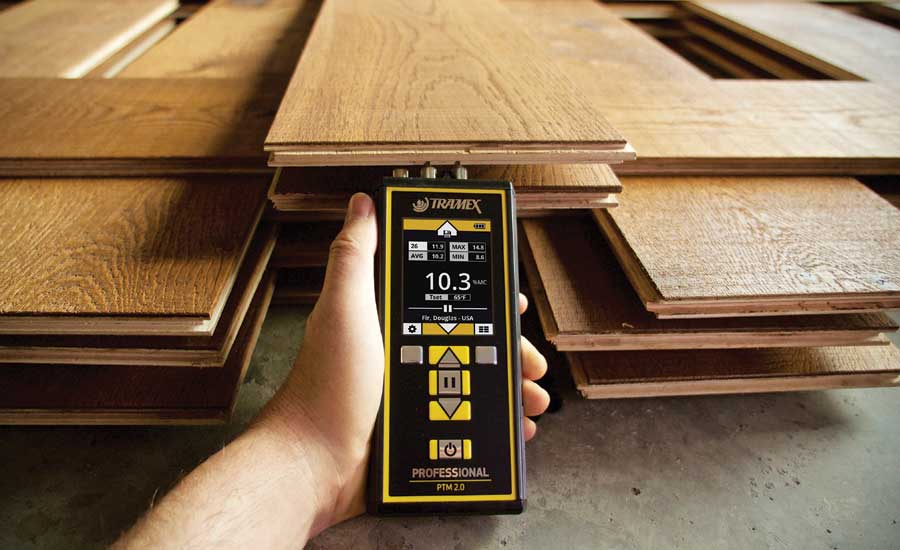
Non-Invasive Moisture Meters
These tools scan through wood surfaces to identify elevated moisture levels below.
Pin Moisture Testing
Used to measure actual moisture content in subfloor materials when necessary.
Humidity Analysis
Indoor humidity levels are measured to determine whether environmental conditions are contributing.
Slab Edge Testing
Checking for vapor intrusion near perimeter walls.
Companies such as Inspections and More FL use a combination of detection tools to create a moisture map of affected areas.
The goal is not guesswork—it’s measurable evidence of where moisture has traveled.
What Happens If Moisture Is Found
The response depends on severity and duration.
Early Detection
- Controlled dehumidification
- Air circulation adjustments
- Monitoring moisture levels
Moderate Saturation
- Targeted drying
- Removal of select planks
- Subfloor drying
Severe Saturation
- Partial flooring removal
- Structural drying
- Mold remediation if necessary
In Cocoa’s climate, early detection significantly reduces material loss.
The Role of Dehumidification in Protection
Professional dehumidification becomes essential once moisture is identified.
High-capacity systems:
- Lower ambient humidity
- Encourage subfloor drying
- Reduce vapor pressure
- Prevent further moisture spread
Portable units rarely have the capacity to handle Florida’s coastal humidity during peak conditions.
Controlled drying stabilizes flooring and prevents recurring warping.
Preventing Hardwood Moisture Problems in Cocoa
Prevention focuses on moisture control and monitoring.
Homeowners should:
- Maintain indoor humidity between 45–55%
- Inspect after heavy rainstorms
- Monitor plumbing fixtures regularly
- Ensure proper slab drainage
- Service HVAC systems annually
- Avoid trapping humidity under large rugs
Whole-home dehumidification systems can offer additional stability in coastal environments.
Why Local Experience Matters
Moisture behavior under hardwood flooring in Cocoa differs from inland regions.
Professionals familiar with Cocoa, Merritt Island, Palm Bay, Melbourne, and Sanford understand:
- Coastal humidity cycles
- Slab foundation vapor patterns
- Storm-related soil saturation
- AC condensation issues common in Florida
Local knowledge allows faster identification of likely moisture pathways and more effective drying strategies.
Inspections and More FL works specifically within these Florida conditions, focusing on moisture stabilization before recommending repairs.
A Calm Next Step
If your Cocoa home has hardwood flooring and something feels off—slight cupping, musty smells, unexplained humidity—don’t ignore it.
Moisture spreads silently under wood. By the time damage becomes obvious, larger sections of flooring may already be affected.
A professional moisture detection evaluation identifies hidden dampness early, protects structural components, and prevents recurring flooring issues.
In Florida’s humid climate, proactive detection is far more cost-effective than repeated repairs.
Address the moisture source thoroughly once, and your hardwood floors can remain stable, dry, and protected for years to come.