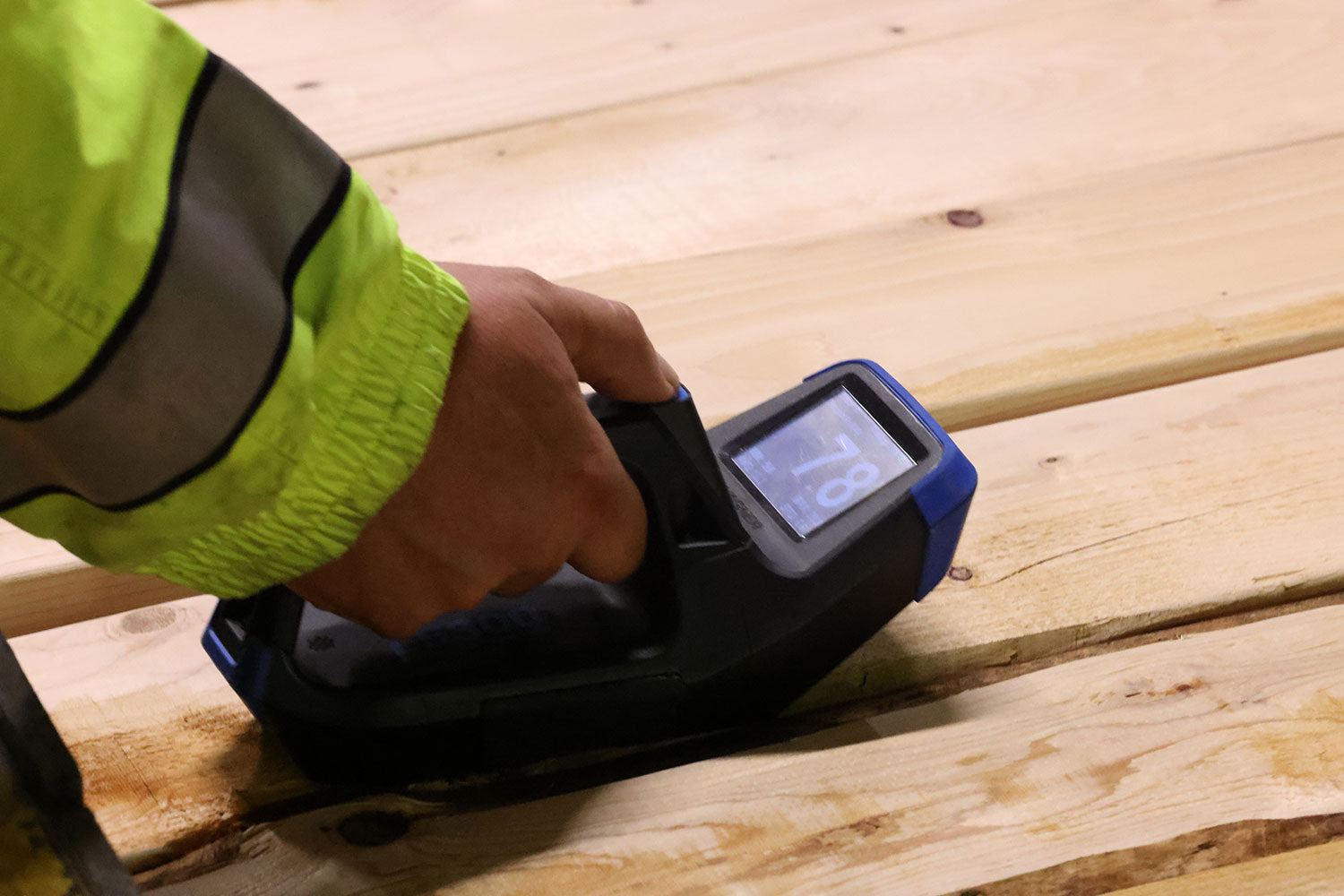
Under Hardwood Flooring in Cocoa: A Closer Look at Thermal Imaging Inspections
Hardwood floors bring warmth and value to Cocoa homes. But beneath that smooth surface, Florida’s humidity and storm-driven moisture can create hidden problems that spread quietly. In a coastal environment like Cocoa—where heavy rain, high water tables, and year-round humidity are part of daily life—moisture under hardwood flooring is more common than many homeowners expect.
The challenge isn’t always visible water. It’s the hidden dampness beneath the planks that causes gradual warping, musty odors, and structural concerns. That’s where thermal imaging inspections become a powerful diagnostic tool.
What Happens Under Hardwood Flooring
Hardwood flooring is installed over:
- Concrete slab foundations
- Plywood subfloors
- Engineered underlayment systems
In Cocoa, slab foundations are common. Concrete may look solid, but it allows vapor transmission. After heavy rainstorms or prolonged humidity, moisture can migrate upward through the slab and settle beneath the flooring system.
Once moisture enters that space, it doesn’t dry easily. Hardwood is sensitive to moisture fluctuations. It absorbs humidity from below, even when the surface feels dry.
Because the subfloor area is enclosed, trapped moisture spreads laterally before visible signs appear.
Why Cocoa Homes Are Especially Vulnerable
Cocoa’s coastal climate creates steady moisture pressure on residential structures.
High Year-Round Humidity
Even during cooler months, ambient moisture remains elevated.
Heavy Rainstorms
Frequent summer storms saturate soil, increasing slab vapor intrusion.
High Water Table
Groundwater levels can rise quickly after extended rainfall.
AC Condensation
Improperly insulated ductwork near flooring can introduce additional humidity.
Storm Season
Hurricanes and tropical systems increase moisture load dramatically.
These factors mean moisture can accumulate beneath hardwood even without obvious leaks.
Early Signs of Hidden Moisture
Before visible damage occurs, subtle warning signs may appear:
- Slight cupping of boards
- Gaps forming between planks
- Warped transitions near exterior walls
- A faint musty smell
- Elevated indoor humidity
- Softness in certain floor sections
By the time boards visibly buckle, moisture has often been present for an extended period.
Why Surface Checks Aren’t Enough
Homeowners often rely on:
- Visual inspection
- Touch testing
- Surface moisture meters
- Running small dehumidifiers
The issue is that subfloor moisture cannot be seen from above.
Moisture trapped beneath hardwood does not always show surface dampness. Removing boards without confirming the full extent of moisture may lead to incomplete repairs.
That’s why non-invasive diagnostic tools are essential.
How Thermal Imaging Inspections Work
Thermal imaging uses infrared technology to detect temperature differences within building materials.
Moist areas typically appear cooler than surrounding dry materials due to evaporative cooling. The infrared camera captures these temperature variations, allowing professionals to identify potential moisture zones beneath hardwood flooring.
Thermal imaging does not directly “see” water. Instead, it reveals patterns that suggest hidden dampness.
In Cocoa homes, this technology allows professionals to:
- Scan large floor areas quickly
- Identify moisture spread patterns
- Detect damp zones beneath slab edges
- Pinpoint likely intrusion points
- Avoid unnecessary demolition
It provides a visual map of potential moisture concerns without lifting flooring.
The Professional Inspection Process
A structured inspection in Cocoa typically includes:
Visual Assessment
Reviewing known leak sources, storm exposure areas, and flooring conditions.
Infrared Scanning
Systematically scanning hardwood surfaces to detect anomalies.
Moisture Meter Verification
Confirming suspected wet areas using calibrated tools.
Slab Edge Evaluation
Checking for vapor intrusion near exterior walls.
Indoor Humidity Measurement
Assessing whether environmental conditions are contributing to the issue.
Companies such as Inspections and More FL combine thermal imaging with physical moisture testing to ensure accurate interpretation.
Thermal imaging guides the investigation—it doesn’t replace proper moisture verification.
Common Moisture Sources Identified Under Hardwood
Thermal imaging often reveals moisture linked to:
Slab Vapor Transmission
Rising moisture from saturated soil beneath foundations.
Minor Plumbing Leaks
Slow drips beneath sinks or appliances.
Storm-Driven Water Intrusion
Rain entering through exterior gaps.
AC System Condensation
Condensate line backups or duct sweating.
Appliance Malfunctions
Dishwashers and refrigerators leaking unnoticed.
Without imaging, these sources may remain hidden until damage becomes severe.
Why Early Detection Matters
Moisture beneath hardwood spreads gradually. Early detection reduces:
- Flooring replacement costs
- Subfloor damage
- Mold development risk
- Structural deterioration
In Florida’s humid environment, mold can begin developing within 24–48 hours if moisture remains trapped.
Thermal imaging allows professionals to confirm whether drying efforts are complete—or if additional dehumidification is required.
What Happens If Moisture Is Found
The response depends on severity.
Mild Moisture
- Targeted dehumidification
- Airflow adjustments
- Ongoing monitoring
Moderate Saturation
- Removal of select planks
- Subfloor drying
- High-capacity dehumidifiers
Significant Saturation
- Partial flooring removal
- Structural dryouts
- Mold remediation if present
Professional-grade dehumidification plays a key role in stabilizing the environment once moisture is detected.
Preventing Recurring Moisture Problems
Cocoa homeowners can reduce risk by:
- Maintaining indoor humidity between 45–55%
- Inspecting after heavy rainstorms
- Monitoring plumbing regularly
- Ensuring proper exterior drainage
- Servicing HVAC systems annually
- Scheduling periodic moisture evaluations
In coastal Florida, consistent moisture management protects hardwood flooring long-term.
Why Local Experience Matters
Moisture behavior under hardwood in Cocoa differs from inland regions.
Professionals familiar with Cocoa, Merritt Island, Palm Bay, Melbourne, and Sanford understand:
- Coastal humidity cycles
- Slab foundation vapor patterns
- Storm-related soil saturation
- AC condensation challenges
Local knowledge allows faster identification of likely trouble spots and more accurate drying strategies.
Inspections and More FL focuses on detection methods tailored to Florida’s climate, helping homeowners address moisture thoroughly before cosmetic repairs begin.
A Practical Next Step
If your hardwood floors show subtle changes or your home feels unusually humid after storms, consider a professional thermal imaging inspection.
Moisture spreads silently beneath wood surfaces. By the time visible damage appears, larger areas may already be affected.
Thermal imaging provides clarity without unnecessary demolition. It identifies hidden dampness early, supports proper drying, and protects both flooring and structural components.
In Cocoa’s demanding climate, proactive moisture detection is one of the most effective ways to preserve hardwood flooring and prevent recurring issues.