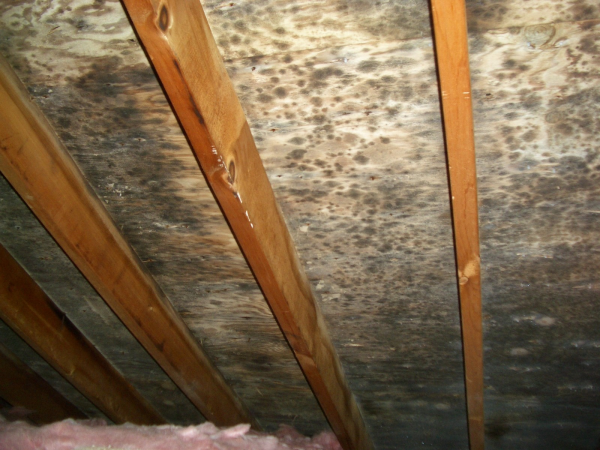
Sanford Homes Dealing With Mold Encapsulation When AC Condensation Becomes a Problem — Lessons Learned From Local Cases
In Sanford, air conditioning isn’t a luxury—it’s a necessity. Systems run hard for most of the year, especially during humid summer months. But when AC condensation isn’t managed properly, it can quietly introduce moisture into walls, ceilings, and attic spaces.
Over time, that moisture can lead to mold growth on framing, sheathing, and surrounding materials. In many Sanford homes, mold encapsulation becomes part of the solution. However, local cases have shown that encapsulation alone doesn’t solve the problem unless condensation sources are corrected first.
How AC Condensation Turns Into a Mold Problem
Air conditioning systems remove humidity from indoor air. As warm air passes over cold evaporator coils, condensation forms and drains away through a condensate line.
When everything works properly, moisture exits the home safely.
Problems begin when:
- Drain lines clog
- Drain pans overflow
- Ductwork sweats
- Insulation deteriorates
- Airflow becomes restricted
- Attic humidity remains elevated
Condensation then collects where it shouldn’t—often inside wall cavities or attic spaces.
In Sanford’s humid climate, even small amounts of recurring condensation can create persistent dampness.
Why Sanford Homes Are Especially Vulnerable
Sanford’s environmental conditions amplify AC condensation issues.
High Year-Round Humidity
Even when AC systems run continuously, outdoor humidity remains high. Attics and wall cavities may not stay dry.
Extended Cooling Seasons
AC units operate for long periods, increasing condensate production.
Attic Air Handlers
Many Sanford homes place air handlers in attic spaces. When drain lines clog or insulation fails, moisture accumulates above ceilings.
Poorly Insulated Ductwork
Condensation forms on ducts when humid attic air contacts cold metal surfaces.
Older Drain Systems
Some homes have outdated or poorly sloped condensate lines that allow backups.
Local inspections repeatedly show that condensation issues often go unnoticed until staining or odor appears.
Lessons Learned From Local Cases
In Sanford, recurring mold cases linked to AC condensation have revealed consistent patterns.
Lesson 1: Surface Cleaning Doesn’t Solve the Source
Homeowners sometimes wipe visible mold from framing or drywall. But if the condensation issue isn’t corrected, mold returns.
Lesson 2: Encapsulation Without Drying Fails
Encapsulation applied to damp wood traps moisture. Proper drying must occur first.
Lesson 3: Drain Line Maintenance Is Critical
Many mold cases originated from simple clogged condensate lines.
Lesson 4: Duct Insulation Matters
Uninsulated or damaged ducts in humid attics frequently produce condensation that drips onto framing.
Lesson 5: Humidity Control Must Be Ongoing
Even after remediation, indoor humidity must remain within recommended levels.
Encapsulation works—but only when the underlying condensation problem is fully resolved.
Common Signs AC Condensation Is Causing Mold
Sanford homeowners may notice:
- Musty odors near ceiling vents
- Water stains on ceilings below attic units
- Rust on air handler components
- Damp insulation near ductwork
- Visible spotting on attic framing
- Elevated indoor humidity
Often, the mold appears in attic spaces near HVAC equipment.
Hidden Areas Frequently Affected
AC condensation-related mold often develops in:
Around Air Handlers
Overflowing drain pans or slow leaks.
Along Duct Runs
Cold ducts in humid attics create surface moisture.
Near Ceiling Penetrations
Moisture migrating downward.
Inside Wall Cavities
Where supply lines pass through.
Around Return Air Plenums
Condensation forming due to air imbalance.
Without proper inspection, these areas remain undetected for extended periods.
Professional Inspection Approach
When condensation-related mold is suspected, professionals typically:
Conduct a Visual HVAC Inspection
Checking drain lines, pans, and insulation.
Perform Moisture Meter Testing
Assessing framing and surrounding materials.
Use Thermal Imaging
Identifying hidden dampness around ducts and ceilings.
Evaluate Attic Ventilation
Ensuring humid air is properly exhausted.
Measure Indoor Humidity
Determining whether whole-home dehumidification is needed.
Companies such as Inspections and More FL evaluate both mold presence and HVAC function to ensure encapsulation is appropriate.
When Mold Encapsulation Becomes Necessary
Encapsulation is often recommended when:
- Mold growth has been remediated from structural framing
- Wood surfaces show staining but remain structurally sound
- Attic decking requires protective sealing
- Long-term moisture control is established
Encapsulation coatings:
- Seal porous wood surfaces
- Lock down residual staining
- Provide added resistance to future moisture
- Improve visibility in attic spaces
However, encapsulation must follow remediation and drying—not replace it.
Proper Process for Lasting Results
A structured approach includes:
1. Moisture Source Correction
Clearing drain lines, insulating ducts, improving ventilation.
2. Mold Remediation
Safely removing active growth.
3. HEPA Air Scrubbing
Filtering airborne spores during remediation.
4. Structural Drying
Using dehumidification to stabilize materials.
5. Mold Encapsulation
Applying protective sealant to cleaned framing.
6. Post-Remediation Verification
Confirming stable humidity levels.
Skipping any of these steps increases recurrence risk.
Preventing Future Condensation-Related Mold
Sanford homeowners can reduce risk by:
- Flushing condensate drain lines regularly
- Installing overflow safety switches
- Ensuring ducts are properly insulated
- Monitoring attic ventilation
- Maintaining indoor humidity between 45–55%
- Scheduling annual HVAC inspections
In Florida’s climate, proactive maintenance is essential.
Why Local Experience Matters
Condensation-related mold behaves differently in humid Florida regions.
Professionals familiar with Sanford, Cocoa, Palm Bay, Melbourne, and Merritt Island understand:
- Seasonal humidity fluctuations
- Attic air handler vulnerabilities
- Common duct insulation failures
- Local construction styles
Local expertise allows faster identification of condensation patterns before mold spreads.
Inspections and More FL focuses on moisture stabilization first, ensuring encapsulation supports long-term protection.
A Practical Next Step
If your Sanford home has experienced AC condensation issues and attic mold, don’t rely on surface cleaning alone.
Encapsulation can protect structural framing—but only when the condensation source is corrected and materials are properly dried.
A structured evaluation identifies where moisture is forming and how it’s spreading.
With proper correction, remediation, and encapsulation, your home can remain protected from recurring condensation-related mold—even in Florida’s demanding climate.