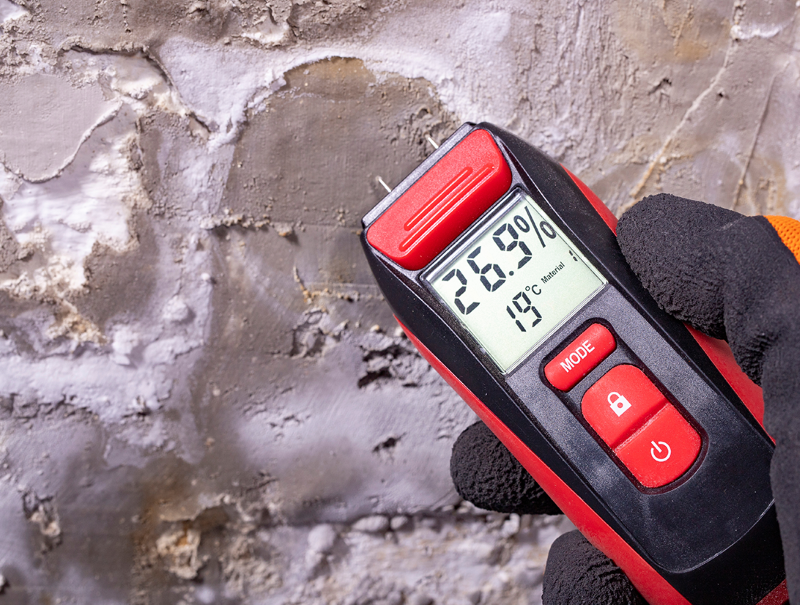
Dehumidification in Palm Bay Inside Commercial Buildings: Why Problems Keep Returning
In Palm Bay, humidity is more than a seasonal inconvenience—it’s a constant factor that shapes how commercial buildings perform. Office spaces, retail centers, warehouses, medical facilities, and light industrial properties all face ongoing moisture pressure. When dehumidification isn’t handled correctly, problems don’t just appear once. They return.
Many commercial property managers in Palm Bay deal with recurring issues like musty odors, ceiling staining, condensation on vents, or mold reappearing months after remediation. The frustrating part? The building was “dried” before.
So why do moisture problems keep coming back inside commercial buildings? The answer usually isn’t a single leak. It’s incomplete humidity control.
The Core Issue: Humidity vs. Drying
There’s a major difference between drying a wet area and controlling humidity long-term.
After a water intrusion event, many buildings receive temporary drying:
- Air movers
- Portable dehumidifiers
- Surface cleaning
- Ceiling tile replacement
While this may address visible damage, it doesn’t always stabilize the building’s overall moisture balance.
Palm Bay’s climate constantly pushes moisture into commercial structures. Without a structured dehumidification strategy, indoor humidity climbs again—especially during summer and storm season.
The result? The same problems return.
Why Palm Bay Commercial Buildings Are Especially Vulnerable
Palm Bay’s environment creates consistent moisture pressure.
Coastal Humidity
Proximity to the Atlantic increases ambient moisture levels year-round.
Heavy Rainstorms
Summer storms saturate soil and roofing systems. Even minor roof penetrations can allow slow moisture intrusion.
High Water Table
Slab foundations can transmit vapor upward after extended rainfall.
Large Interior Spaces
Warehouses and open office plans create uneven airflow zones where humidity pockets form.
HVAC Overload
Air conditioning systems often run continuously but are not always designed to handle peak humidity loads.
Humidity isn’t just entering through leaks—it’s entering through the air itself.
Common Recurring Problems in Commercial Buildings
When dehumidification isn’t fully optimized, building managers often notice:
- Musty odors returning after remediation
- Ceiling tile staining
- Condensation forming on supply vents
- Peeling paint near exterior walls
- Mold reappearing in the same locations
- Persistent “clammy” indoor air
These symptoms often indicate that moisture levels never stabilized properly.
Hidden Moisture Sources That Keep Fueling the Problem
Recurring humidity issues often originate from overlooked sources.
Slab Vapor Transmission
Concrete slabs in Palm Bay can release moisture upward for extended periods after heavy rainfall.
HVAC Condensate Issues
Clogged drain lines or improperly insulated ducts create ongoing moisture introduction.
Inadequate Ventilation Balance
Too much intake without sufficient exhaust leads to stagnant humidity pockets.
Roof Flashing Weaknesses
Minor roof leaks may not show immediately but allow slow moisture accumulation.
Past Water Intrusion
If structural materials were never fully dried, they may continue releasing trapped moisture.
Dehumidification must account for these hidden contributors.
Why Temporary Solutions Fail
In many commercial buildings, portable dehumidifiers are used only during active water events.
Once visible moisture appears resolved, equipment is removed.
The problem is that Palm Bay’s climate doesn’t return to a dry baseline. Outdoor humidity remains elevated. HVAC systems alone may not reduce indoor moisture to ideal levels—especially in large facilities.
When indoor humidity consistently exceeds 60%, mold and moisture damage become likely again.
Without continuous or properly scaled dehumidification, recurrence is predictable.
How Professionals Approach Commercial Dehumidification
Effective dehumidification inside Palm Bay commercial buildings requires a comprehensive plan.
1. Full Moisture Assessment
Professionals evaluate:
- Indoor humidity levels
- Slab moisture readings
- HVAC system performance
- Roof and exterior integrity
- Airflow distribution
2. Identify Moisture Load Sources
Determining whether humidity stems from:
- Outdoor air infiltration
- Slab vapor
- Condensation
- Roof leaks
- Plumbing
3. Scale Dehumidification Properly
Commercial spaces require high-capacity systems designed for square footage and moisture load.
4. Integrate with HVAC Systems
Whole-building dehumidification systems often connect directly to air handlers to maintain stable humidity.
5. Monitor Continuously
Humidity tracking ensures conditions remain within target ranges.
Companies such as Inspections and More FL focus on identifying why moisture is recurring—not just drying visible damage.
The Role of Whole-Building Dehumidification
In Palm Bay’s commercial properties, standalone portable units are often insufficient.
Whole-building systems:
- Remove large volumes of moisture daily
- Maintain humidity between 45–55%
- Reduce slab vapor pressure
- Prevent condensation inside ductwork
- Support mold prevention
Unlike temporary drying, these systems provide ongoing environmental control.
This is often the missing piece in recurring moisture cases.
Why Mold Keeps Reappearing
Mold growth is rarely random.
It reappears when:
- Humidity remains elevated
- Moisture sources are unresolved
- Materials never fully dried
- Ventilation is unbalanced
In Palm Bay, even a slightly elevated humidity level over time can support mold growth inside ceiling cavities, wall assemblies, and near slab edges.
Proper dehumidification interrupts this cycle.
Long-Term Structural Protection
When humidity remains uncontrolled in commercial buildings, it can lead to:
- Drywall deterioration
- Ceiling tile damage
- Corrosion of metal framing
- Insulation breakdown
- Flooring failure
- Increased HVAC strain
By stabilizing humidity consistently, dehumidification protects not just surfaces—but structural integrity.
Preventing Recurring Issues in Palm Bay Commercial Properties
Property managers can reduce moisture recurrence by:
- Monitoring indoor humidity regularly
- Servicing HVAC systems on schedule
- Inspecting roof systems after storms
- Checking slab moisture during extended rainy periods
- Evaluating air balance within large open spaces
- Considering integrated dehumidification systems
Humidity control should be proactive, not reactive.
Why Local Experience Matters
Moisture control strategies that work in drier climates often fail in Palm Bay.
Professionals familiar with Palm Bay, Cocoa, Melbourne, Merritt Island, and Sanford understand:
- Coastal humidity patterns
- Slab vapor behavior
- Seasonal storm impacts
- Commercial construction styles common in the region
Local experience allows faster identification of recurring moisture patterns.
Inspections and More FL works within these Florida conditions, focusing on long-term humidity stabilization rather than short-term drying.
A Practical Next Step for Commercial Property Managers
If moisture problems keep returning inside your Palm Bay commercial building, it’s likely not a one-time event—it’s a humidity imbalance.
Rather than repeatedly replacing ceiling tiles or repainting stained walls, a structured moisture evaluation can identify the root cause.
Properly scaled dehumidification protects structural components, improves indoor air stability, and prevents recurring mold concerns.
In Florida’s climate, humidity control is not optional—it’s essential. With the right dehumidification approach, commercial buildings can remain dry, stable, and protected year-round.