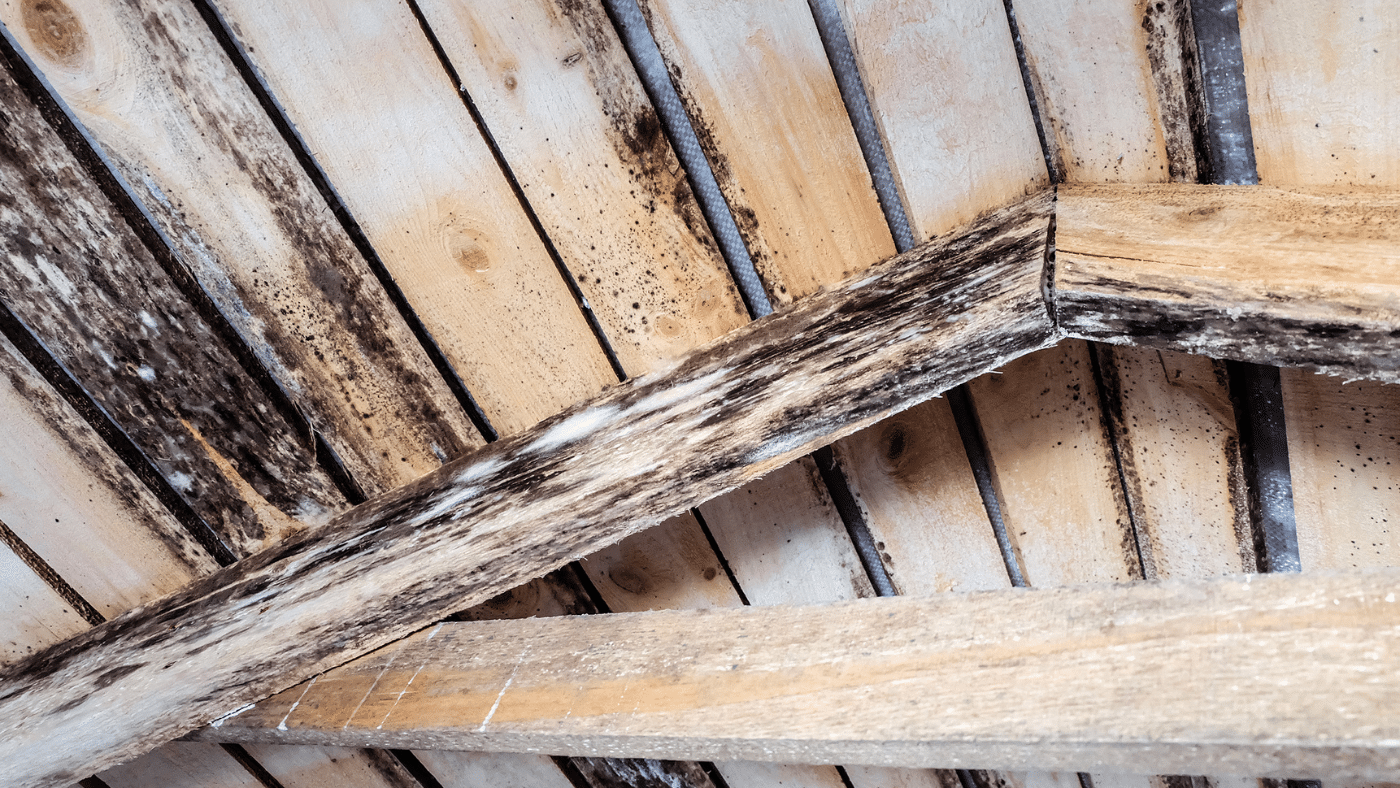
Understanding Mold Encapsulation Challenges in Sanford in Older Florida Homes
Between aging crawl spaces, outdated ventilation systems, original wood framing, and decades of Florida humidity exposure, moisture behaves differently in these properties than in newer construction. When mold develops in structural areas, mold encapsulation is sometimes part of the remediation strategy.
But in older Florida homes, encapsulation comes with specific challenges — and it must be handled carefully to avoid trapping moisture instead of solving the problem.
What Mold Encapsulation Actually Means
Mold encapsulation is not simply “painting over mold.”
It is a controlled process where a specialized coating is applied to structural materials — typically wood framing — after mold contamination has been properly removed and moisture levels have been corrected.
Encapsulation is used when:
- Structural wood cannot be removed
- Surface staining remains after cleaning
- Additional protection is needed
- Framing is structurally sound but cosmetically affected
In older Sanford homes, encapsulation is often considered for crawl spaces, attics, and exposed framing.
But it only works if the moisture problem has truly been resolved.
Why Older Homes in Sanford Face Greater Challenges
Sanford’s inland humidity may not have salt-heavy coastal exposure like Cocoa or Melbourne, but moisture pressure is still significant.
Older homes often include:
- Pier-and-beam foundations
- Poor crawl space ventilation
- Minimal vapor barriers
- Aging roof systems
- Original insulation materials
- Limited attic airflow
Over decades, repeated humidity cycles allow mold staining and minor contamination to build up on framing.
Encapsulation can be appropriate — but only under the right conditions.
The Biggest Challenge: Hidden Moisture
The most common mistake in older homes is applying encapsulation before fully drying materials.
Older framing may:
- Retain moisture deep within wood fibers
- Sit above damp crawl spaces
- Be exposed to recurring condensation
- Absorb humidity from poorly ventilated attics
If encapsulation is applied over damp wood, moisture becomes trapped — leading to:
- Wood rot
- Structural weakening
- Recurring mold behind the coating
- Peeling or failure of encapsulant
In Sanford’s humid climate, moisture verification is critical before sealing any structural surface.
Where Encapsulation Is Commonly Used in Older Homes
Encapsulation is most often considered in:
Crawl Spaces
Exposed joists and beams frequently show staining after years of humidity.
Attic Framing
Roof decking and rafters may have surface mold from past ventilation issues.
Basement or Utility Areas
In older slab-adjacent construction, moisture migration may occur.
Structural Support Beams
When removal is impractical but contamination has been treated.
Because older Florida homes often lack modern moisture barriers, these areas require careful evaluation.
Why Surface Cleaning Alone Is Not Enough
In many cases, homeowners try:
- Scrubbing framing with household cleaners
- Applying paint over stained wood
- Using bleach solutions
- Spraying general-purpose sealers
These approaches fail to address:
- Active moisture content
- Airborne spore contamination
- Underlying humidity imbalance
- Structural drying requirements
Encapsulation must only occur after mold remediation steps are completed properly.
Professional Mold Remediation Before Encapsulation
Before encapsulation is even considered, professionals typically follow a structured process:
Moisture Detection
Using moisture meters and thermal imaging to confirm materials are dry.
Containment
Isolating affected areas to prevent spore spread.
Air Scrubbing
Filtering airborne mold spores during cleaning.
Removal of Contaminated Materials
If insulation or drywall is affected, removal may be necessary.
HEPA Cleaning
Cleaning framing surfaces thoroughly.
Structural Drying
Using dehumidifiers and air movers to restore normal moisture levels.
Only after moisture levels are stable is encapsulation evaluated.
Companies like Inspections and More FL understand that encapsulation is the final step — not the first.
Challenges Unique to Older Florida Construction
Older Sanford homes present additional complications.
Aged Lumber
Older wood may be more porous and absorb moisture deeper.
Settling Foundations
Movement over time may allow air infiltration and humidity entry.
Inconsistent Insulation
Older insulation systems often lack vapor control.
Ventilation Limitations
Attics and crawl spaces may not meet modern airflow standards.
Encapsulation without correcting these underlying conditions can create long-term issues.
Structural Risks of Improper Encapsulation
If applied incorrectly, encapsulation may lead to:
- Hidden wood decay
- Increased moisture trapping
- Fastener corrosion
- Insulation damage
- Recurrent mold growth
In Sanford’s humid climate, even minor ongoing moisture can cause deterioration behind sealed surfaces.
That’s why humidity correction is just as important as mold removal.
When Encapsulation Is Appropriate
Encapsulation can be effective when:
- Wood framing is structurally sound
- Moisture sources have been corrected
- Humidity levels are controlled
- Surface contamination has been removed
- Ongoing monitoring is planned
In older Sanford homes, encapsulation often works best in crawl spaces after vapor barriers and ventilation improvements are installed.
Preventing Recurring Mold in Older Homes
Encapsulation alone does not guarantee protection.
Sanford homeowners can reduce risk by:
Improving Crawl Space Ventilation
Proper airflow reduces moisture buildup.
Installing Vapor Barriers
Limit ground moisture migration.
Monitoring Indoor Humidity
Maintain 45–55% relative humidity.
Inspecting Roof Systems Annually
Prevent attic moisture intrusion.
Servicing HVAC Systems Regularly
Ensure condensate drains function properly.
Scheduling Periodic Moisture Evaluations
Older homes benefit from routine inspections.
Homes in Palm Bay, Melbourne, Cocoa, and Merritt Island face similar humidity patterns, but older construction in Sanford presents its own challenges.
Why Local Experience Matters
Mold encapsulation in older Florida homes requires regional knowledge.
Professionals familiar with Sanford understand:
- Inland humidity cycles
- Older framing styles
- Crawl space moisture behavior
- Slab-adjacent moisture migration
- Long-term ventilation limitations
Inspections and More FL approaches encapsulation cautiously — ensuring moisture correction comes first.
That local understanding prevents unintended structural damage.
Protecting the Character — and Structure — of Older Homes
Older homes in Sanford offer charm and history.
But they also demand careful moisture management.
Mold encapsulation can be a valuable tool when used correctly. When applied after thorough remediation and moisture correction, it helps protect structural framing and prevent recurring contamination.
However, skipping moisture verification or rushing the process can create more expensive structural problems later.
In Florida’s humid environment, careful inspection, proper drying, and controlled encapsulation protect both the beauty and integrity of older homes.