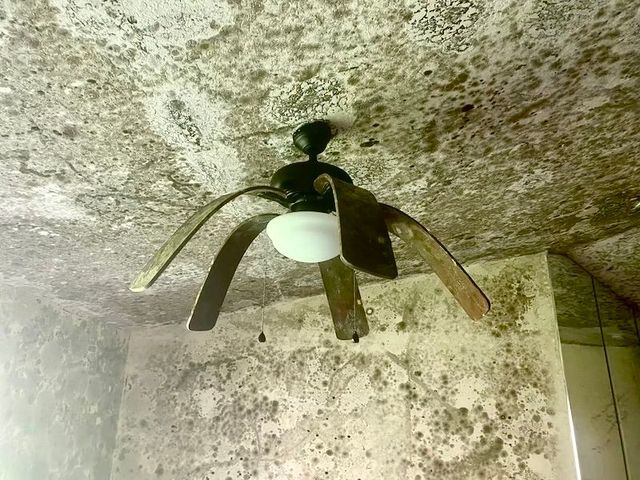
During Extreme Humidity in Cocoa: A Closer Look at Mold Remediation
Step outside in late summer and the air feels thick before sunrise. Afternoon storms roll through, then the heat returns. Even inside air-conditioned homes, that damp heaviness can linger. During these periods, moisture levels climb — and that’s when mold problems often begin.
In Cocoa’s coastal climate, extreme humidity doesn’t just create discomfort. It creates conditions where mold remediation becomes necessary more quickly than many homeowners expect.
Why Humidity Alone Can Trigger Mold Issues
Mold requires three things:
- Moisture
- Organic material
- Time
In Florida, organic materials are everywhere — drywall, wood framing, insulation, carpet backing. During extreme humidity, even without visible water intrusion, surfaces can absorb enough moisture to support mold growth.
When indoor relative humidity rises above 60%, mold spores that are naturally present in the air can begin settling and growing.
In Cocoa, prolonged humid periods make that threshold easy to reach.
Why Cocoa Is Especially Vulnerable
Cocoa’s proximity to the coast increases environmental moisture pressure.
Coastal Air Saturation
Salt-heavy air carries persistent moisture inland.
Afternoon Storm Cycles
Frequent rain spikes outdoor humidity.
Slab Foundations
Limited airflow under homes traps moisture.
Older Construction
Many homes lack modern vapor barriers.
Extended AC Operation
Air conditioning systems may struggle to keep humidity balanced.
During extreme humidity, small moisture issues compound quickly.
A slightly damp attic becomes a mold-friendly space. A minor HVAC condensation issue spreads humidity through ductwork. A crawl space retains moisture longer than expected.
Early Signs Mold Is Developing
Humidity-related mold growth often begins quietly.
Homeowners in Cocoa may notice:
- Faint musty odors
- Slight discoloration on drywall
- Small black or green specks in corners
- Increased allergy-like symptoms
- Persistent dampness in closets
- Condensation around vents
Because humidity feels “normal” in Florida, these warning signs are often dismissed.
But mold growth accelerates rapidly once established.
Hidden Areas Affected During Extreme Humidity
Mold rarely starts in the middle of a wall. It typically develops in concealed spaces.
Attics
Hot, humid air accumulates above ceilings, especially if ventilation is limited.
HVAC Systems
Sweating ducts and clogged drain lines increase interior moisture.
Crawl Spaces
Ground moisture rises into living areas.
Behind Drywall
Minor past leaks combined with humidity create growth conditions.
Under Flooring
Humidity trapped beneath materials encourages mold development.
In Cocoa and surrounding areas like Palm Bay and Merritt Island, these hidden areas often become contamination sources.
Why Mold Remediation Is More Complex During Humid Periods
Extreme humidity makes remediation more challenging.
Slower Drying Times
High ambient moisture reduces evaporation.
Recurring Moisture Risk
If humidity control isn’t addressed, mold may return.
Airborne Spore Activity
Spores remain active and circulate more easily.
HVAC Strain
Air conditioning systems run continuously, sometimes spreading contaminants.
Remediation during humid seasons requires both contamination removal and aggressive moisture management.
Why DIY Approaches Fall Short
Many homeowners attempt quick fixes:
- Wiping visible mold with cleaners
- Running household fans
- Using small dehumidifiers
- Painting over stains
These measures do not address:
- Hidden moisture in wall cavities
- Damp insulation
- Elevated airborne spores
- Persistent humidity imbalances
Bleach and surface cleaners may lighten staining but do not eliminate moisture inside porous materials.
Without correcting the source and drying materials properly, mold returns.
Professional Mold Remediation Process in Cocoa
A structured remediation process protects both structure and indoor air quality.
1. Moisture Detection
Identifying the source — whether humidity-related, HVAC condensation, or minor intrusion.
2. Containment
Isolating affected areas to prevent spore spread.
3. Air Scrubbing
Using high-efficiency filtration to capture airborne contaminants.
4. Removal of Contaminated Materials
Safely removing drywall or insulation if necessary.
5. Structural Drying
Using industrial dehumidifiers and air movers to restore safe moisture levels.
6. Anti-Microbial Treatment
Applying targeted treatments to prevent regrowth.
7. Mold Encapsulation
Sealing exposed structural surfaces if appropriate.
8. Humidity Control Correction
Addressing ventilation, HVAC, or crawl space issues.
Companies like Inspections and More FL understand how Cocoa’s coastal humidity affects homes and tailor remediation strategies accordingly.
Structural Risks If Humidity Is Ignored
Extreme humidity doesn’t just affect surfaces.
Left unchecked, it can lead to:
- Wood rot in framing
- Insulation collapse
- Ceiling sagging
- Subfloor deterioration
- Fastener corrosion
- Increased HVAC wear
Salt air exposure in coastal areas can accelerate corrosion once materials are damp.
Addressing humidity early prevents these long-term structural concerns.
How to Prevent Mold During Extreme Humidity
Cocoa homeowners can reduce risk with proactive steps.
Monitor Indoor Humidity
Keep levels between 45–55%.
Run Dehumidifiers During Peak Humidity
Especially after storms.
Inspect Attics Twice Per Year
Look for damp insulation or staining.
Service HVAC Systems Annually
Ensure condensate lines drain properly.
Evaluate Crawl Spaces
Particularly in low-lying neighborhoods.
Schedule Post-Storm Inspections
Even if no visible damage appears.
Homes in Melbourne, Palm Bay, Sanford, and Merritt Island face similar humidity pressures, but Cocoa’s coastal environment increases overall moisture exposure.
Why Local Experience Matters
Humidity-driven mold issues in Cocoa require regional understanding.
Professionals familiar with Central Florida know:
- How coastal air impacts building materials
- When humidity peaks occur
- How slab foundations respond to moisture
- How attic ventilation influences mold growth
- How storm cycles increase indoor moisture load
Inspections and More FL approaches mold remediation with this local insight, focusing on moisture correction as much as contamination removal.
That balanced approach reduces recurrence.
Taking Action Before Humidity Turns Into Damage
Extreme humidity in Cocoa is unavoidable.
Structural damage from mold isn’t.
When musty odors, damp surfaces, or unexplained humidity changes appear, early evaluation can prevent more extensive remediation later.
Proper mold remediation during humid periods focuses on:
- Removing contamination
- Correcting moisture sources
- Stabilizing indoor humidity
- Protecting structural components
In Florida’s climate, proactive moisture management always costs less than structural repair.