Sanford Homes Dealing With Moisture Detection in Slab Foundation Houses — How to Prevent Recurring Damage
Slab foundation homes are common throughout Sanford.
They’re solid, practical, and well-suited for Florida construction. But when moisture begins migrating through or around the slab, problems can quietly develop beneath flooring and inside walls.
Unlike crawl space homes where issues may be visible below the structure, slab foundations hide moisture at ground level. By the time warning signs appear inside the home, damage may already be progressing.
That’s why moisture detection plays such a critical role in preventing recurring damage in Sanford slab homes.
Why Slab Foundation Homes in Sanford Face Moisture Challenges
Sanford’s inland location still brings intense humidity, heavy rainfall, and periodic storm systems. Even without direct coastal exposure like Cocoa or Melbourne, moisture pressure remains constant.
Several factors contribute to recurring slab-related moisture problems:
High Water Tables
Ground saturation increases after heavy rain.
Soil Expansion & Contraction
Florida soil shifts with moisture cycles, affecting slab edges.
Stormwater Drainage Patterns
Improper grading allows water to pool near foundations.
Plumbing Lines Beneath Slabs
Hidden leaks can go unnoticed for extended periods.
HVAC Condensation Issues
Interior humidity may condense along slab edges.
Because slab foundations sit directly on soil, moisture migration can occur from below or from the sides.
Without proper detection, the cycle continues.
Common Signs of Slab Moisture Problems
Moisture issues in slab homes often appear subtly.
Sanford homeowners may notice:
- Warped hardwood or laminate flooring
- Loose tiles
- Musty odors
- Damp baseboards
- Bubbling paint near floor level
- Carpet that feels slightly humid
- Persistent indoor humidity despite AC use
These signs often indicate moisture migrating upward or along the slab perimeter.
Ignoring them allows structural deterioration to progress.
Where Moisture Hides in Slab Homes
In Sanford slab foundation houses, moisture typically accumulates in:
Flooring Layers
Water becomes trapped beneath hardwood, laminate, or carpet padding.
Slab Edges
Perimeter walls often show dampness first.
Wall Base Plates
Wood framing sitting on concrete absorbs moisture.
Interior Partition Walls
Water can travel along framing channels.
Beneath Cabinets
Hidden plumbing leaks may spread moisture under flooring.
Moisture detection tools are essential to identify these concealed areas.
Why Moisture Keeps Returning
Recurring slab moisture issues often happen because the root cause was not fully corrected.
Common reasons include:
Incomplete Leak Repairs
Plumbing leaks under slabs require precise detection.
Poor Exterior Drainage
Water pooling near foundations migrates inward.
Missing Vapor Barriers
Older homes may lack adequate moisture barriers.
High Indoor Humidity
Airborne moisture condenses along cooler slab surfaces.
Insufficient Structural Drying
Surface drying does not remove deep moisture.
Without correcting the source, moisture reappears after each heavy rain cycle.
How Professional Moisture Detection Works
In Sanford slab homes, professionals rely on structured inspection methods.
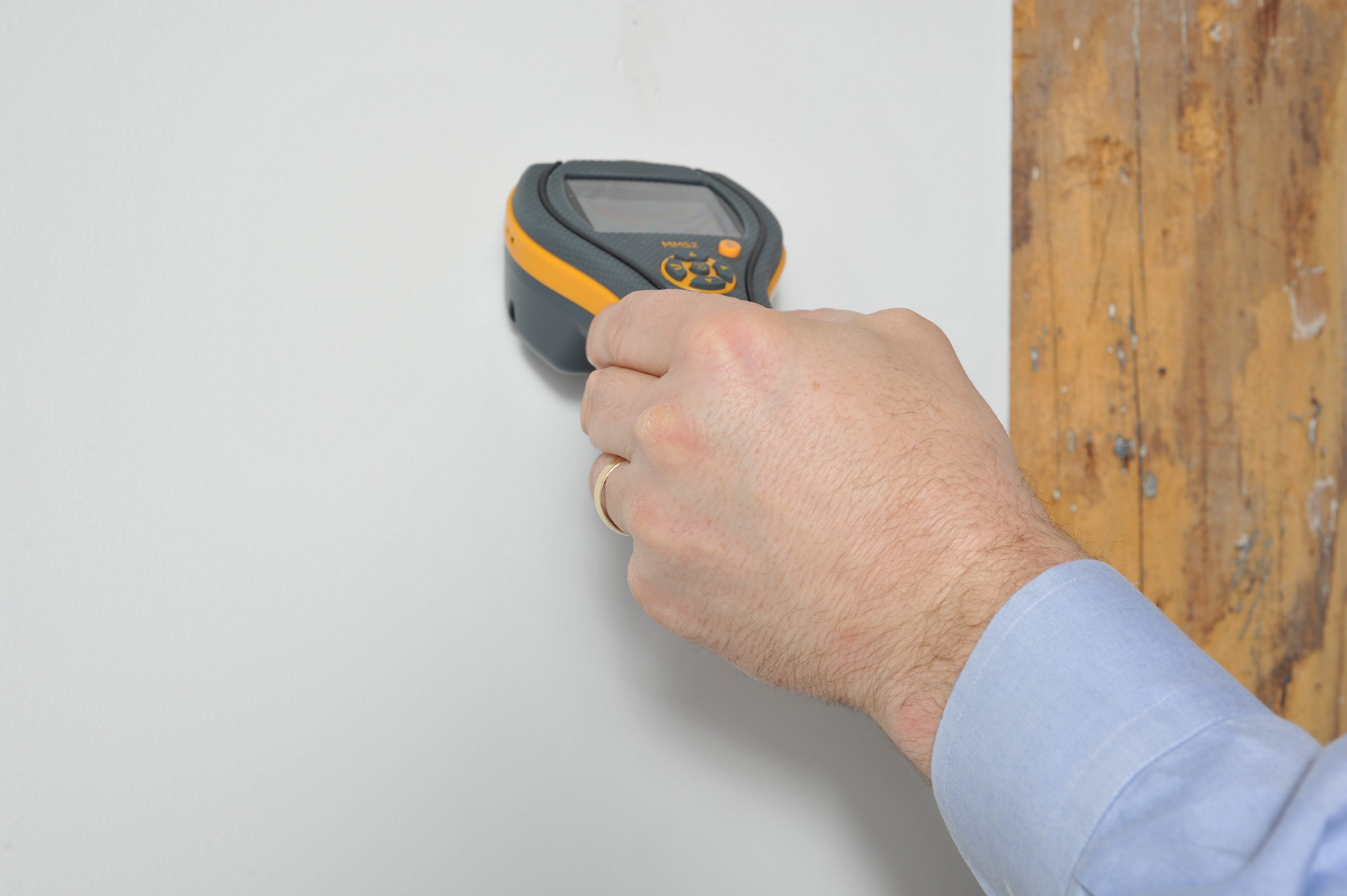
Moisture Meters
To measure dampness in flooring and wall materials.
Thermal Imaging
To identify temperature variations indicating hidden moisture.
Relative Humidity Monitoring
To assess interior moisture balance.
Plumbing Leak Detection
To rule out slab line failures.
Exterior Drainage Assessment
To identify grading or runoff issues.
Companies like Inspections and More FL use these tools together to determine not only where moisture exists — but why.
The Role of Structural Dryouts
When slab moisture is detected, structural drying becomes critical.
Proper dryout involves:
- Controlled containment
- Industrial dehumidification
- Strategic air movement
- Monitoring moisture levels
- Removing saturated materials if necessary
Drying must extend beyond visible surfaces.
Subfloor materials and framing must return to safe moisture thresholds before reconstruction.
Skipping thorough drying leads to repeat damage.
Structural Risks of Ignoring Slab Moisture
Persistent slab moisture can eventually cause:
- Subfloor deterioration
- Wood rot in base plates
- Tile adhesive failure
- Mold development
- Insulation damage
- Fastener corrosion
Sanford’s humid climate accelerates these effects.
Early detection prevents larger structural repairs.
Preventing Recurring Damage in Slab Homes
Sanford homeowners can reduce slab moisture risk by implementing long-term prevention strategies.
Improve Exterior Drainage
Ensure soil slopes away from the foundation.
Install or Repair Gutters
Direct stormwater away from slab edges.
Monitor Indoor Humidity
Maintain 45–55% relative humidity.
Schedule Plumbing Inspections
Especially if unexplained moisture appears.
Inspect After Heavy Storms
Look for damp flooring or wall discoloration.
Consider Vapor Barrier Enhancements
Particularly in older homes.
Homes in Palm Bay, Merritt Island, Melbourne, and Cocoa face similar moisture pressures, but slab foundation behavior may vary by soil composition and elevation.
Why Local Experience Matters
Moisture detection in Florida slab homes requires regional knowledge.
Professionals familiar with Sanford understand:
- Inland humidity cycles
- Soil saturation behavior
- Slab edge moisture migration
- HVAC condensation effects
- Storm-driven groundwater changes
Inspections and More FL approaches slab moisture issues with a long-term prevention mindset — focusing on identifying and correcting root causes rather than addressing symptoms.
That experience helps prevent recurring damage.
Stopping the Cycle Before It Repeats
Slab foundation moisture problems rarely resolve on their own.
If damp flooring, musty odors, or wall base staining appear in your Sanford home, early moisture detection can prevent structural deterioration and mold growth.
True prevention requires:
- Accurate detection
- Source correction
- Structural drying
- Humidity management
- Ongoing monitoring
In Florida’s climate, moisture management is continuous.
Identifying slab moisture early protects structural integrity, indoor air quality, and long-term property value — before small problems become recurring repairs.