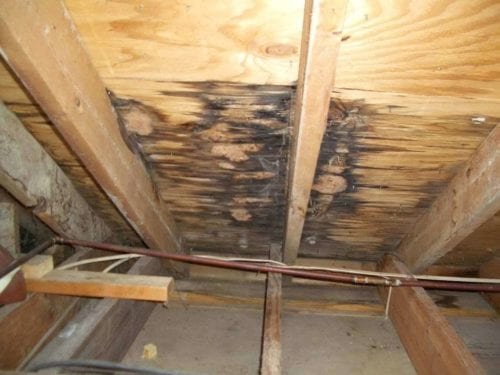
Understanding Mold Remediation Challenges in Cocoa During Storm Season
Storm season in Cocoa doesn’t just bring wind and heavy rain — it brings weeks of elevated humidity, saturated soil, and repeated moisture exposure.
Between tropical systems, afternoon thunderstorms, and coastal wind-driven rain, homes and commercial buildings across Cocoa face ongoing environmental stress. When moisture lingers inside structural spaces, mold growth can develop quickly.
But mold remediation during storm season presents unique challenges. In Florida’s humid climate, it’s not just about removing visible mold — it’s about managing moisture under difficult conditions.
Why Storm Season Increases Mold Risk in Cocoa
Cocoa’s coastal location amplifies storm-related moisture pressure.
Wind-Driven Rain
Coastal winds push rain into rooflines, siding gaps, and window seals.
Prolonged Humidity
Even after rain stops, humidity remains elevated for days.
High Water Tables
Ground saturation increases crawl space and slab moisture.
Repeated Rain Cycles
Back-to-back storms prevent full drying between events.
Salt Air Exposure
Salt accelerates deterioration once materials become wet.
During storm season, moisture exposure isn’t a single event — it’s continuous.
That makes remediation more demanding.
Why Mold Develops So Quickly After Storms
Mold requires moisture, organic material, and time.
In Cocoa’s warm climate, time is short.
When drywall, insulation, or framing remains damp for 24–48 hours, mold growth can begin.
Storm season compounds risk because:
- Drying conditions are limited
- Outdoor air remains humid
- HVAC systems struggle to lower indoor moisture
- Attics and crawl spaces retain heat and dampness
Without rapid moisture detection and drying, contamination spreads quickly.
Hidden Areas Most Affected During Storm Season
Mold often develops in concealed spaces before visible signs appear.
Attic Insulation
Roof leaks may soak insulation long before ceiling stains show.
Wall Cavities
Water travels downward inside framing channels.
Crawl Spaces
Ground moisture rises after heavy rain.
Slab Edges
Concrete absorbs and slowly releases water.
HVAC Systems
Condensation combined with storm humidity increases spore circulation.
Without proper inspection, these areas remain damp between storms.
The Biggest Remediation Challenge: Ongoing Humidity
During storm season, one of the greatest obstacles is ambient humidity.
Even when professionals initiate structural drying, high outdoor humidity slows evaporation.
This creates challenges such as:
- Longer drying timelines
- Increased need for industrial dehumidification
- Risk of re-wetting materials
- Airborne spore activity remaining elevated
Remediation plans must account for environmental conditions — not just interior damage.
Why DIY Cleanup Often Fails During Storm Season
Homeowners sometimes attempt quick fixes:
- Wiping visible mold
- Using bleach on surfaces
- Running household fans
- Opening windows for ventilation
In storm season, opening windows often introduces more humidity.
Surface cleaning does not address:
- Hidden moisture inside framing
- Saturated insulation
- Damp subfloors
- Airborne contamination
Bleach does not penetrate porous materials.
Without moisture correction, mold returns — sometimes within weeks.
How Professionals Approach Mold Remediation in Storm Season
In Cocoa, a structured and climate-aware approach is essential.
1. Immediate Moisture Detection
Using moisture meters and thermal imaging to identify hidden damp areas.
2. Source Correction
Repairing roof damage, flashing gaps, or drainage failures.
3. Containment
Preventing spore spread into unaffected areas.
4. Air Scrubbing
Filtering airborne contaminants during cleanup.
5. Controlled Material Removal
Removing saturated drywall or insulation when necessary.
6. Aggressive Dehumidification
Using industrial equipment to counter high ambient humidity.
7. Structural Drying
Ensuring framing and subfloors return to safe moisture levels.
8. Anti-Microbial Treatment
Reducing regrowth risk once drying is complete.
Companies like Inspections and More FL understand how Cocoa’s storm patterns influence drying timelines and remediation strategy.
Structural Risks of Delayed Action
Storm-season mold left untreated can cause:
- Wood rot in framing
- Roof decking deterioration
- Insulation collapse
- Ceiling sagging
- Fastener corrosion
- Expanded contamination into HVAC systems
Salt-heavy coastal air accelerates corrosion once moisture is present.
Early intervention prevents structural repair costs from escalating.
Why Remediation Timing Matters
During storm season, waiting for “drier weather” is rarely effective.
Humidity levels may remain high for months.
The key is:
- Rapid detection
- Immediate drying
- Controlled remediation
- Continuous moisture monitoring
Delays increase contamination scope and structural impact.
Preventing Recurring Mold During Storm Season
Cocoa homeowners can reduce risk by:
Inspecting Roofs After Every Major Storm
Even minor shingle movement can allow intrusion.
Checking Attics Promptly
Look for damp insulation.
Monitoring Indoor Humidity
Maintain levels between 45–55%.
Servicing HVAC Systems
Ensure condensate drains properly.
Evaluating Crawl Spaces
Especially after heavy rainfall.
Homes in Palm Bay, Merritt Island, Melbourne, and Sanford face similar storm-related risks, but Cocoa’s coastal exposure intensifies moisture retention.
Why Local Experience Matters
Storm-season mold remediation in Florida requires regional understanding.
Professionals familiar with Cocoa understand:
- Coastal wind-driven rain patterns
- High water table behavior
- Humidity cycles during tropical systems
- Attic ventilation limitations
- Slab moisture migration
Inspections and More FL approaches storm-season remediation with both moisture science and local climate knowledge — ensuring long-term protection rather than short-term cleanup.
Protecting Your Property During Storm Season
Storm season in Cocoa brings unavoidable moisture.
What determines long-term damage is how quickly and thoroughly that moisture is addressed.
Mold remediation during storm season requires:
- Accurate detection
- Aggressive drying
- Controlled containment
- Ongoing humidity management
When handled properly, remediation protects structural materials, indoor air quality, and property value — even during Florida’s most humid months.
Early action is the difference between minor repairs and major structural restoration.