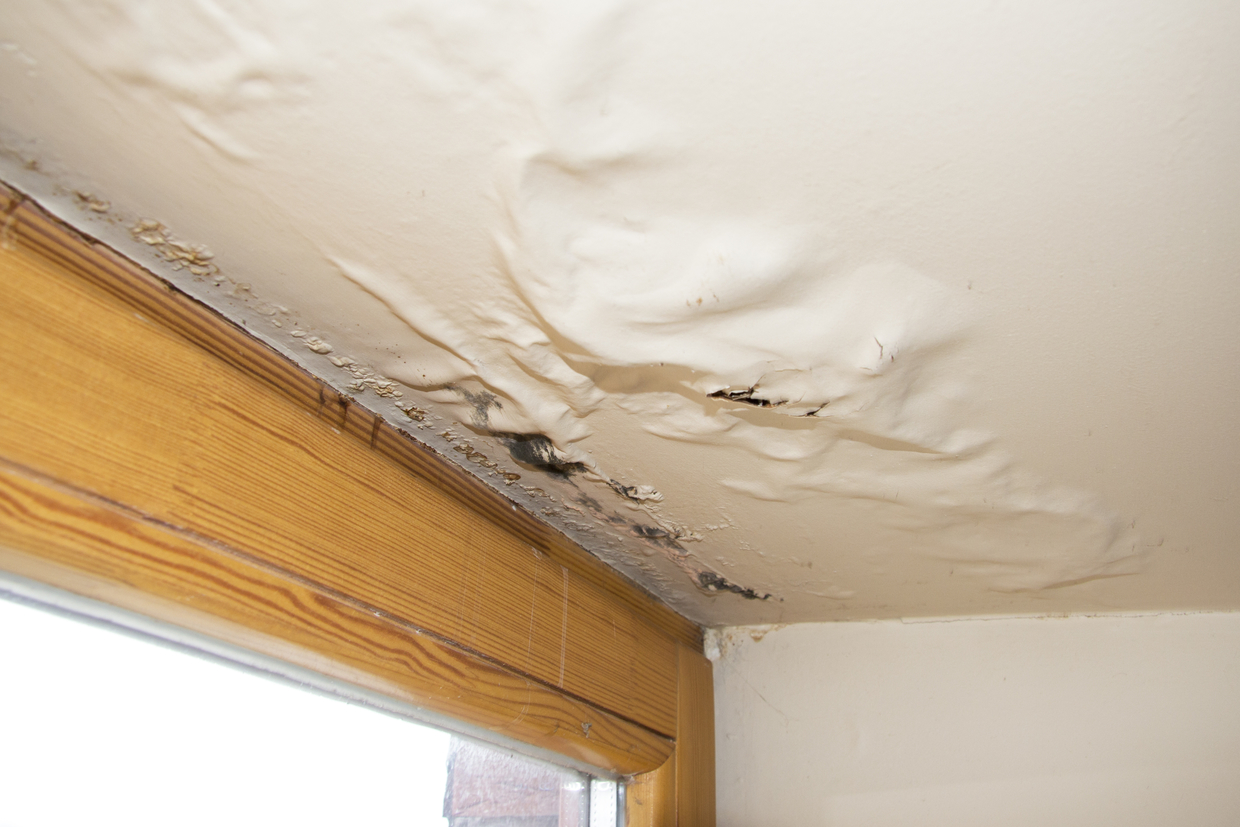
Why Thermal Imaging Inspections Become Necessary in Cocoa Following Hurricane Damage
When a hurricane moves through Cocoa, the obvious damage usually gets immediate attention — missing shingles, broken fencing, debris in the yard.
But the real concern often isn’t what you can see.
It’s what you can’t.
Hurricanes bring intense wind-driven rain, rapid pressure changes, prolonged saturation, and extreme humidity. Even if your roof looks intact from the ground, moisture may have entered attic spaces, wall cavities, or beneath flooring.
That’s why thermal imaging inspections become necessary after hurricane damage in Cocoa. They help identify hidden moisture before it turns into mold growth, structural deterioration, or recurring interior damage.
How Hurricanes Impact Cocoa Homes
Cocoa’s coastal location means hurricanes don’t just bring heavy rainfall — they bring directional rain.
Wind forces water sideways under:
- Roof shingles
- Flashing seams
- Soffits and fascia
- Window frames
- Sliding door tracks
- Exterior wall penetrations
Water doesn’t always pour in dramatically. Often, it seeps in gradually and spreads along structural framing.
Once inside, it can:
- Soak attic insulation
- Travel down rafters
- Saturate ceiling drywall
- Enter wall cavities
- Collect at slab edges
And because Cocoa’s humidity remains elevated after storms, drying slows significantly.
Why Visible Damage Tells Only Part of the Story
After a hurricane, homeowners often check:
- Ceiling stains
- Dripping water
- Warped flooring
- Missing shingles
But moisture doesn’t always show itself right away.
A small stain might represent:
- Several square feet of wet insulation
- Damp roof decking
- Moist structural framing
- Hidden wall cavity saturation
Without proper inspection, moisture can remain trapped for weeks.
That’s where thermal imaging becomes critical.
What Thermal Imaging Inspections Actually Do
Thermal imaging cameras detect temperature variations across surfaces.
Moisture affects how materials absorb and release heat. Damp areas typically appear as temperature differences compared to dry materials.
In Cocoa homes following hurricane damage, thermal imaging helps identify:
- Hidden moisture behind drywall
- Damp attic insulation
- Wet roof decking
- Wall cavity saturation
- Subfloor moisture beneath flooring
- Slab perimeter dampness
Most importantly, it does this without cutting into walls unnecessarily.
Why Hurricanes Create Unique Moisture Patterns
Hurricane-related moisture behaves differently than typical rain.
Wind-Driven Intrusion
Water travels horizontally, not just downward.
Repeated Exposure
Storm bands may soak a home multiple times over hours.
Pressure Changes
Negative pressure can pull water into small gaps.
Prolonged Humidity
Even after rainfall ends, Cocoa’s air remains saturated.
These factors make hidden moisture far more likely.
The Financial Impact of Delayed Detection
Waiting for visible signs can dramatically increase repair costs.
Early Thermal Detection
- Targeted drying
- Limited material removal
- Reduced mold risk
- Shorter repair timeline
Delayed Discovery
- Mold remediation
- Ceiling and drywall replacement
- Structural framing repair
- Subfloor replacement
- Extended drying and containment
In Florida’s climate, moisture spreads quickly once it enters structural materials.
Thermal imaging helps limit the scope.
Areas Most Commonly Affected After Hurricanes
In Cocoa homes, inspections frequently reveal moisture in:
Attic Spaces
Wind-driven rain enters through ridge vents or flashing.
Roof Decking
Sheathing absorbs water without visible ceiling stains initially.
Ceiling Cavities
Moisture collects above drywall before dripping.
Exterior Wall Sections
Water infiltrates around windows and doors.
HVAC Ductwork
Attic moisture affects duct insulation.
Slab Edges
Water travels downward and settles at foundation perimeters.
Without thermal imaging, these areas often remain damp long after roof repairs are complete.
How Professionals Conduct Post-Hurricane Thermal Inspections
A proper inspection typically includes:
1. Interior Climate Assessment
Ensuring accurate temperature differentials.
2. Systematic Scanning
Ceilings, walls, floors, and attic access points.
3. Moisture Meter Verification
Confirming thermal anomalies represent actual dampness.
4. Attic Inspection
Checking insulation and decking condition.
5. Documentation
Mapping affected areas for drying or remediation.
Companies like Inspections and More FL combine thermal imaging with moisture verification tools to prevent misinterpretation.
Not every temperature difference is moisture — and experience matters.
Preventing Mold Growth After Hurricanes
Mold can begin developing within 24–48 hours in Florida’s warm environment.
Early detection allows professionals to:
- Initiate structural drying
- Remove saturated insulation
- Stabilize indoor humidity
- Prevent spore spread
In Cocoa’s coastal climate, the combination of warmth and humidity accelerates mold growth.
Thermal imaging provides a window of opportunity before contamination spreads.
Why Roof Repairs Alone Aren’t Enough
Replacing shingles or resealing flashing does not confirm the structure beneath is dry.
Moisture may remain inside:
- Rafters
- Insulation
- Ceiling cavities
- Wall framing
Without inspection, homeowners may assume the issue is resolved — only to face mold or ceiling damage weeks later.
Thermal imaging confirms whether drying is complete.
Long-Term Protection in Cocoa’s Coastal Climate
Cocoa homes face ongoing storm exposure year after year.
Scheduling a thermal imaging inspection after hurricane activity helps:
- Protect structural framing
- Preserve insulation integrity
- Prevent indoor air quality issues
- Avoid recurring ceiling stains
- Reduce long-term repair costs
Homes in Palm Bay, Merritt Island, Melbourne, and Sanford experience similar storm exposure, but Cocoa’s coastal position increases vulnerability to wind-driven intrusion.
Why Local Experience Matters
Interpreting thermal images in Florida requires understanding:
- Coastal wind patterns
- Humidity retention behavior
- Slab foundation moisture migration
- Common hurricane intrusion points
- Attic ventilation limitations
Inspections and More FL applies regional experience when evaluating post-hurricane moisture conditions, ensuring accurate diagnosis without unnecessary demolition.
That local knowledge protects both structure and budget.
Acting Before Hidden Moisture Causes Damage
Hurricanes leave visible damage — but hidden moisture causes the long-term problems.
Thermal imaging inspections after hurricane damage in Cocoa help:
- Identify hidden dampness
- Initiate timely drying
- Prevent mold growth
- Protect structural integrity
- Reduce repair costs
In Florida’s storm-prone climate, early detection isn’t optional — it’s protective.
Addressing hidden moisture quickly is one of the most effective ways to safeguard your home after hurricane exposure.